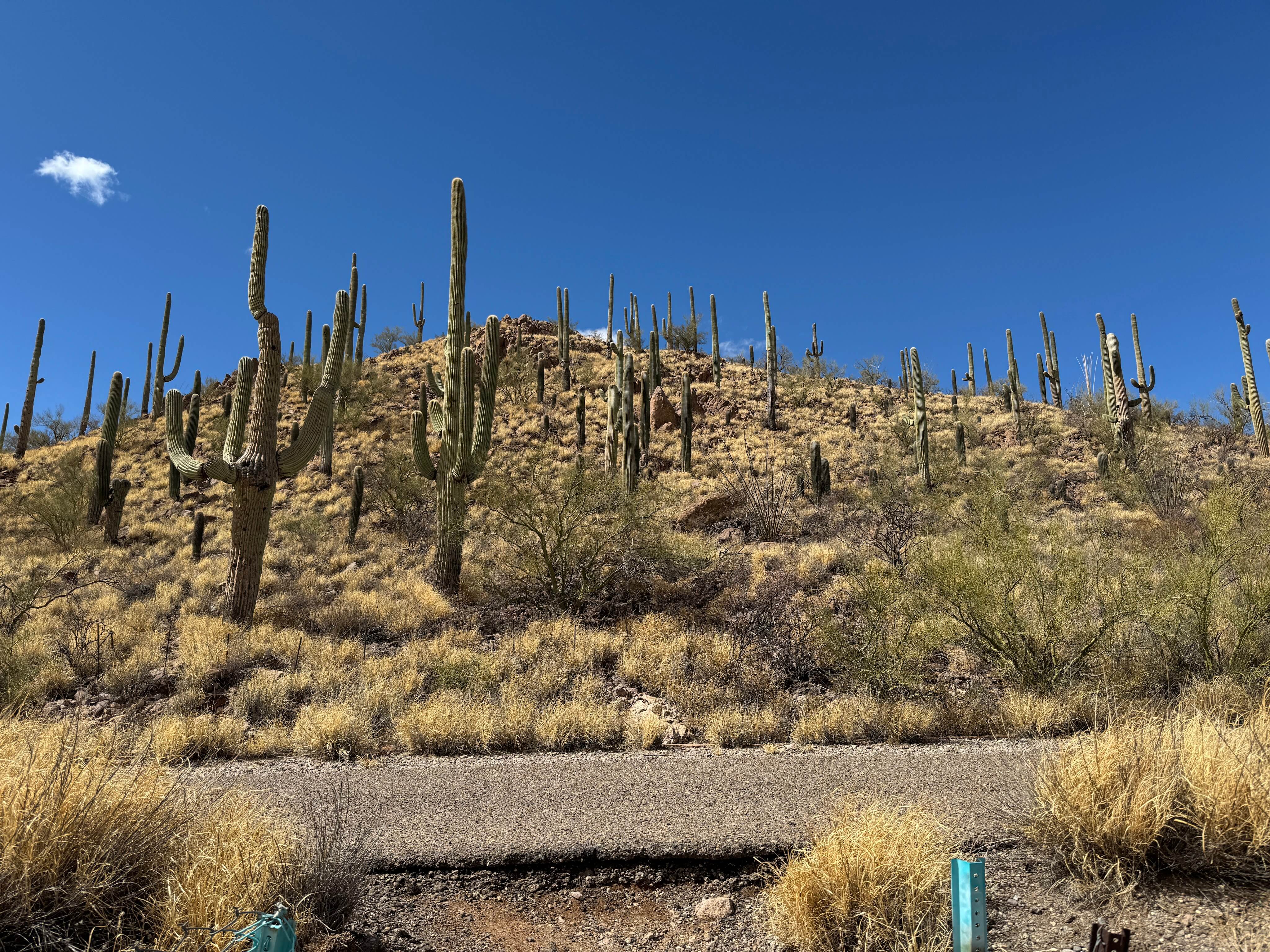
As I reflect on my nearly forty years in America, traveling across the country on vacation and business, I am always amazed by the diversity in this country in almost every aspect. The vegetation, the type of housing, the accents, the people, everything a kaleidoscope of enjoyable and admirable variety. Then too with added trips to Canada and Mexico making this continent a feast to enjoy with its never-ending assortment. In addition to trips to Eastern Europe, Western Europe, India, and South and Southern Africa, all fascinating opportunities to learn about our varied and interesting humanity.
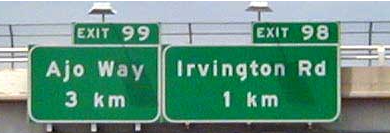
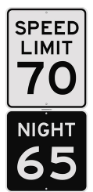
There is another aspect of driving in the Tucson area that surprised me. The road traffic in the city areas is heavy, especially at going home time after work. You find yourself sitting in long commuting lines facing a red traffic light for extended periods, where only a few vehicles can pass through the green light at a time, and you come to a screeching halt at the next nearby red traffic light. I clearly understand the frustration of motorists who then ignore the speed limits and drive like crazy trying to get to their destination.
A distressing aspect of traveling anywhere in this country is seeing the squalor that some people live in. Often in out-of-the-way places, in homes that look derelict, with old vehicles and other junk in their yards. Then too how some people will build magnificent homes with no neighbors for miles in the middle of nowhere, often on a hilltop with a magnificent view. I am puzzled to know where and how they get utilities such as electrical power, water, and sewage services. People living off the grid is an interesting phenomenon.

While walking around a new subdivision in Tucson with 50 or 60 homes and apartments, I was interested to see the absence of onsite postal delivery. The solution was a central structure of mailboxes where homeowners could collect their mail, making it easier for the postal delivery driver to have a single stop to distribute mail. An interesting time-saving feature for the United States Postal Service, and a new responsibility for homeowners.
In doing additional reflection, I was thinking about how technology has improved our lives. I started a business over three decades ago. I traveled extensively in the Mid-West, and to other cities around America. I was an enthusiastic member of AAA (Automobile Association of America) and would visit frequently to request strip maps of the cities I was traveling to. The night before setting out to visit a client, I would painstakingly write instructions on how to drive to get to my destination. On this visit to Tucson, after collecting our rental car from Avis, I connected my iPhone to the vehicle, typed in my location, and was ready to go. All I had to do was wait for the lady to tell me to “proceed to the route,” “go through the next light and turn right,” and “your destination is on the left.” What a blessing.
After arriving in America, in early January 1987 I had to drive to the office. I had careful notes to guide me on how to drive and where to turn. The only problem was that it snowed the night before, and all the road signs were covered in snow!
After arriving home, I read on Facebook about an active South African group in Tucson. If only I learned about it before our trip, I might have met other like-minded immigrants.
Wednesday, February 26, 2025
I set my alarm to wake up at 3:00 am to shower and pack the last few items. I beat the alarm and started my morning at 2:30 am to see the alarming news on my phone that we had freezing rain in the area. Checking outside did not verify that fact. Our neighbor, Karen Lindemann volunteered to take us to the airport in Milwaukee, starting the commute at 4:00 am. Not too many people would wake up at that time to help a neighbor. Karen requested that I drive her vehicle, and I can verify the absence of freezing rain, but experienced a very light drizzle.
We had a choice of taking an Uber or driving to the airport and parking in long-term parking, but our concern is that our vehicle may be vandalized. That plus the expense of Uber or parking for a fortnight. We arrived at the airport bright and early and were surprised to see how very busy it was. We have a short flight to the twin cities of Minneapolis and St. Paul, Minnesota, and a three-hour wait for our connecting flight. Our initial breakfast treat was a latte from Starbucks at Milwaukee International Airport. A full breakfast satisfied us in Minneapolis.
Our flight to the Twin Cities was on an Airbus A319, although when we made our reservation Delta stated it would be a Boeing 737-900. Our pilot warned us that it would be a choppy flight. It turned out to be a turbulent free flight, other than when we came into land. We had an egg and bacon sandwich at Shake Shack in Minneapolis airport. The challenge now is how to spend the next three hours waiting to get our connecting flight.
For our second leg, we departed for Tucson, Arizona on an Airbus A319 at 11:05 am and again another very full flight. One blessing at Minneapolis airport was spending time in Terminal 1 where everything is new, clean, and fresh. Strange as it might seem, I must call out the fantastic toilets. They have a large food court area with a wide range of restaurants to satisfy every palette. Later we moved to the old concourse where our flight departed, and this section was under significant renovation.
Can you please explain to me why some people select a window seat on a flight to travel to their destination and their first act is to close the blind on the window? I normally select an aisle seat so that if I need to use the bathroom, I can get easy access. But I also like to see out, especially on takeoff and landing.
Arriving in Tucson was a delight to enjoy the warm weather. Ken and Jennifer Brink had arrived at the airport an hour before us. Together we collected our rental car at Avis. To be honest, we reserved a Toyota RAV4, but we ended up in a small Dodge Hornet, Cross Over Utility vehicle, a hybrid that required getting used to the different technology, that could hardly accommodate the four of us plus our luggage. My first action was to attach my iPhone to the vehicle so that we could use the GPS feature and find our way around. To be extra careful and record some of the lovely scenery in the area I hooked up my dash cam unit.
We decided that given the option to purchase a Dodge Hornet, we would vote against it. Our problem is the vehicle has very wide pillars on the front left and right of the driver and passenger side, restricting your view. The reality is that I drive a Subaru Forester and the visibility for the driver and passengers is significantly better. As I later learned, sitting in the back seat, visibility is hindered with the large headrest in front of you, and there is no grab handle to hang on to with another driver at the wheel.
We were too early to check in to our Airbnb, so we shopped at Costco, our nationwide wholesale club, to purchase provisions for the next several days. To my surprise, I could not believe the number of Hispanics we saw in the store. But if you consider that we are a few miles from the Mexican border, it should not have been unexpected. My observation is that there is a remarkedly different cultural mix of society compared to the Milwaukee area. A further observation is that Costco carries a different selection of merchandise, naturally catering to the local population group compared to our preferences in Wisconsin. An interesting change. My other observation is the dress of the locals, you could swear it was summer with many wearing shorts.
The vegetation was bleak, and naturally we are still in our winter months, even if the weather is significantly warmer in Tucson compared to Wisconsin, plus the fact that the terrain comprises desert vegetation. Having had a very long day, and recall that I was up at 2:30 am, or 1:30 am Arizona time, so by 9:00 pm local time we were ready for bed.
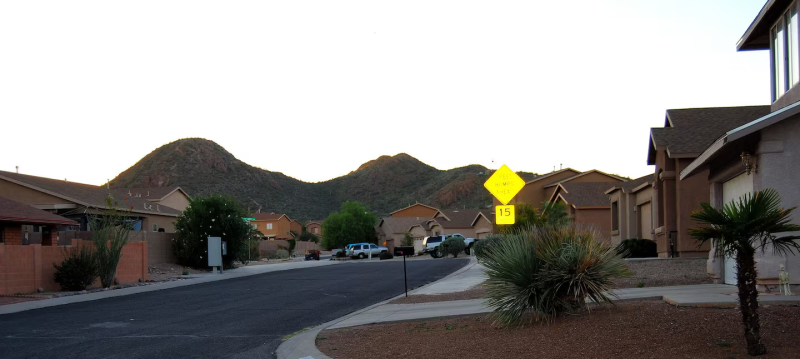
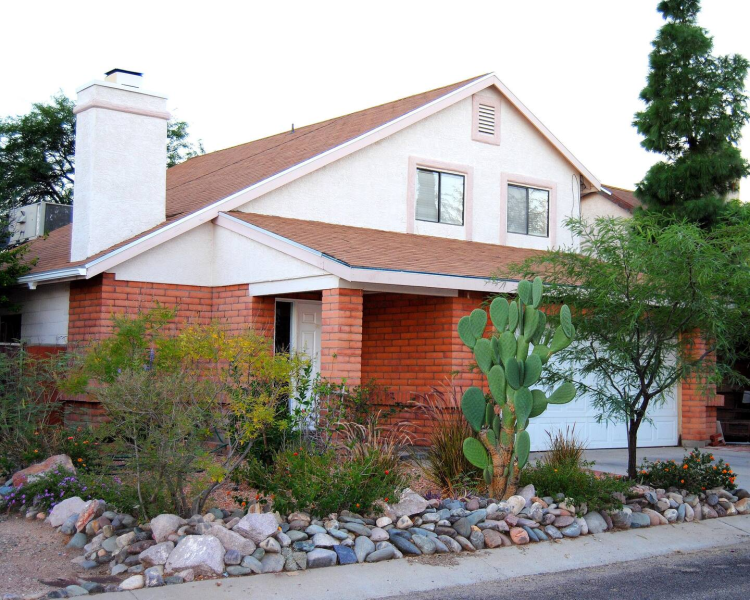
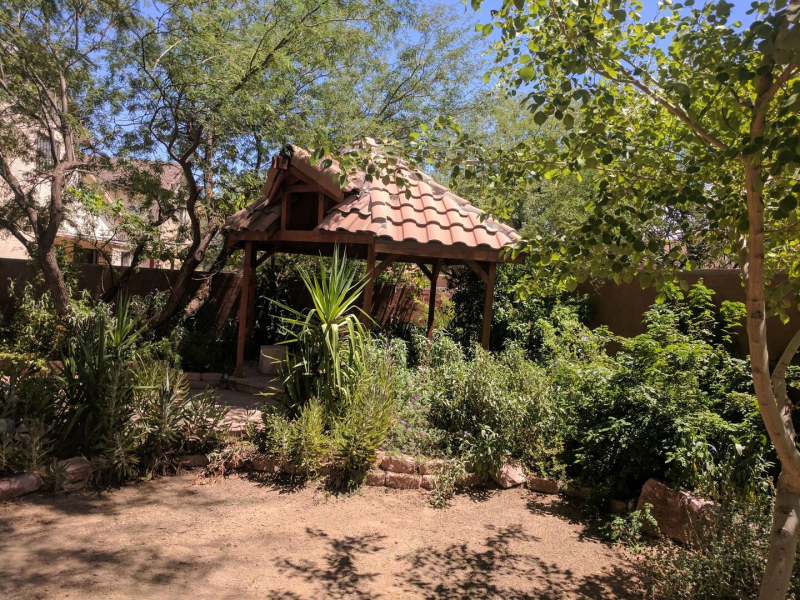
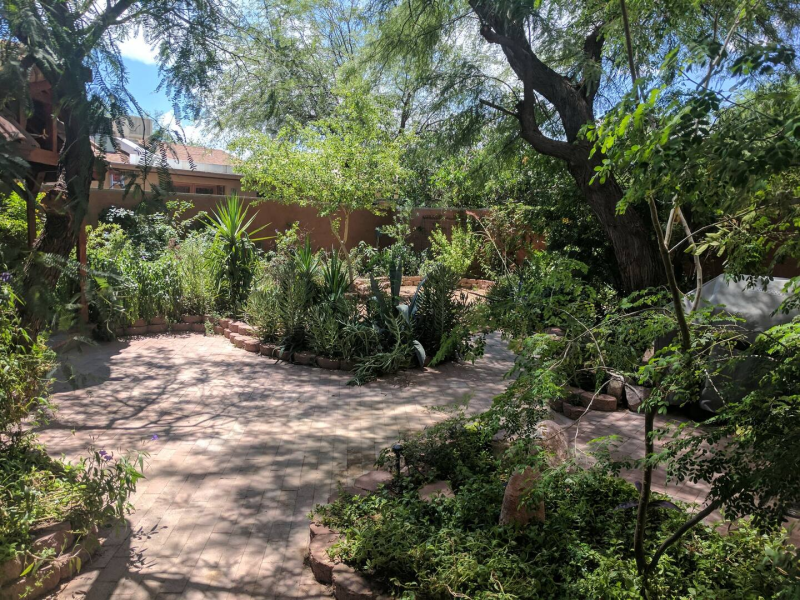
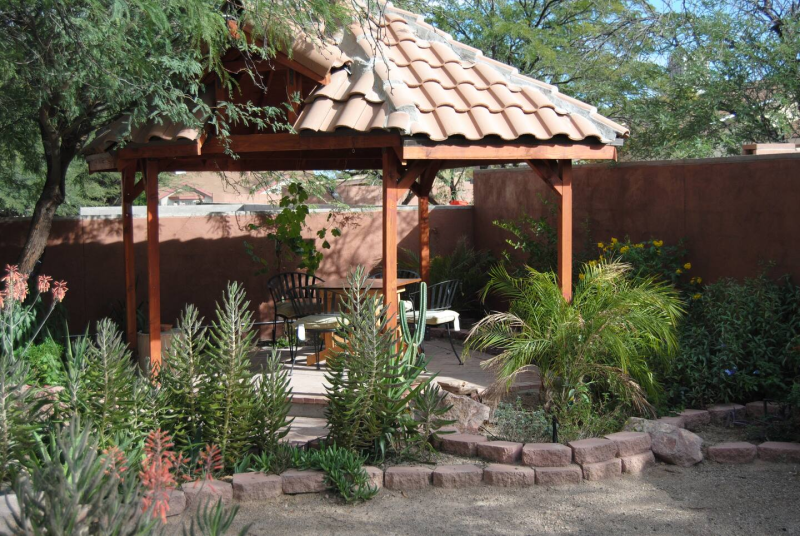
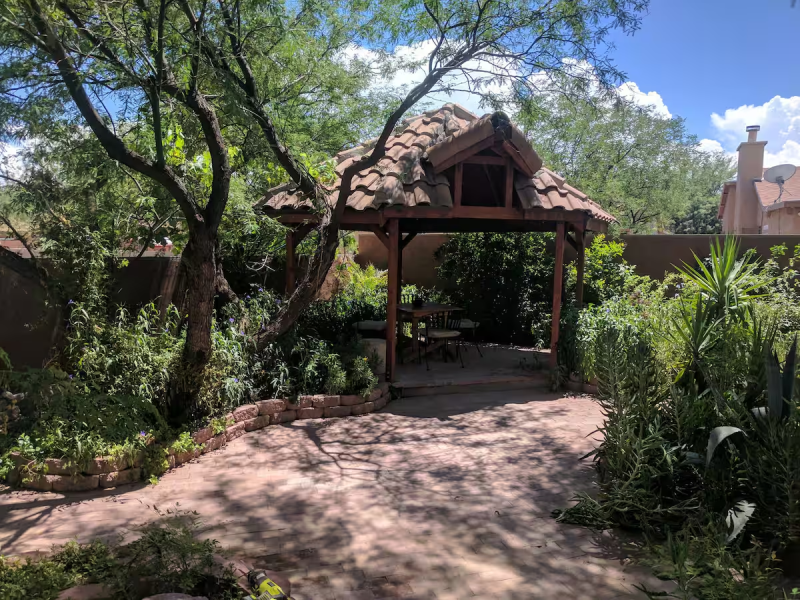
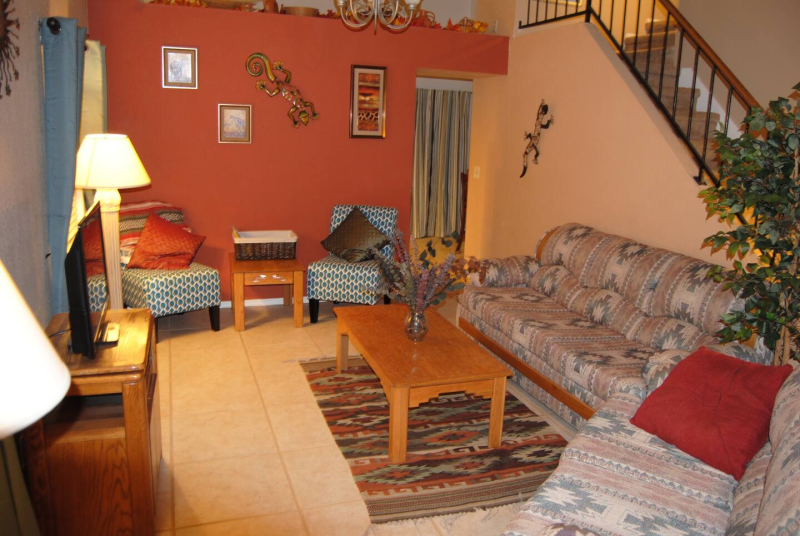
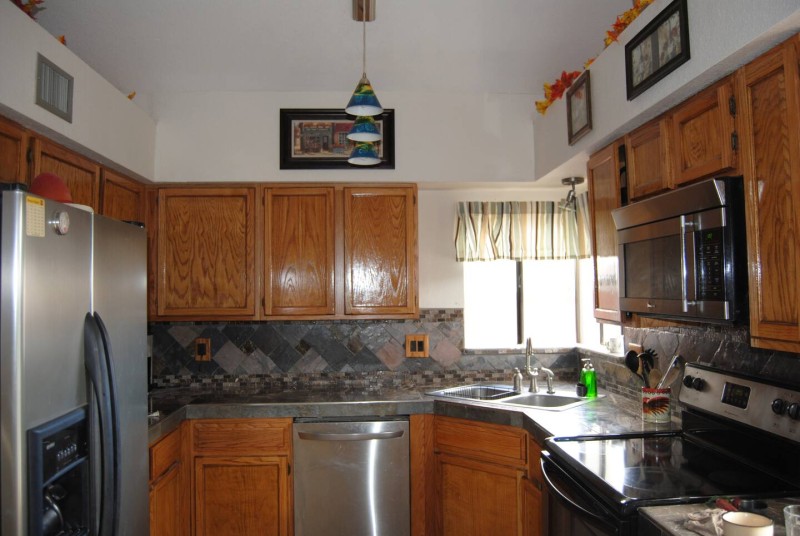
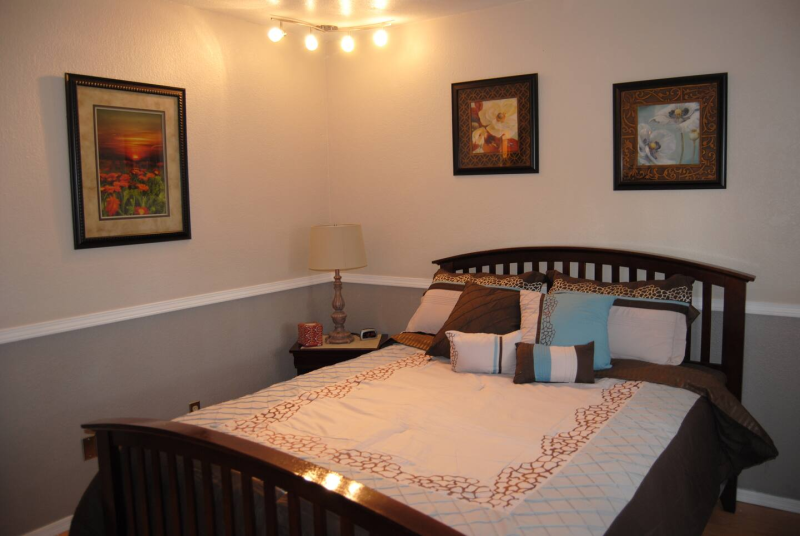


After we looked around the community, we concluded that this Airbnb is in a working-class community. Additional Airbnb’s are available at a much higher price in the more affluent areas. The benefit of where our Airbnb is located is it is very convenient for the many desired attractions.
Thursday, February 27, 2025
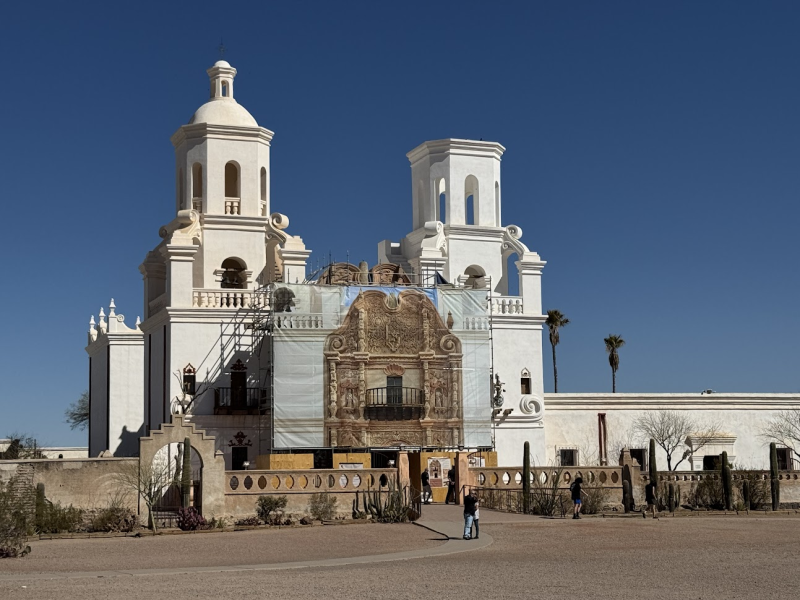
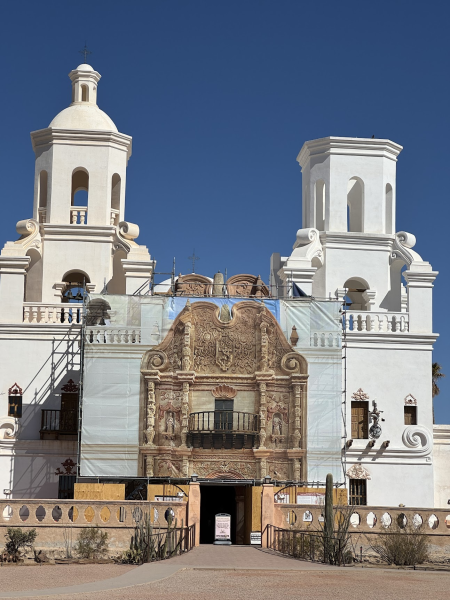
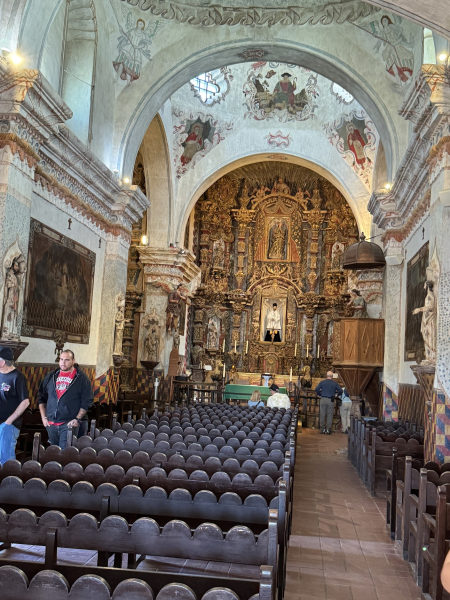
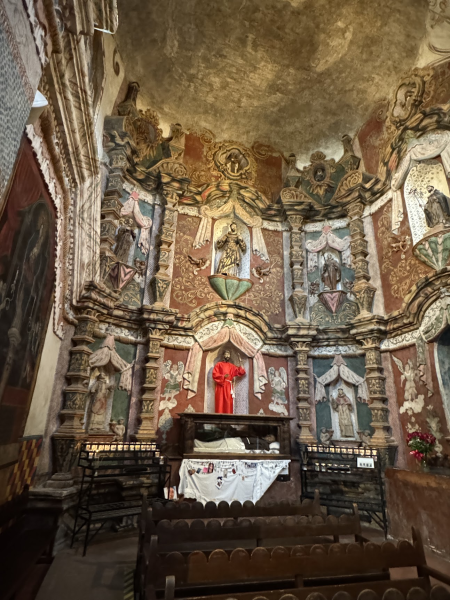
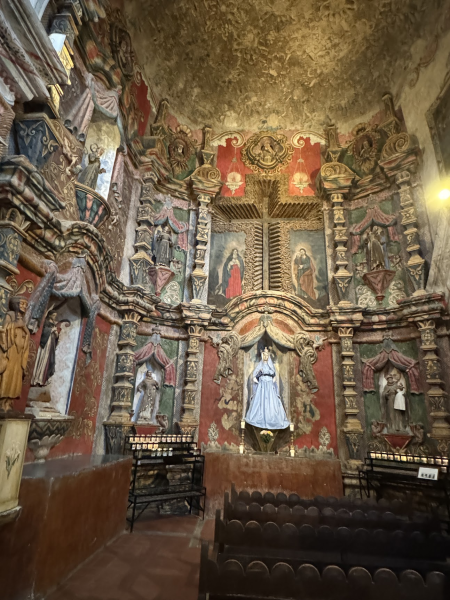
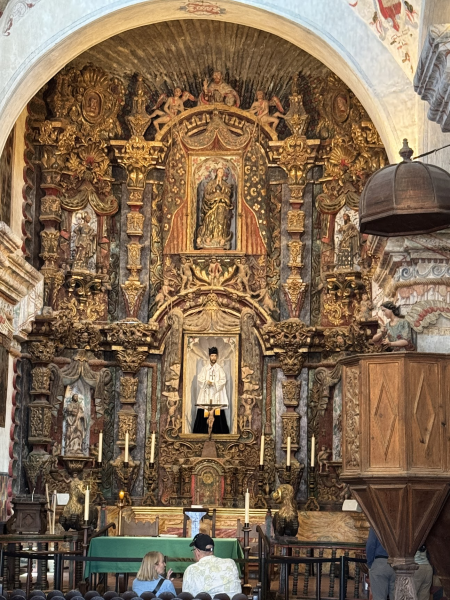
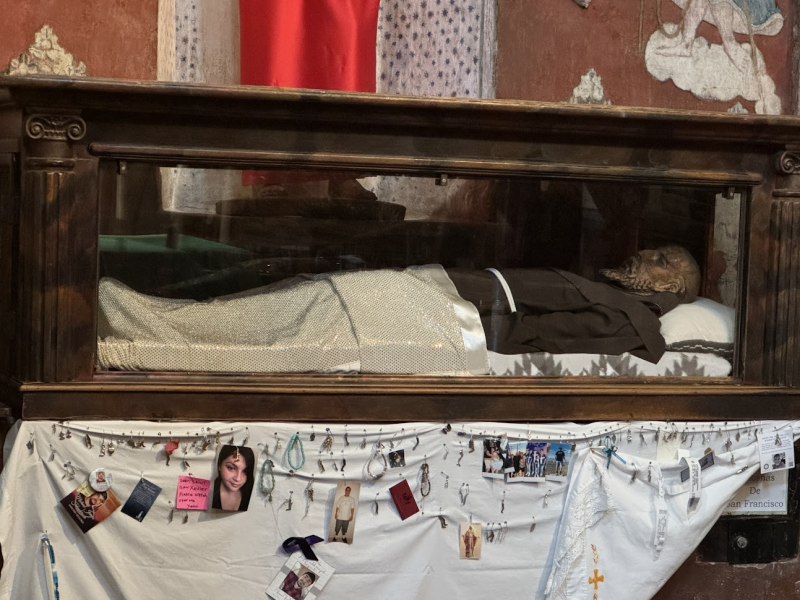
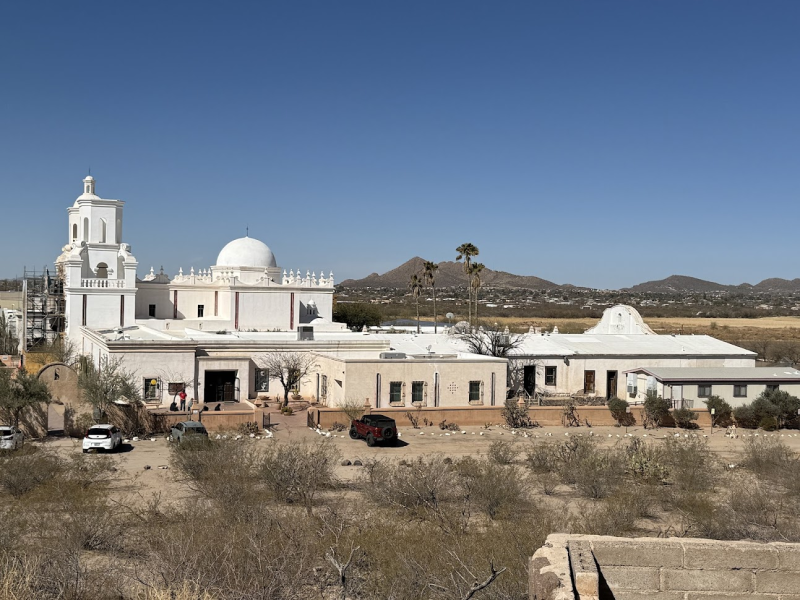
We went on a 45-minute tour presented by Tom Christiansen, a member of Patronato San Xavier, an organization dedicated to conserving this national treasure.
Today we needed to shop again at Costco, followed by stopping at Safeway where we could purchase smaller quantities. At Costco, if you need Kleenex, you must buy a pack of 24, whereas at Safeway we can buy one or two boxes.
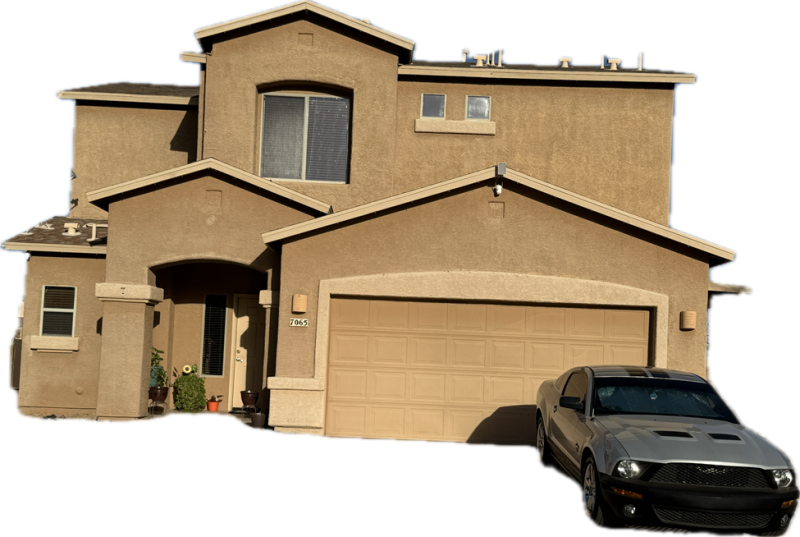
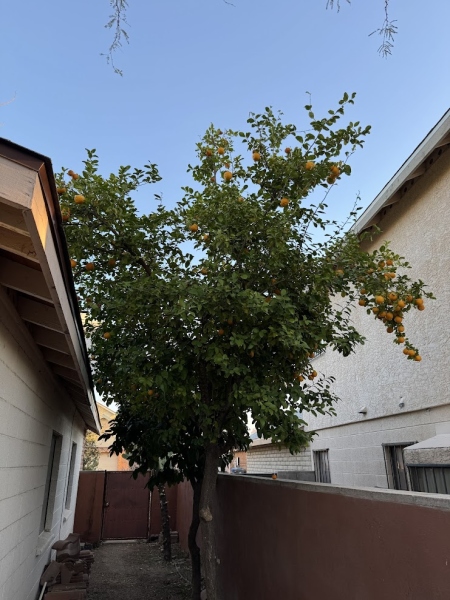
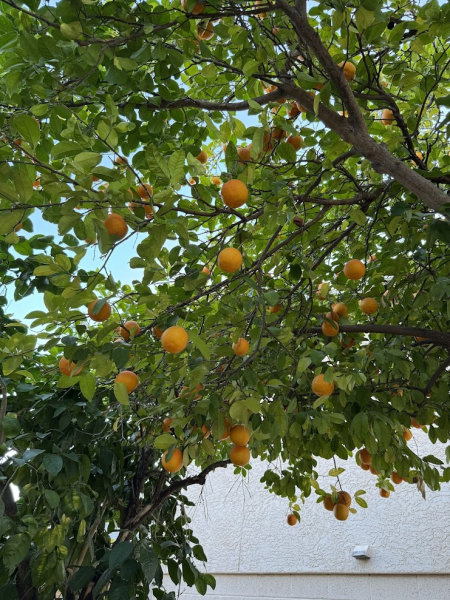
Needing exercise we walked around the neighborhood. The homes are very different from what we are familiar with in Wisconsin. The architecture is different, the colors are also very different from what we are accustomed to. Most of the homes are single-story with flat roofs. Many have air conditioners on the roof, and the majority do not have heating units. These homes represent a foreign country to us. A reason why we travel, to learn about other communities in this vast country.
What I found amazing about driving in this part of the country is that some of the road signs show the distance to turnoffs in meters, whereas the US still operates with imperial measures. Consequently, signs in miles are more common in America. A possible reason may be the many Mexicans who travel these roads and are more familiar with metric measurements.
Tonight, we enjoyed a barbecue, courtesy of Ken Brink’s grilling skills.
Friday, February 28, 2025
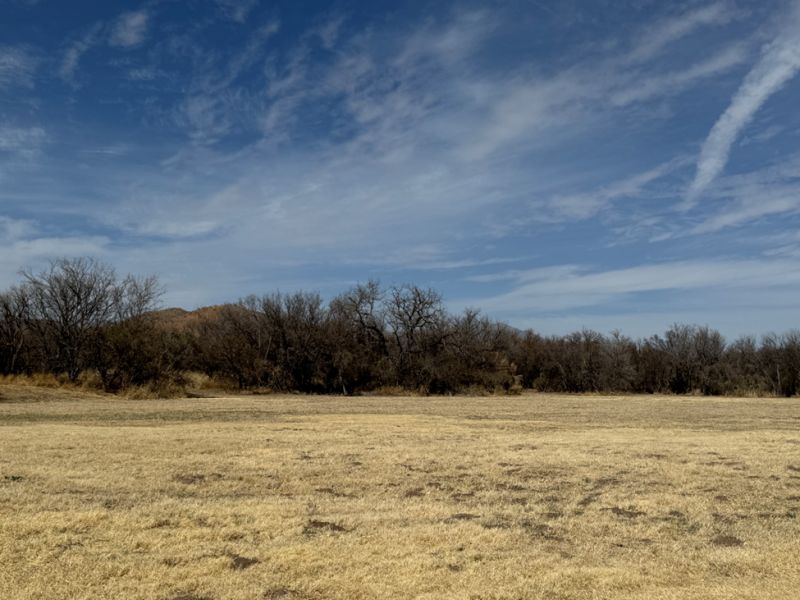
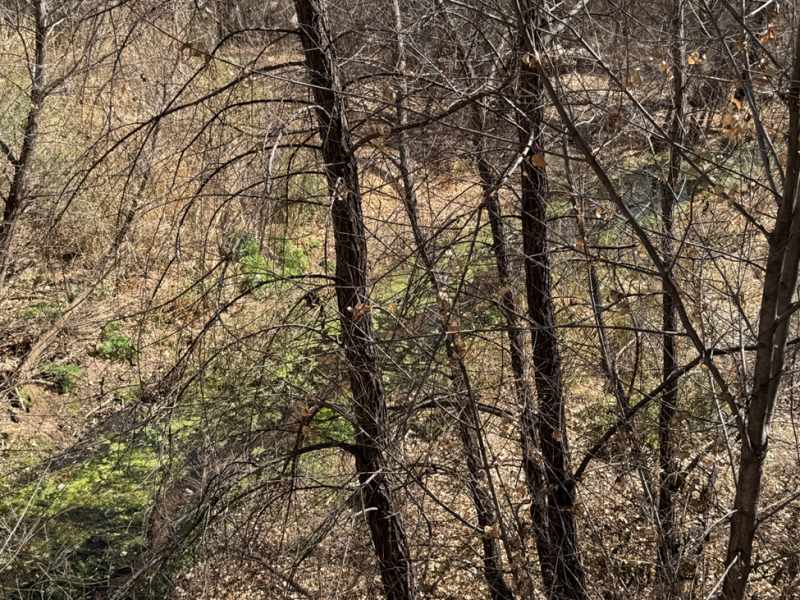
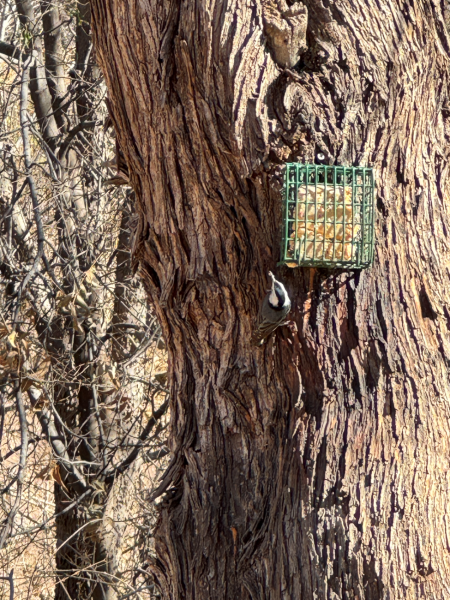
Humans have lived on the land comprising the Patagonia-Sonoita Creek Preserve since 2000 B.C. Early peoples included indigenous population such as the Hohokam and Sobaipuri, who were sustained by Sonoita Creek and its fertile landscape. By the 1700s, Spain had taken over the area, with Jesuits building an overnight house, or Visita. After Mexico’s independence from Spain in 1821, Mexico issued land grants in the region bringing large numbers of livestock into the area. Ranching continued when this land became part of the United States in 1854. In 1822, the Santa Fe Railroad built an 88-mile line that ran along the creek, while livestock and farming continued into the 1900s. In 1966, The Nature Conservancy bought 309 acres along the creek creating the Patagonia-Sonoita Creek Preserve – the first Nature Conservancy Preserve in Arizona.

We enjoyed walking the trails and seeing the beauty of the area. We were fortunate to see a White-nosed coati, albeit from a distance. The White-nosed coati combines the tail of a monkey, the snout of an anteater, and the body of a tall raccoon. It is the Southwest’s most interesting and hard-to-spot animals. They forage for food during the day instead of at night. Females and young coatis form groups of 4 to 30. Males are solitary until the breeding season when they will breed with all willing females. They are omnivores, eating fruit, insects, grubs, small rodents, lizards, and birds. They have a great sense of smell and use their snouts and strong paws to dig up food.
Other than that, we enjoyed seeing many birds along the trails.
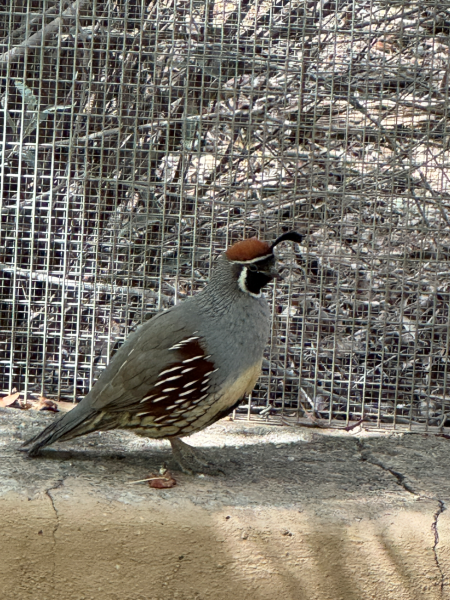
Patagonia had a population of 789 in 2023. We enjoyed lunch at Gathering Grounds before heading to the Paton Center for Hummingbirds, an Audubon Society facility. Some of the more common birds in the area include Violet-crowned Hummingbird, Broad-billed Hummingbird, Black-chinned Hummingbird, Anna’s Hummingbird, Gambel’s Quail, Gila Woodpecker, Black-headed Grosbeak, Yellow-breasted Chat, Summer Tanager, Phainopepla, Albert’s Towhee, Lesser Goldfinch, Blue Grosbeak, Gray Hawk, Cassin’s Kingbird, and Yellow-billed Cuckoo.
The Conservancy has five cameras so that you can observe the birds in real time. Click the link to view: https://tucsonaudubon.org/live-cam/
I learned a significant amount walking these trails. Firstly, there are numerous bird feeders scattered around the property, so getting to view the birds in their natural habitat is a pleasure. For neophytes like me, trying to identify each bird is a challenge. Watching some of the bird enthusiasts is interesting, some with cameras with long telephoto lenses to capture a perfect picture. I can clearly understand why people are so fascinated to learn everything about birds touring the country and world to keep learning more about these magnificent creatures.
All in all, it was a long but very enjoyable, informative, and educational day.
Saturday, March 1, 2025
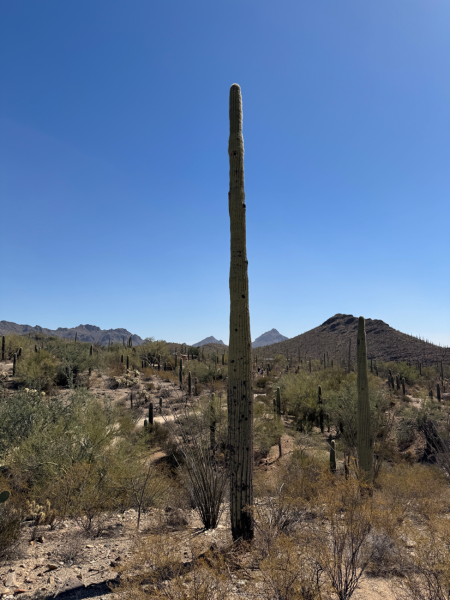
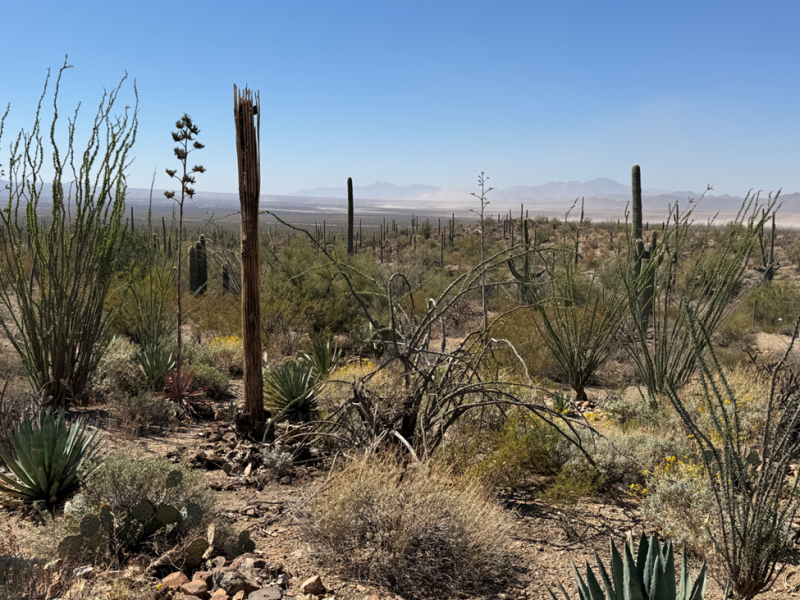
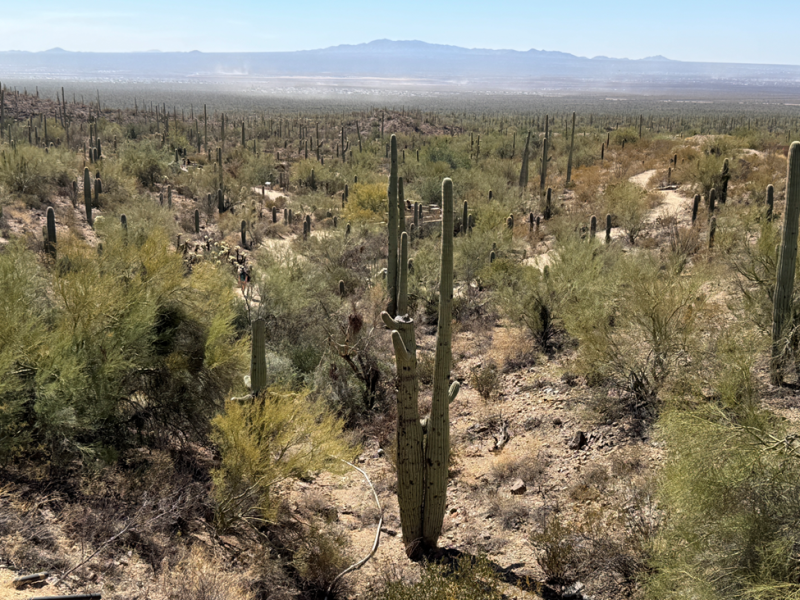
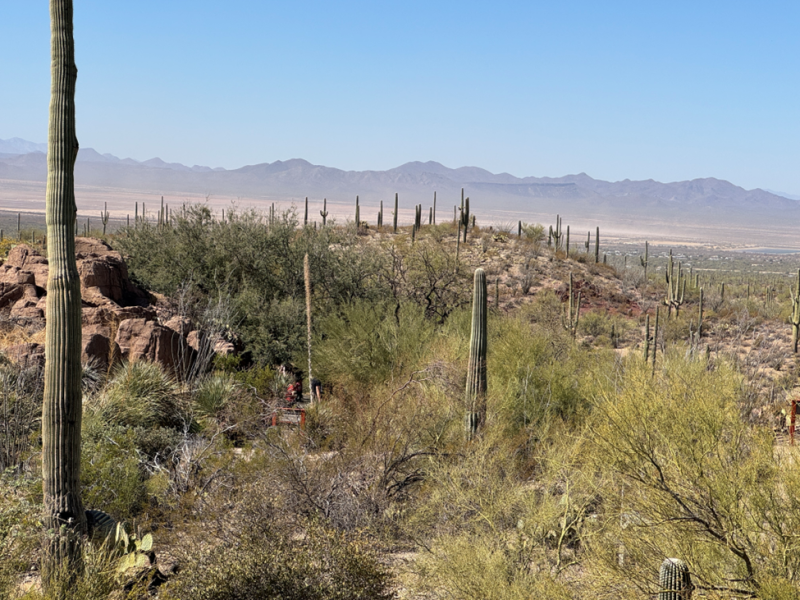
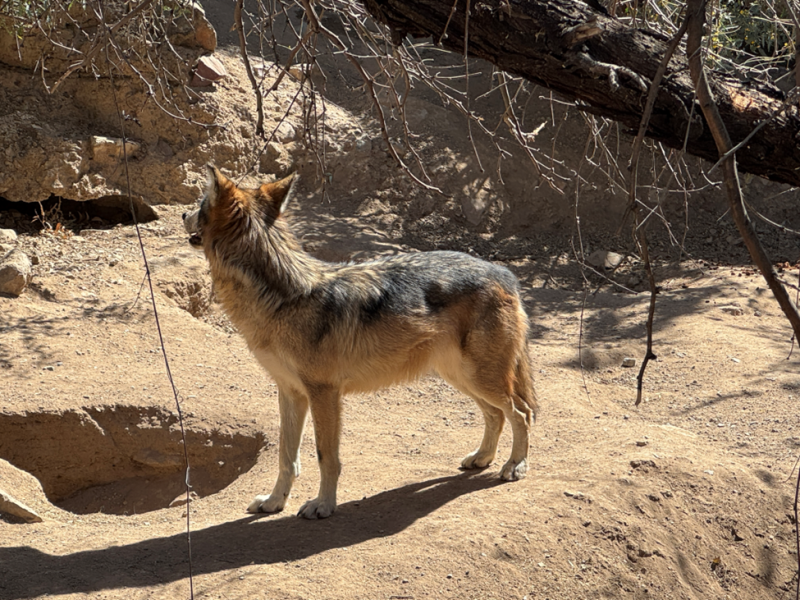
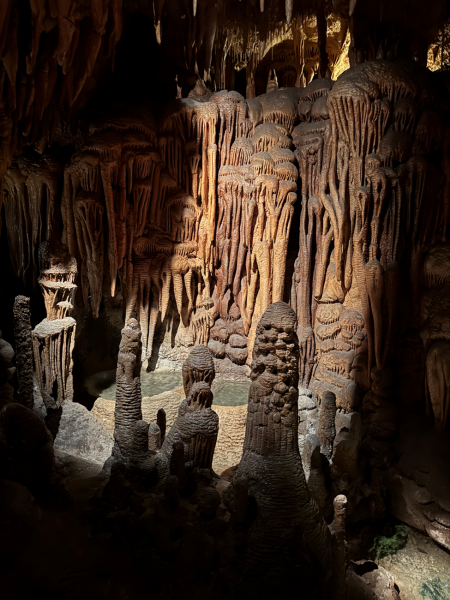
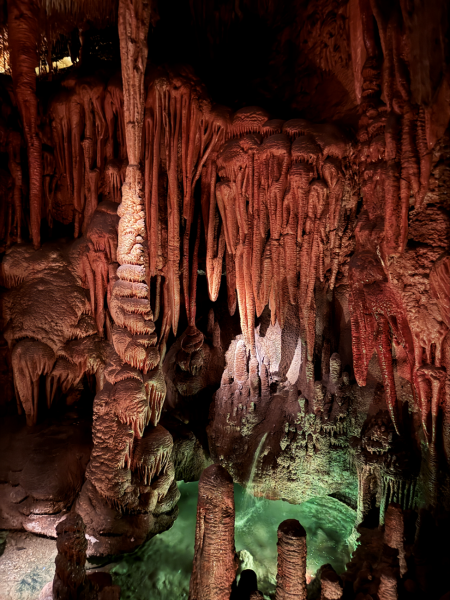
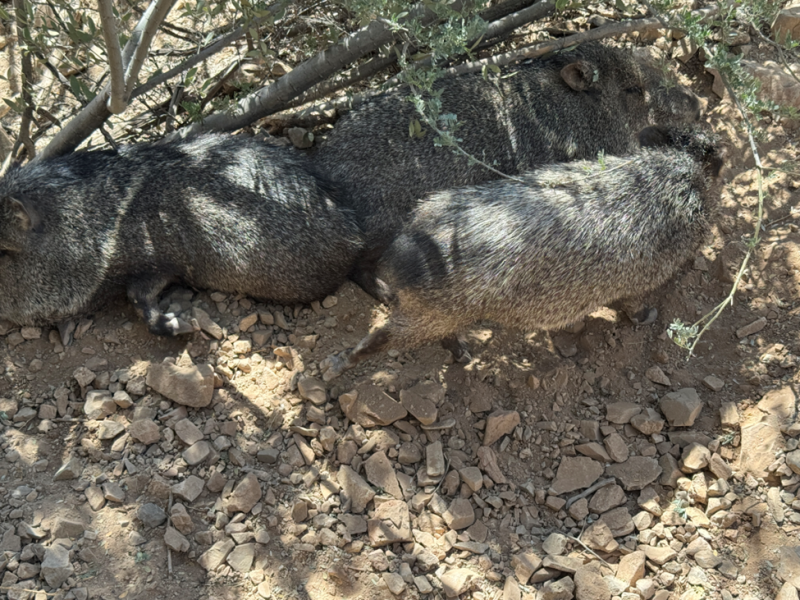
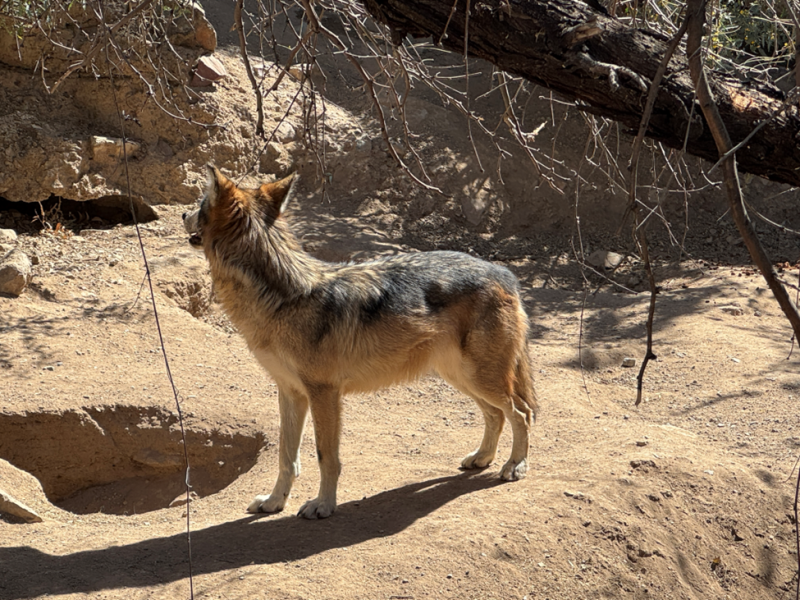
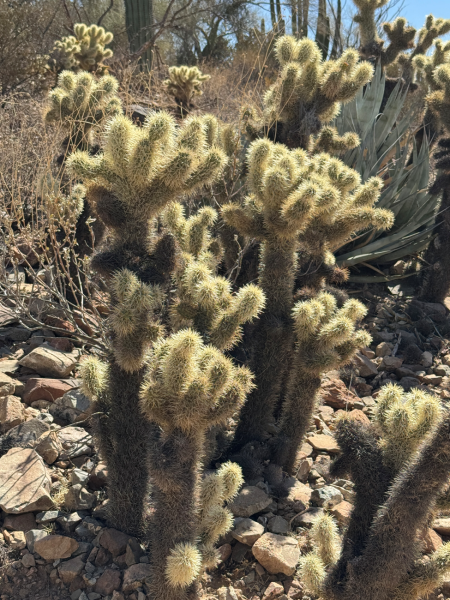
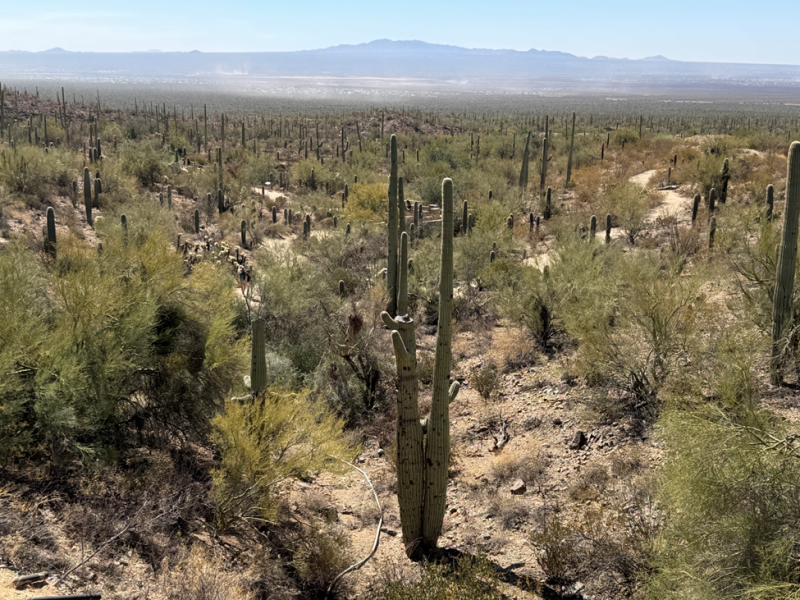
Today, this approach can be most easily understood by noting that the Museum’s living collection contains 4,892 specimens of 242 species. Plants number 56,000 specimens of 1,200 taxa (a scientifically classified group or entity); mineral and fossil collections include 16,853 specimens. Represented in the living collections are 110 to 120 species considered to be of conservation concern.
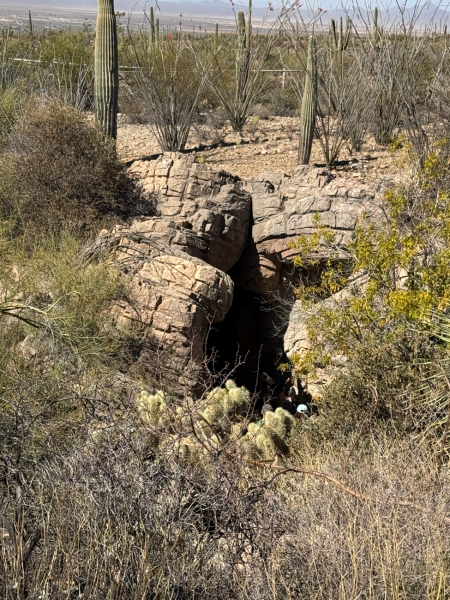
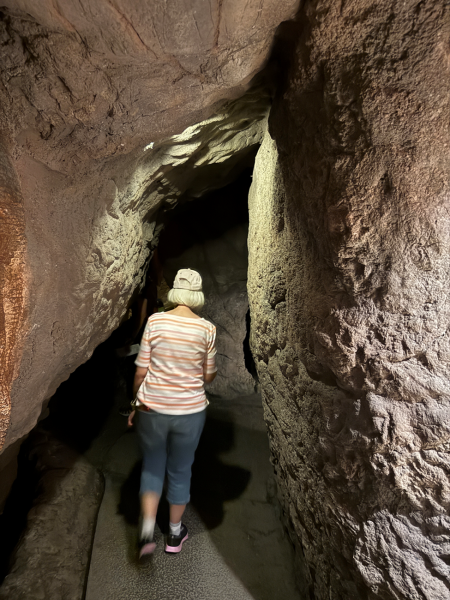
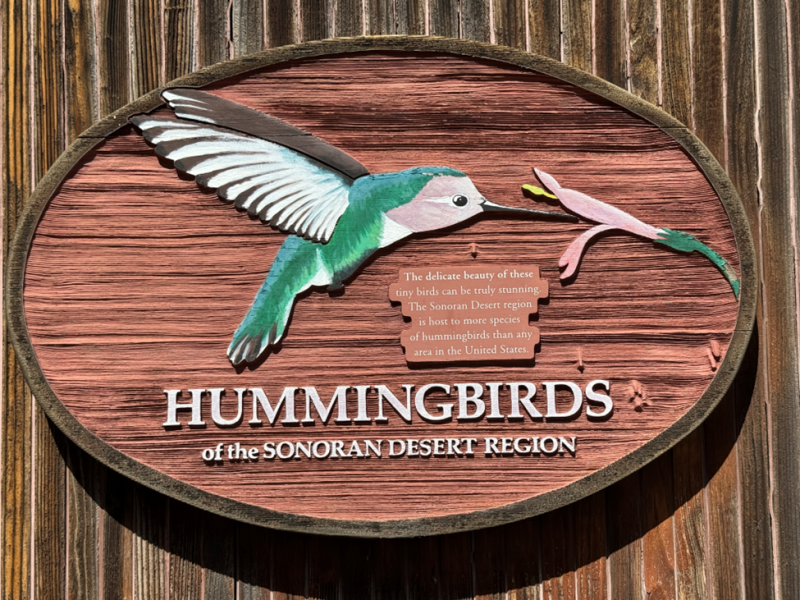
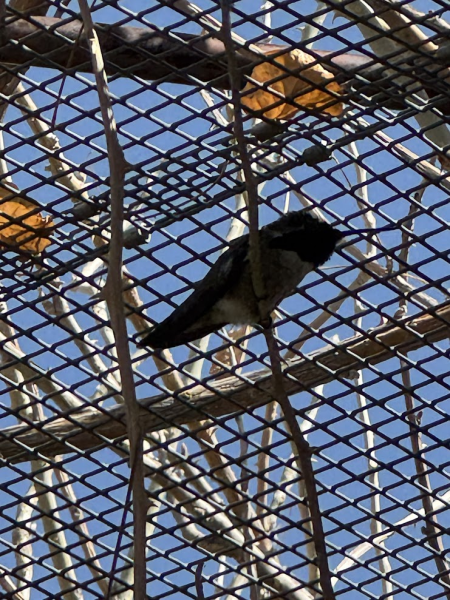
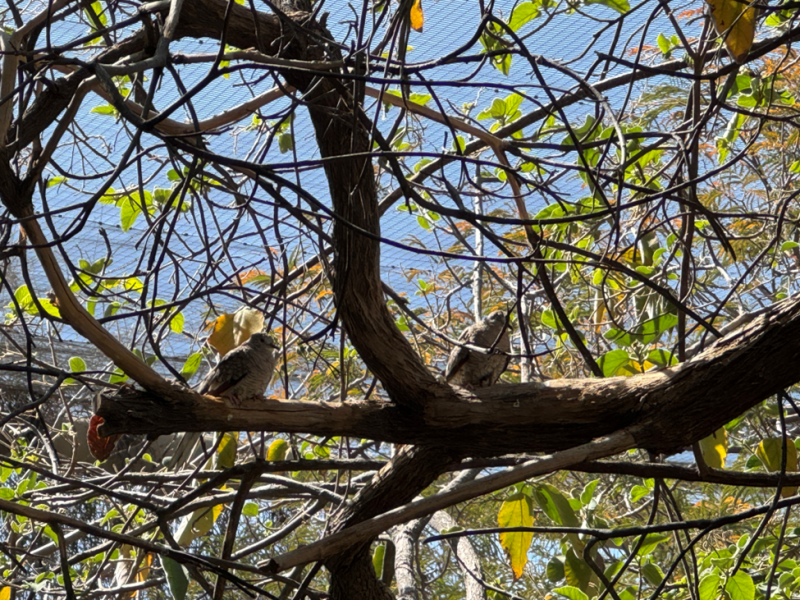
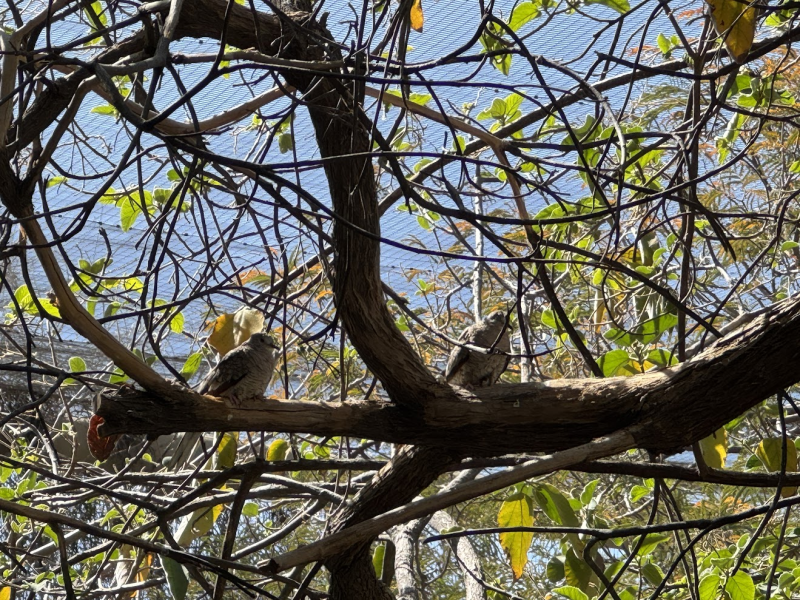
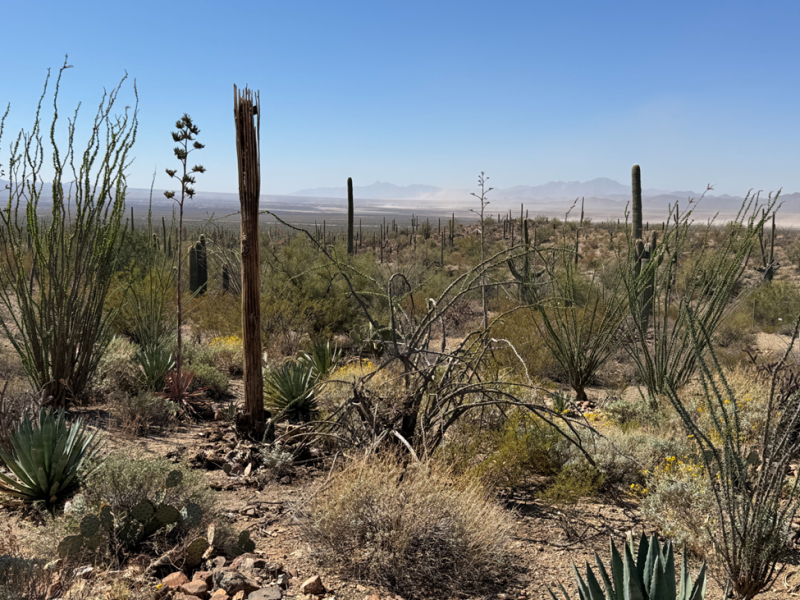
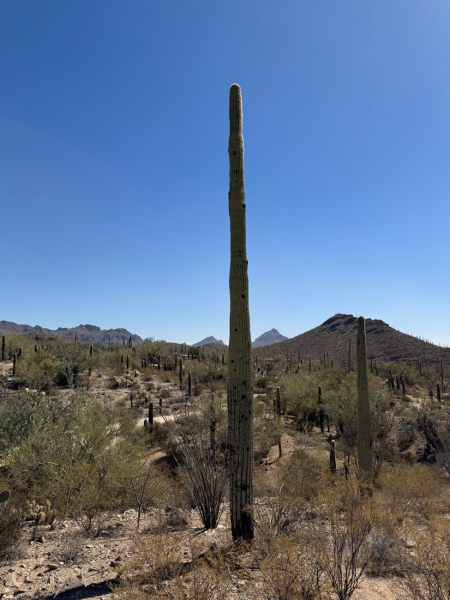
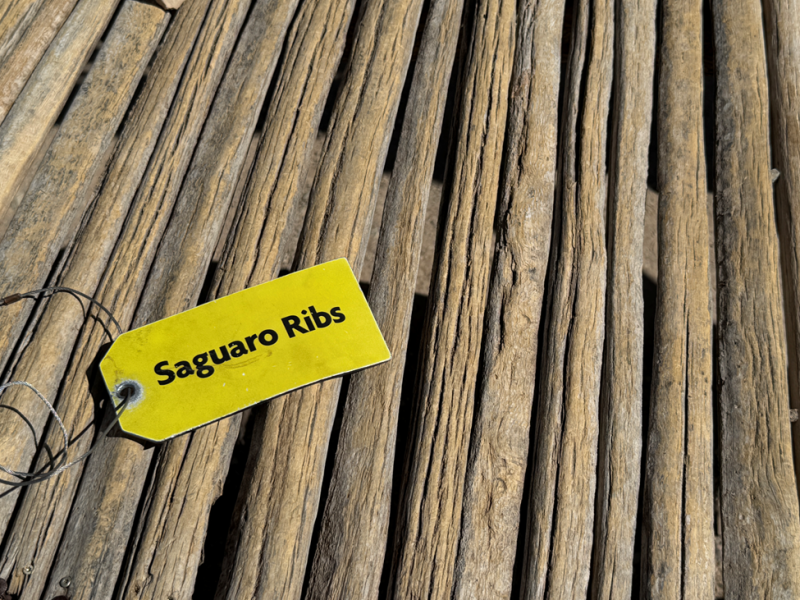
Our visit began by hiking a couple of miles to see the sites including the Earth Sciences Center and Cave to see the origin and foundations of the Sonoran Desert, Desert Loop Trail, Birds of the Sonora Desert (a large free-flight aviary with species local to the region), and the Hummingbird Aviary, to name just a few attractions. The Hohokam were the ancient people of the Sonoran Desert.

Sunday, March 2, 2025
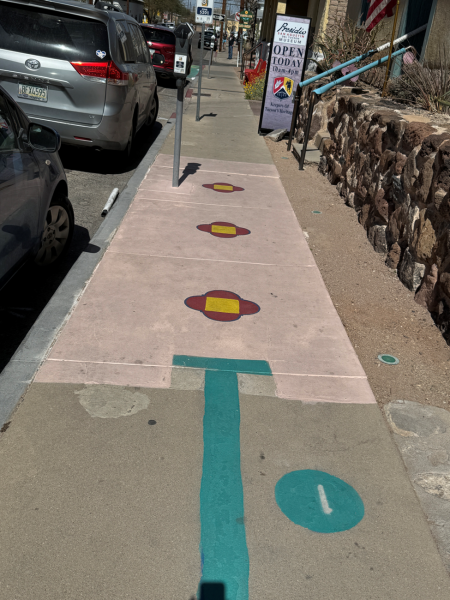
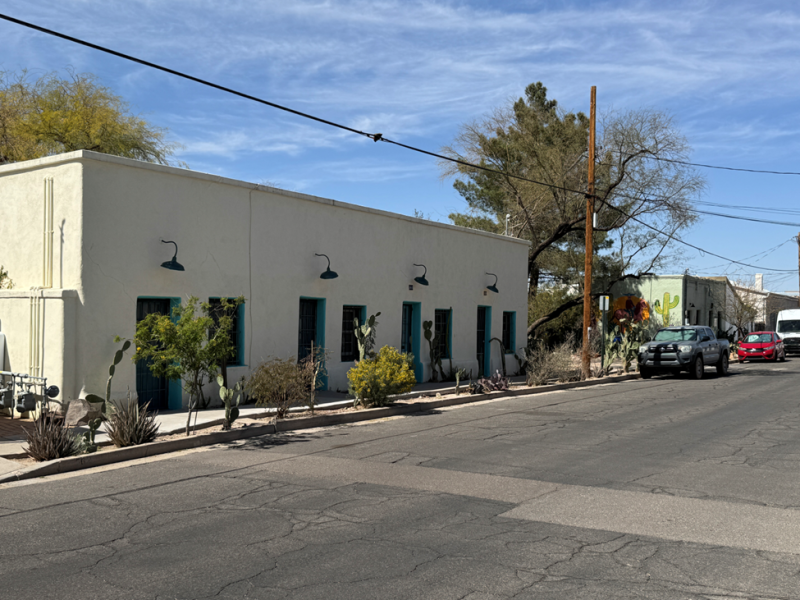
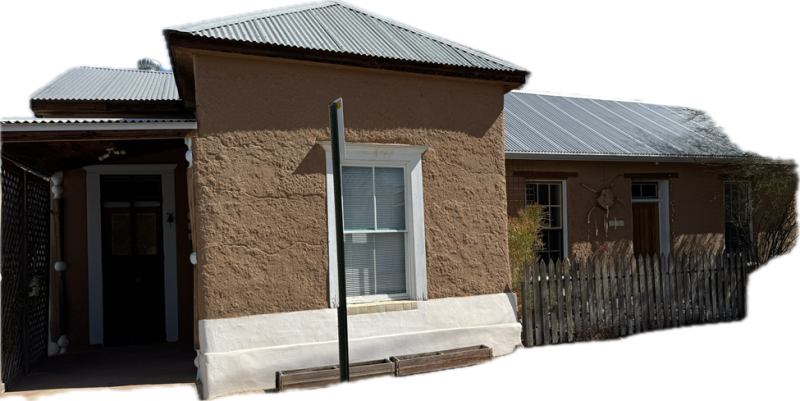
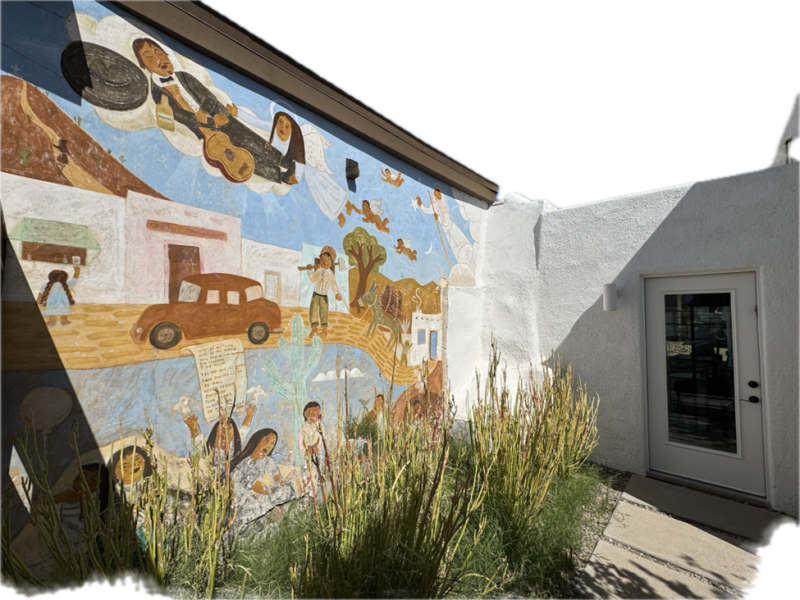
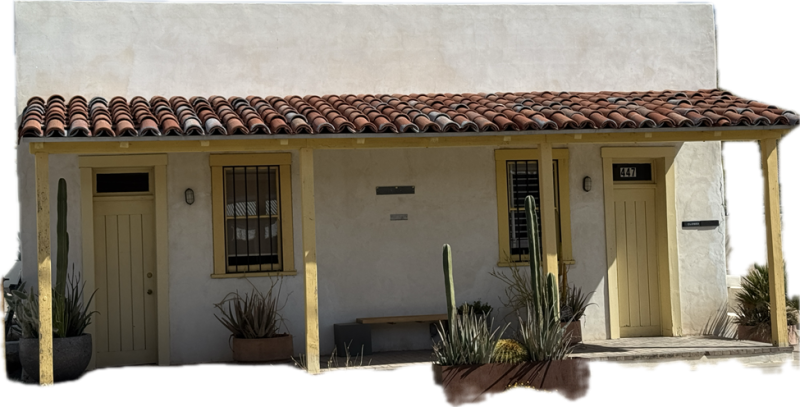
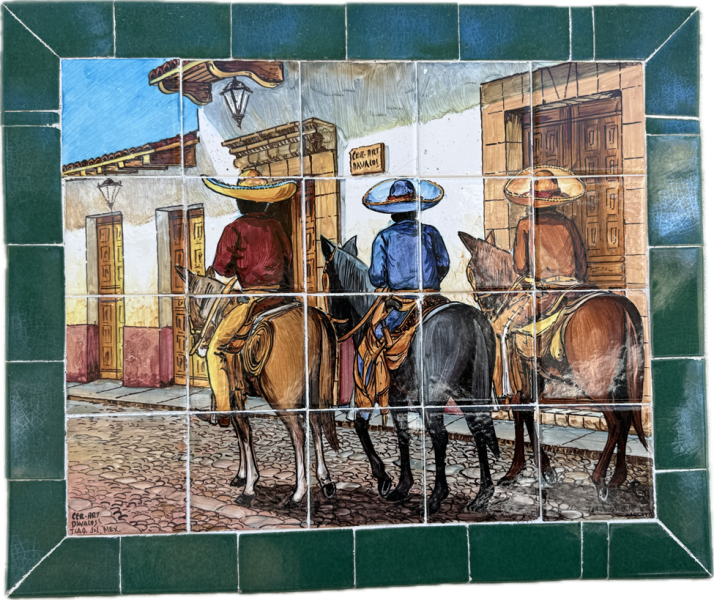
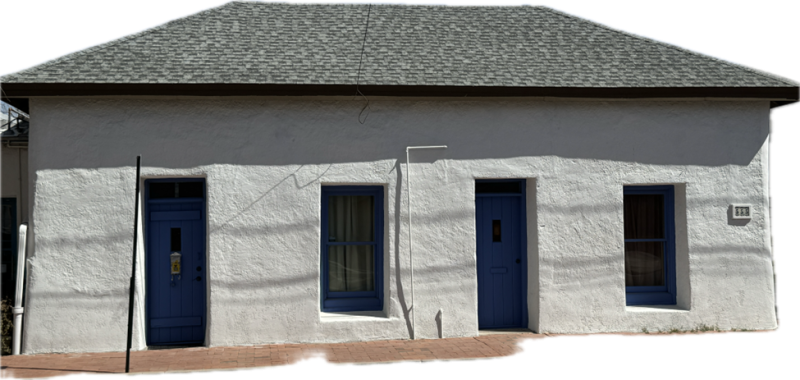
Today we had another unique experience. We drove to downtown Tucson and visited the Presidio San Augustin Del Tucson Museum. There we collected a map for a self-walking tour. The uniqueness is that a trail is laid out on the sidewalks in blue colors with numbers at strategic points along the walk pointing out the places of interest. Before I get into details and share information about our tour, I would like to highlight an observation. Picture numerous high-rise buildings, and alongside see original buildings that have been preserved, some dating back to the mid-1800s. There are not many cities in America where they are so mindful of historical treasures.
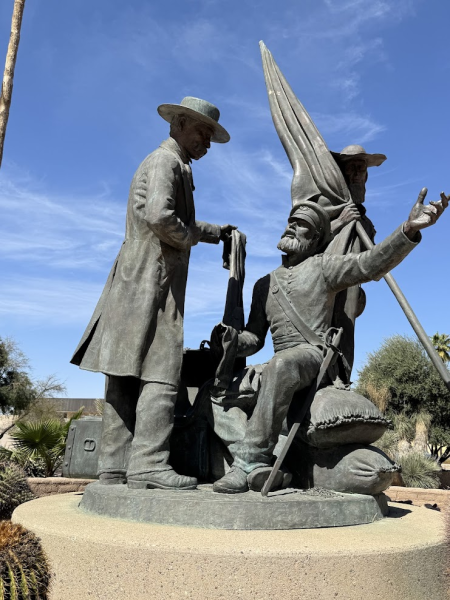
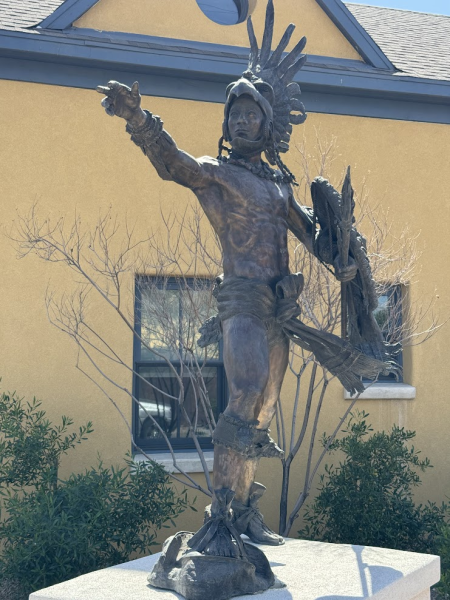
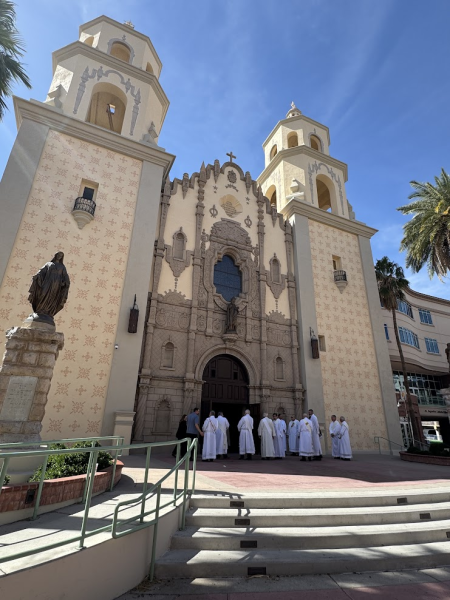
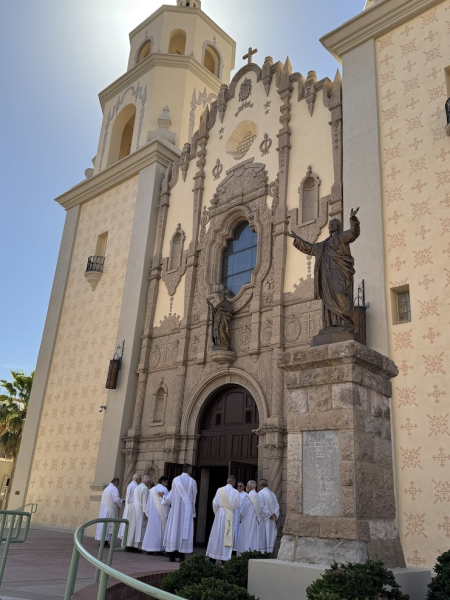
On August 20, 1775, Lieutenant Colonel Hugo O’Connor, an Irishman serving in the Spanish Army, founded a fort in what is now downtown Tucson. Except for a small Spanish chapel across the Santa Cruz River at the foot of the “A” Mountain, this was the first European structure in Tucson. By the 1780s, when the 11-acre fort was completed, it consisted of 10-foot-high adobe walls and two corner towers, each 20 feet high. This fort marked the northwestern edge of the Spanish frontier in Arizona.
The northeast corner of the original Presidio has been reconstructed and is known as the Presidio Museum which offers docent tours and many living history events and activities throughout the year. It would be too tedious to comment on each of the 31 points of interest, but you can learn more here: https://tucsonpresidio.com/ (We did not go on this tour, but used a self-guided tour).
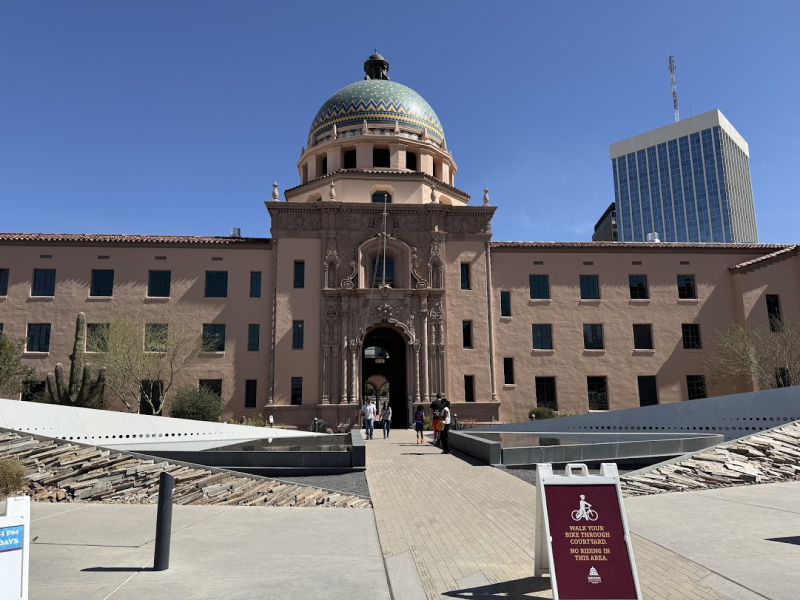
We stopped at the Pima County Historic Courthouse to see the John Dillinger Courtroom. John Dillinger (June 22, 1903 – July 22, 1934, age 31), deemed “public enemy #1,” was on trial as an American gangster during the Great Depression. Dillinger and his gang were arraigned in the courthouse on January 26, 1934. Dillinger was extradited to Indiana and escorted by Matt Leach, the Chief of the Indiana State Police. He was taken to Lake County jail in Crown Point, Indiana, and jailed for charges of the murder of a policeman who was killed during a Dillinger gang bank robbery in East Chicago on January 15, 1934.
Dillinger commanded his gang, which was accused of robbing twenty-four banks and four police stations. Dillinger was imprisoned several times and escaped twice. He was charged with, but not convicted of, the murder of an East Chicago, Indiana, police officer, who shot Dillinger in his bullet-proof vest during a shootout. It was the only time Dillinger was charged with homicide.
Monday, March 3, 2025
Interesting start to our day. I had to change from shorts to jeans because it was such a cool day. Then too I had to sit indoors because it was too cold outside. We had a more relaxing day today. It included shopping at a huge Walmart Supersaver. We needed to refresh our groceries.
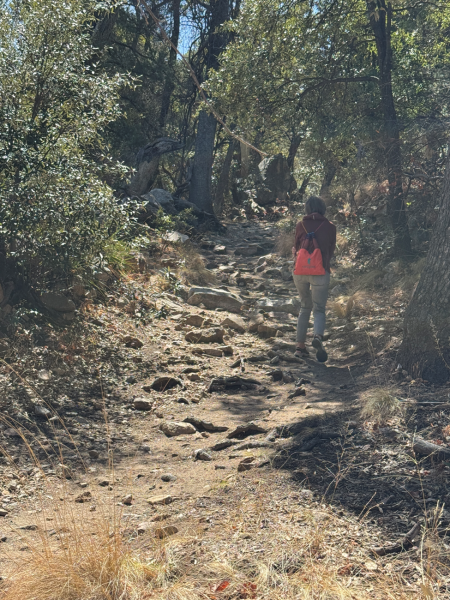
Later we drove to nearby Robles Pass Trails Park to hike up a hill. It was fun to get exercise, but the wind was somewhat strong, and we only ventured out for two hours. It was the slowest mile that I have ever recorded for any walk or hike, at 1 MPH (1.6 KPH), but the trail was rocky, uphill half the way, and we had to be careful not to fall.
Today we also filled our hybrid vehicle. It only holds a small amount of gas/petrol and costs about $25.
Tuesday, March 4, 2025
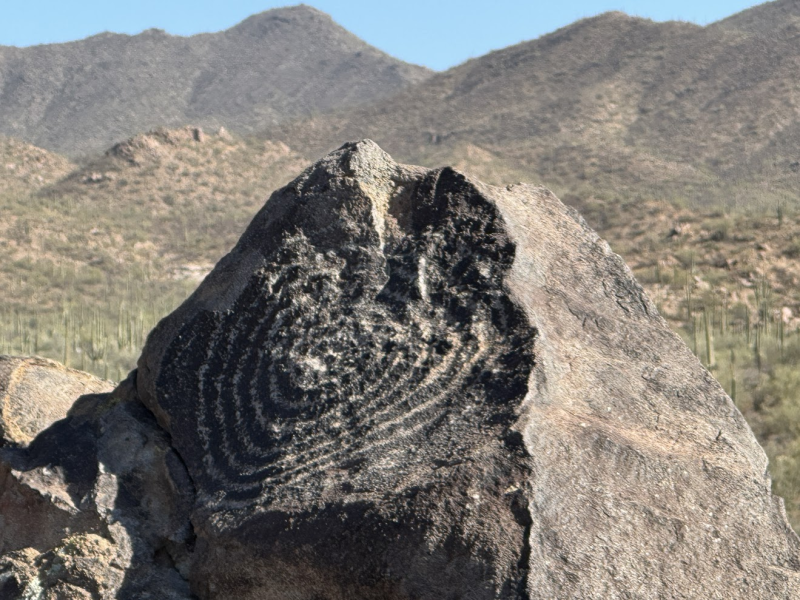
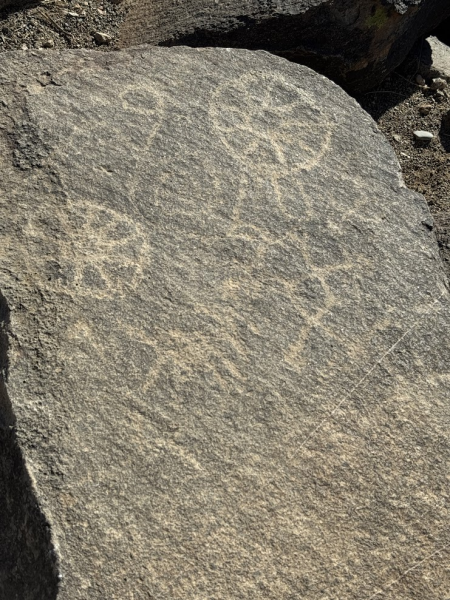
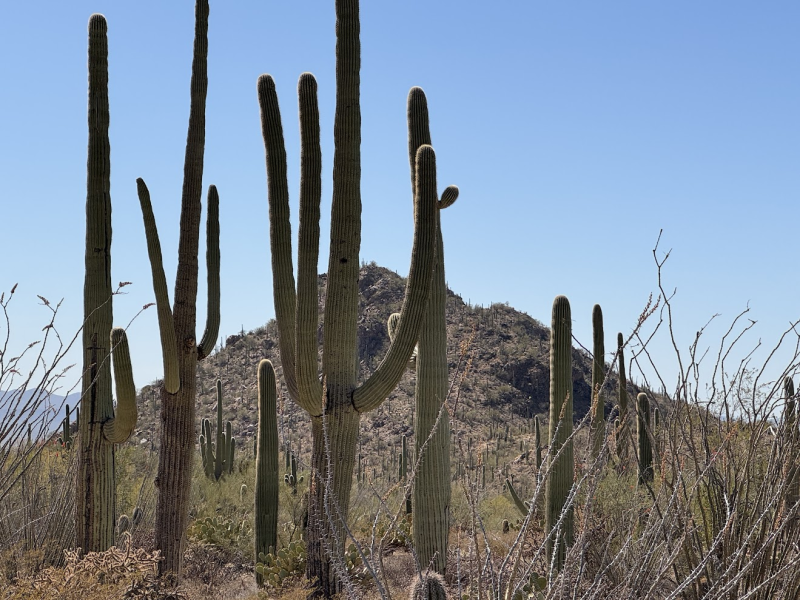
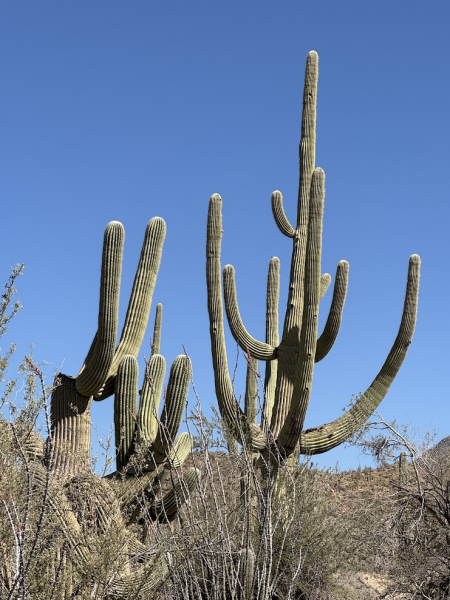
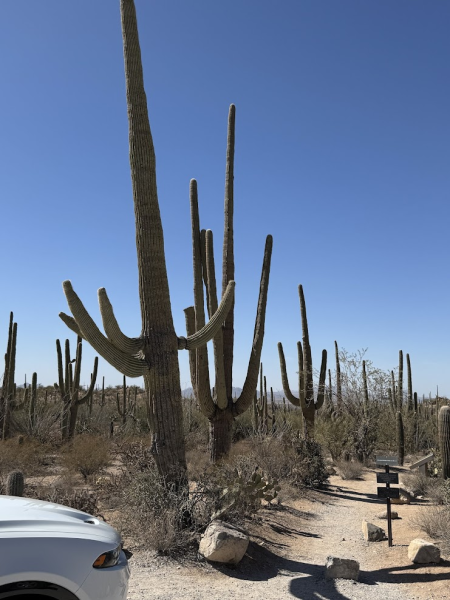
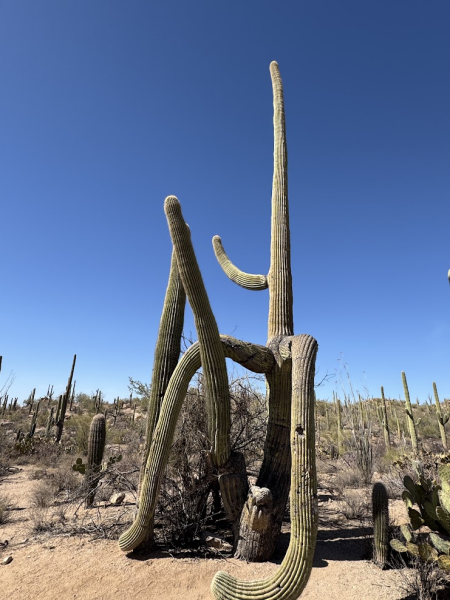
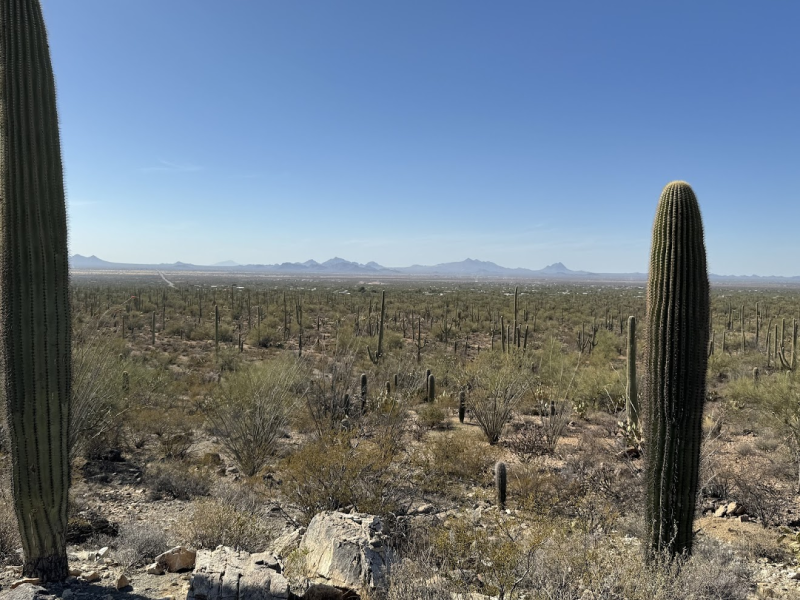
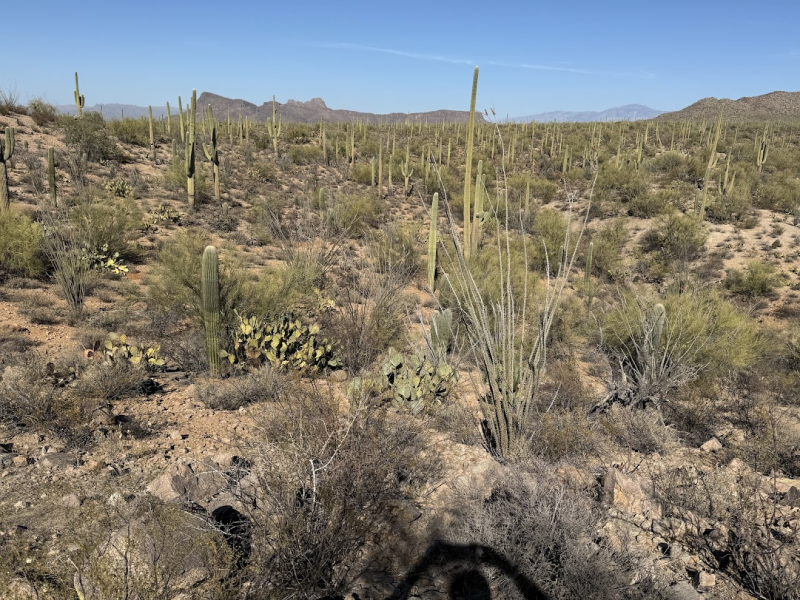

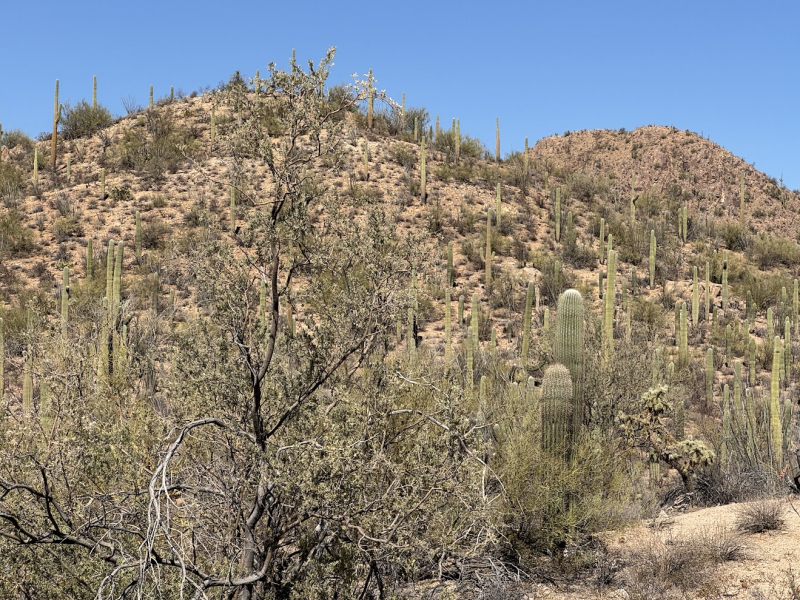
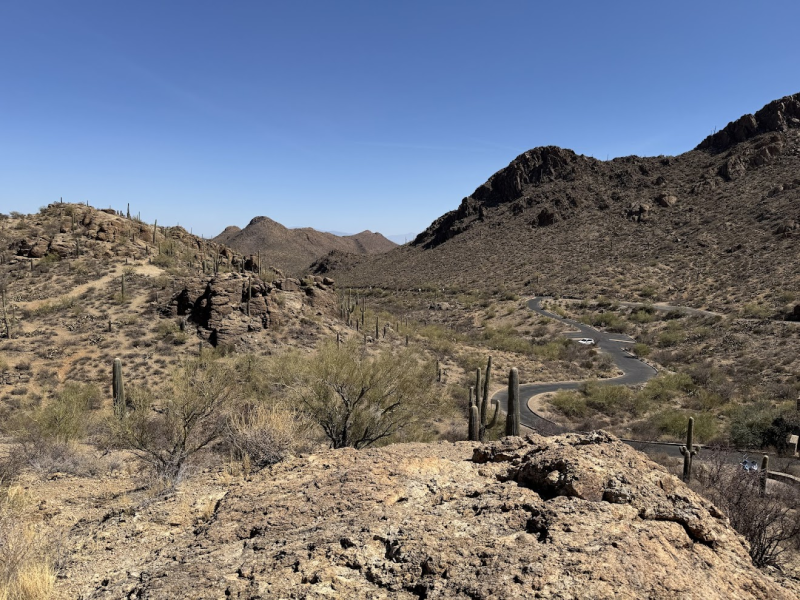
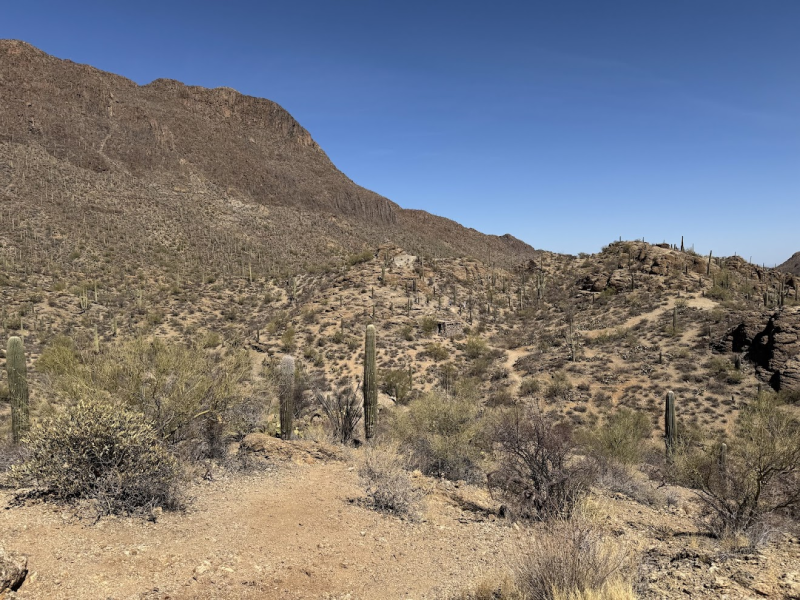
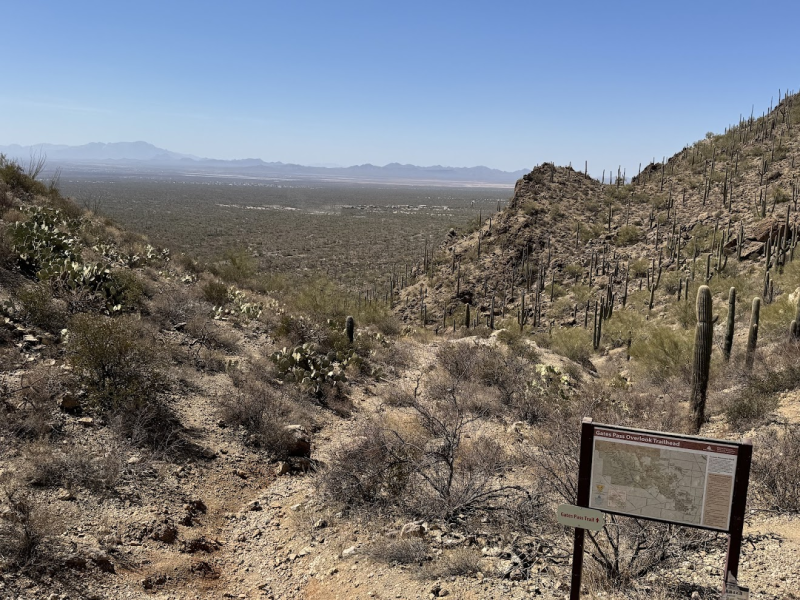
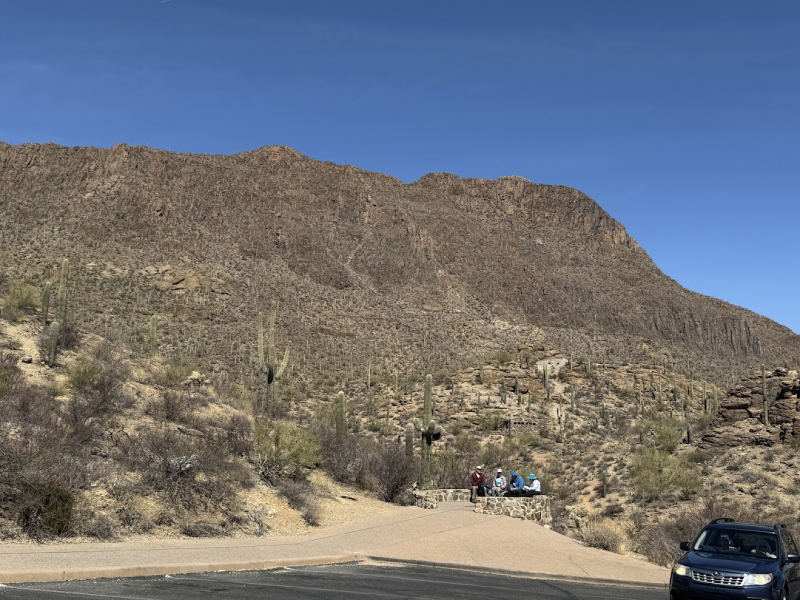
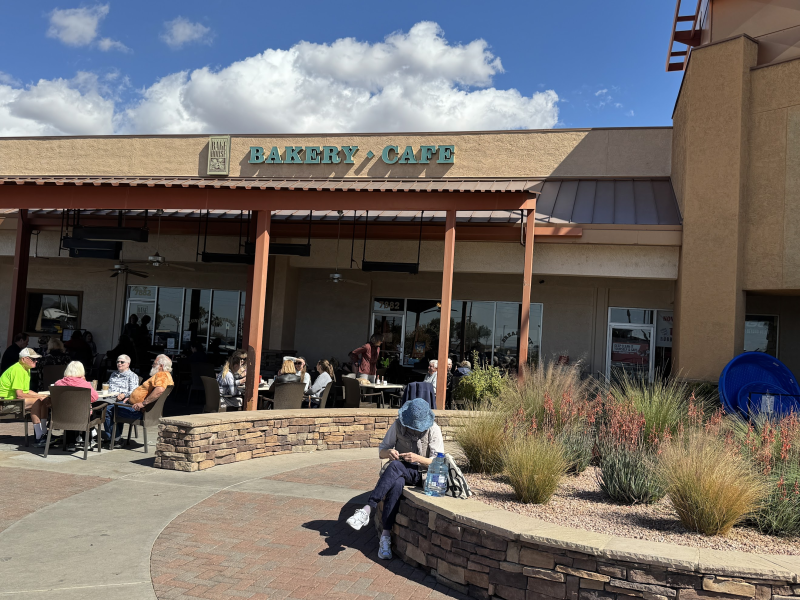
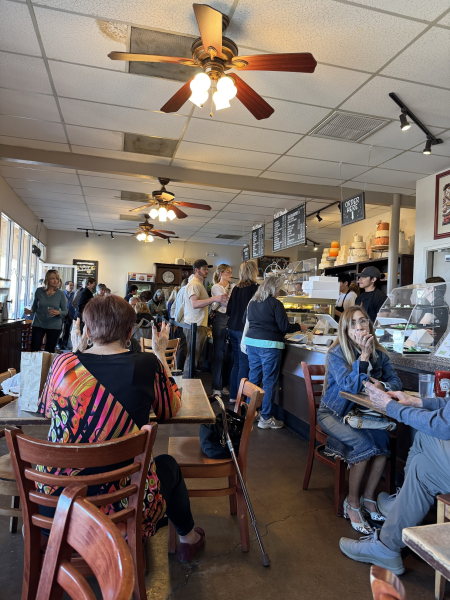
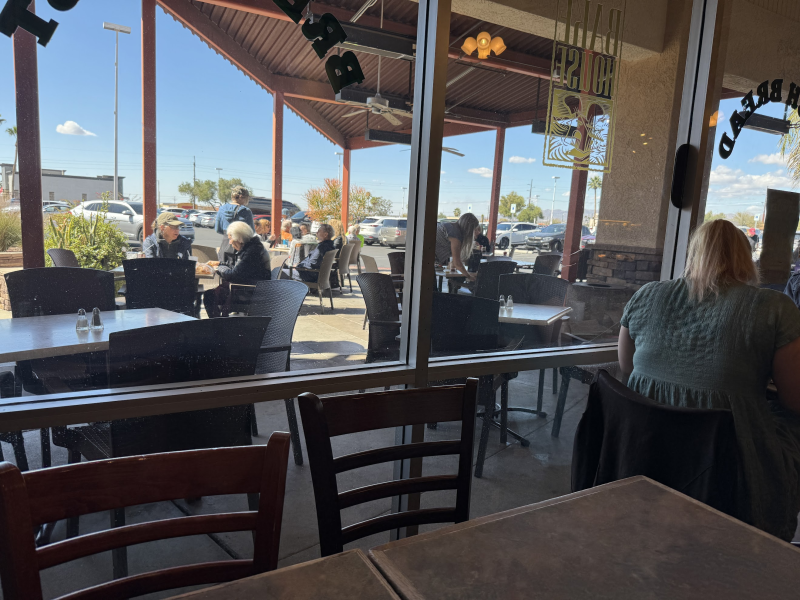
We returned to Arizona-Sonora Desert National Park, but to a different area to hike in the larger section of the park than we took last Saturday. We stopped at the Village Bakehouse for a lunchtime treat of baked goods including a hot cross bun. The day included hiking in the area and enjoying the thousand-year-old rock art.
Prehistoric rock art found within Sonora National Park was created by the Hohokam people. These petroglyphs were created more than a thousand years ago while on hunting and gathering expeditions. Hohokam dominated this region between the years 200 to 1450 A.D.
In this part of America, the first documented European contact with American Indians occurred in the late 1600s when the Jesuits established missions. Padre Eusebio Kino and his fellow missionaries first visited the Tucson Basin in 1692. From 1692 to 1821 the Spanish established more than two dozen missions and presidios (military outposts) in southern Arizona and northern Sonora. The Mexican Period between 1821 to 1853 brought farmers, ranchers, and miners, taking some of the best land. The American Period from 1853 through today, gained this territory via the Gadsden Purchase of 1853. Copper proved to be the most important metal in Arizona. Silverbell Mine operations can be seen across this valley. The mine operates four open copper pits.
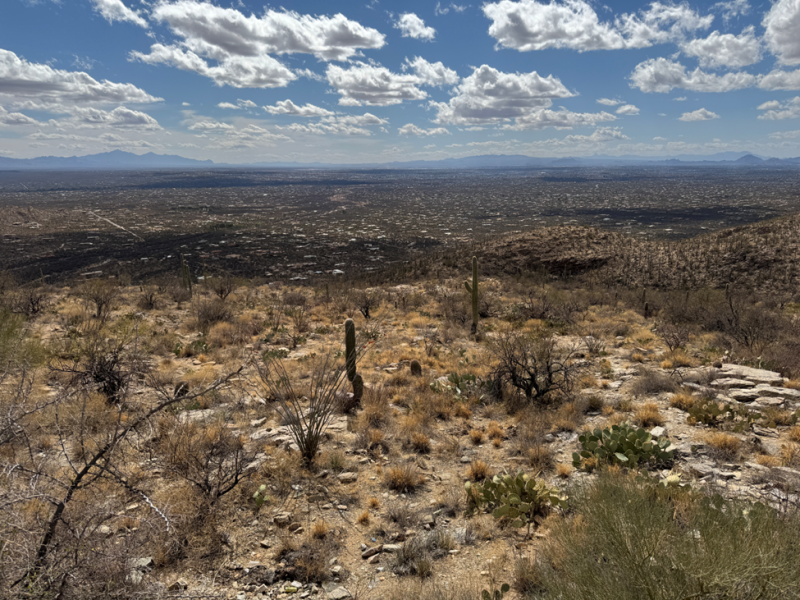
Some of our walks or hikes included the Bajada Wash Trail, part of the Gates Pass, Signal Hill Trail, Valley View Overlook Trail, and Javelina Wash Trail (a dry stream). It is hard to describe the beauty of this desert land, so different to where we live. The Tucson Mountains are home to a community of plants and animals uniquely suited to the lush but harsh environment of the Sonoran Desert. Protected within the Sonora National Park are over 1,700 species. I should point out that we are warned to beware of prickly plants, poisonous rattlesnakes, scorpions, and Gila monsters (a species of venomous lizard). Also warned to avoid putting our hands and feet under rocks or hidden places. Suffice to say that we did not experience any of these situations.
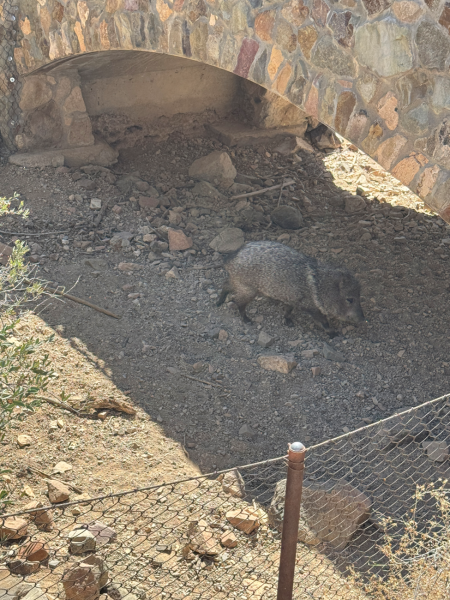
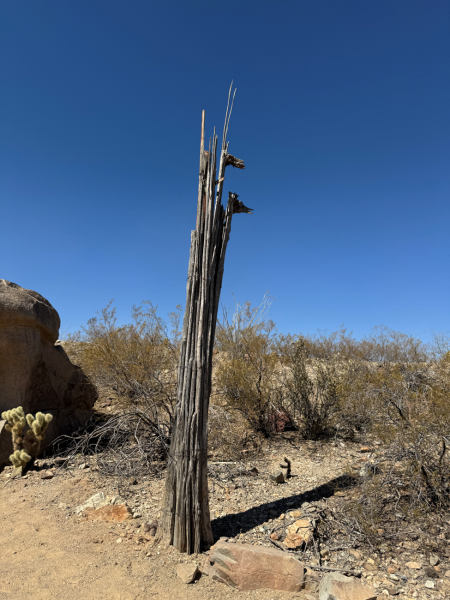
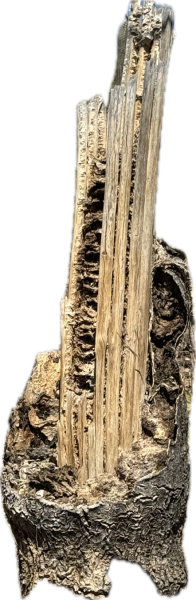
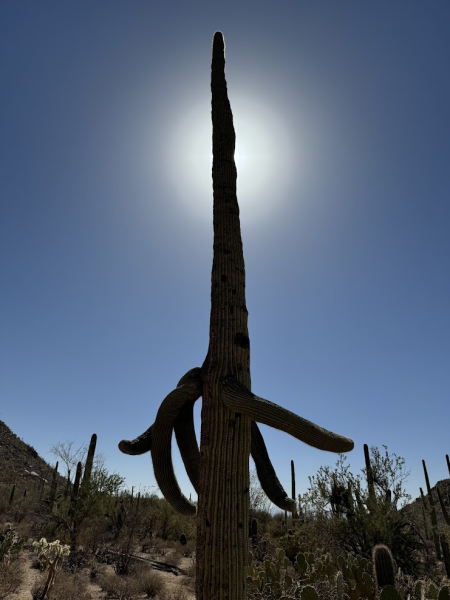
The Sonora Desert can be described as a “desert jungle.” More than 200 species of animal and 600 species of plant live here. Saguaros (a tree-like cactus) with their branching arms and accordion-like pleats—dominate this scene. It is interesting to see how saguaros and other plants have adapted to extreme heat and drought. The saguaros’ main stem and arms expand to hold water collected through its roots. Desert animals—coyotes, snakes, javelinas, and rodents—take shelter during times of extreme heat and cold.
Wednesday, March 5, 2025
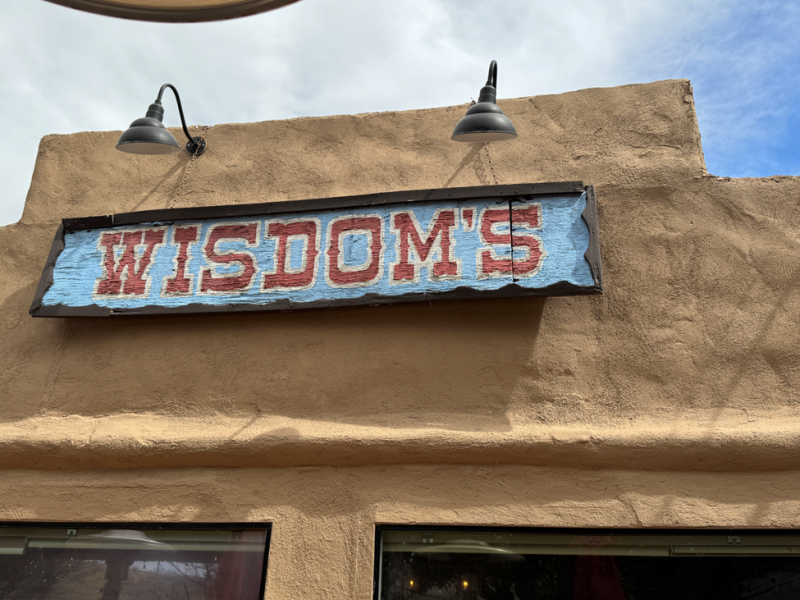
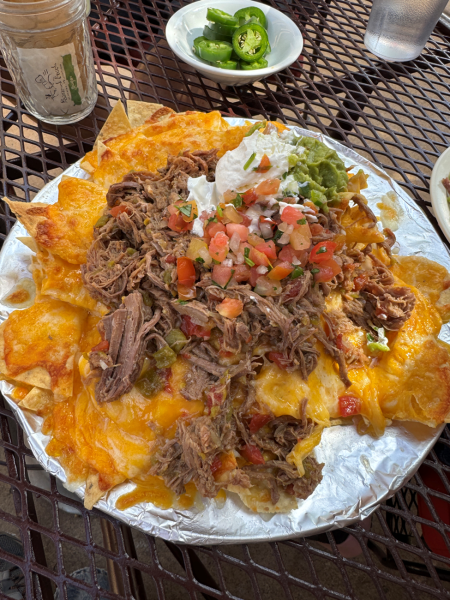
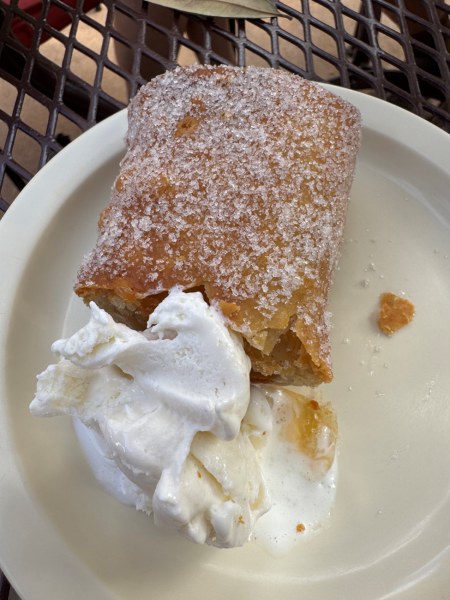
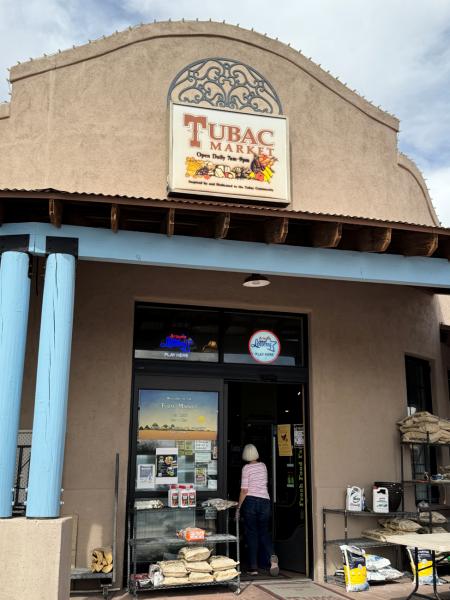
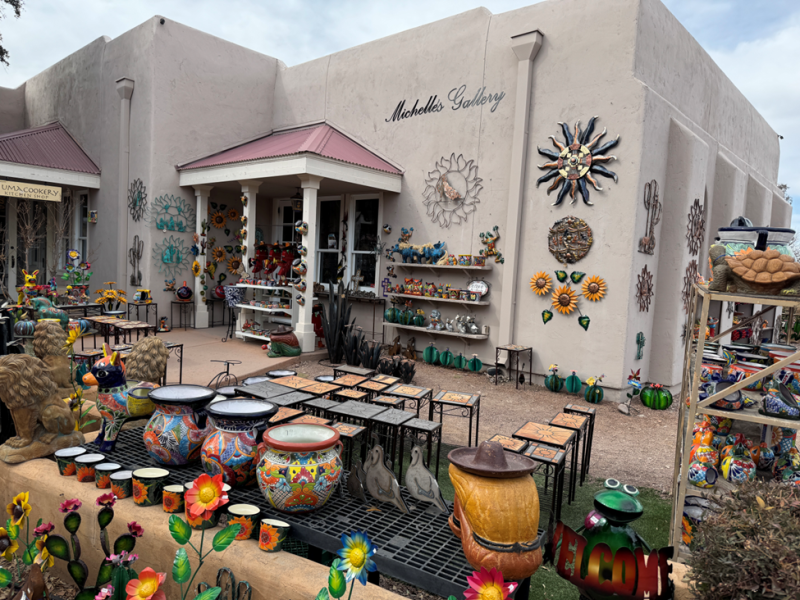
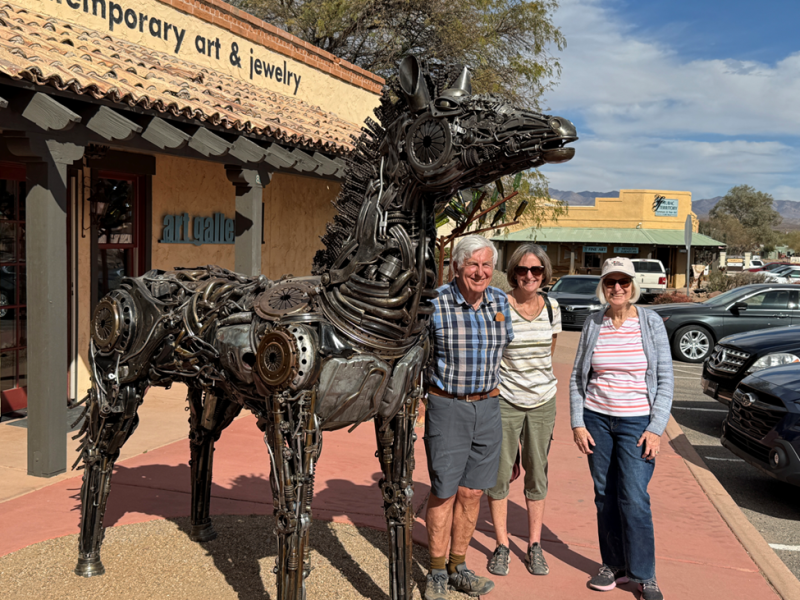
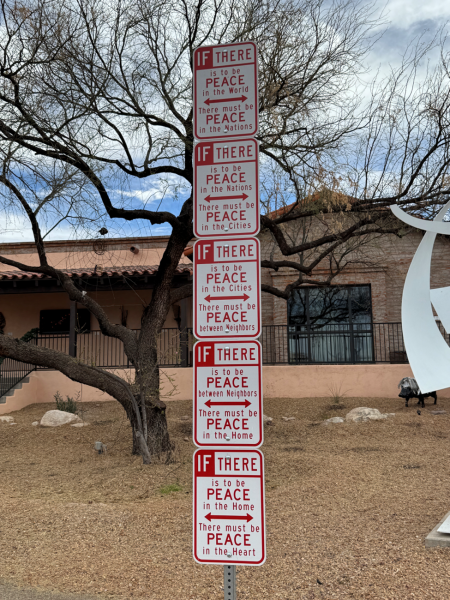
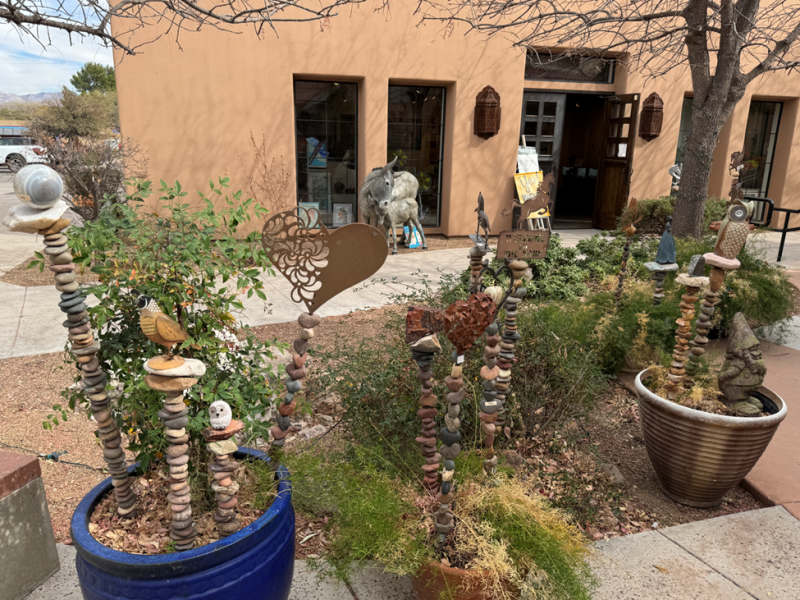
Today we made three stops: initially to the Tumacácori National Historical Park, followed by lunch at Wisdom’s Café, and finally at the Tumacácori artists village in Tubac.
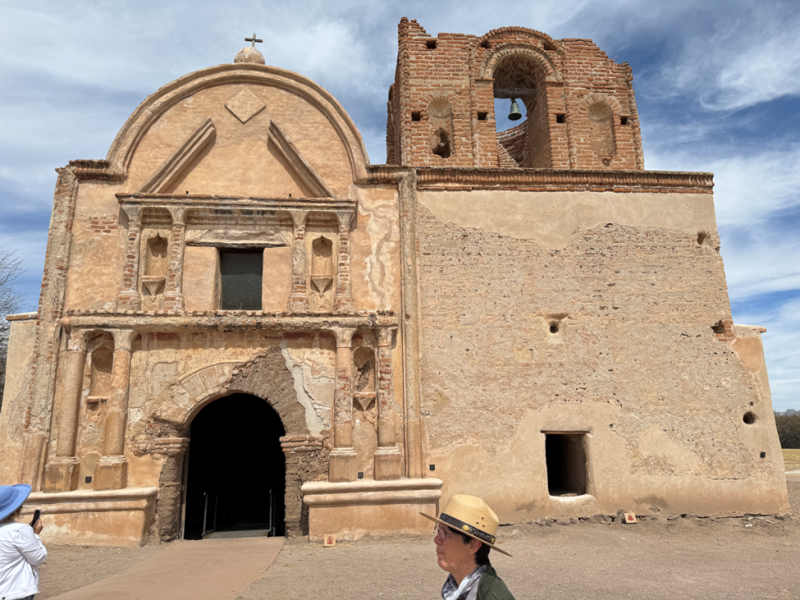
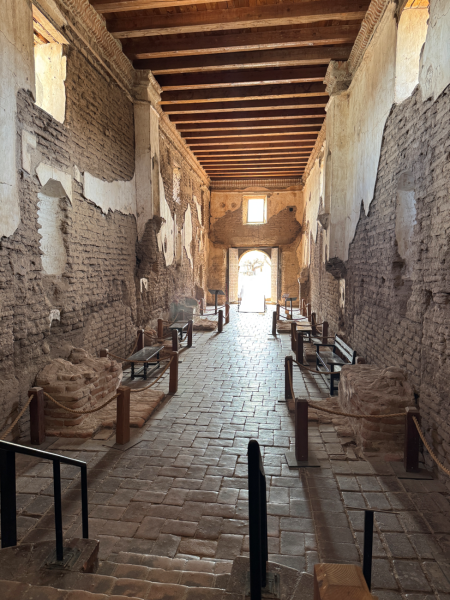
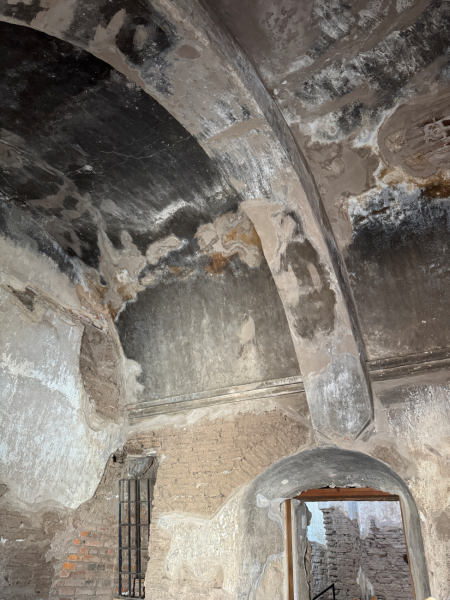
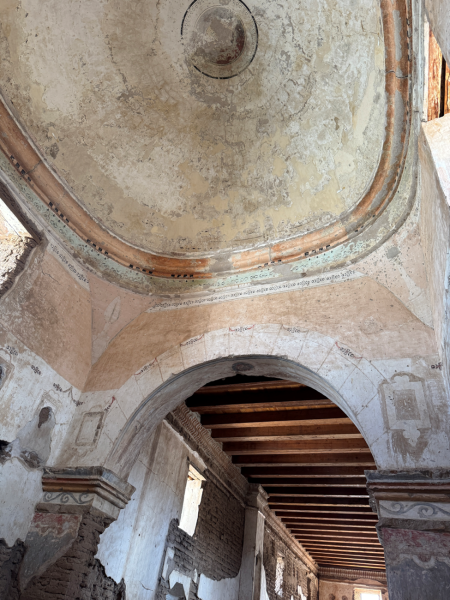

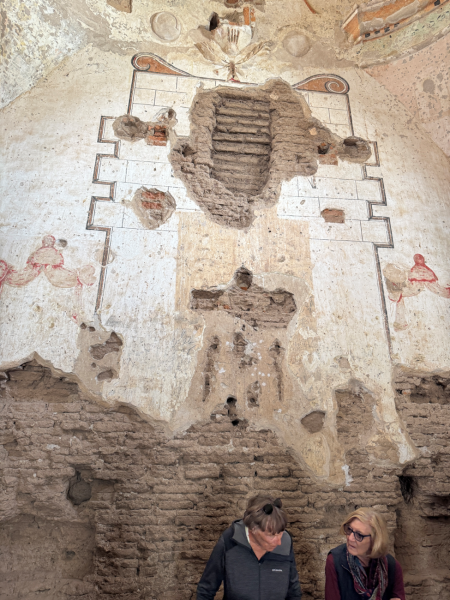
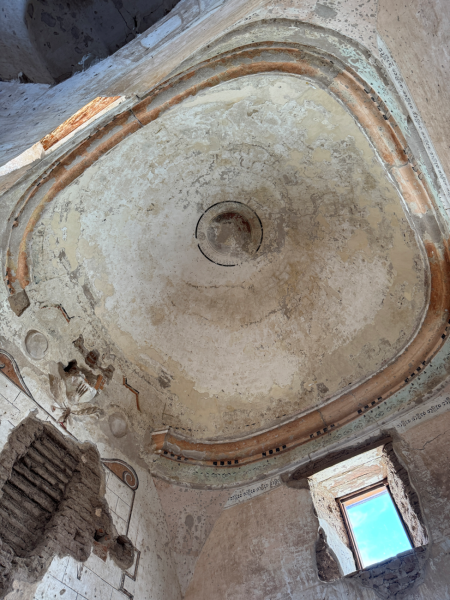
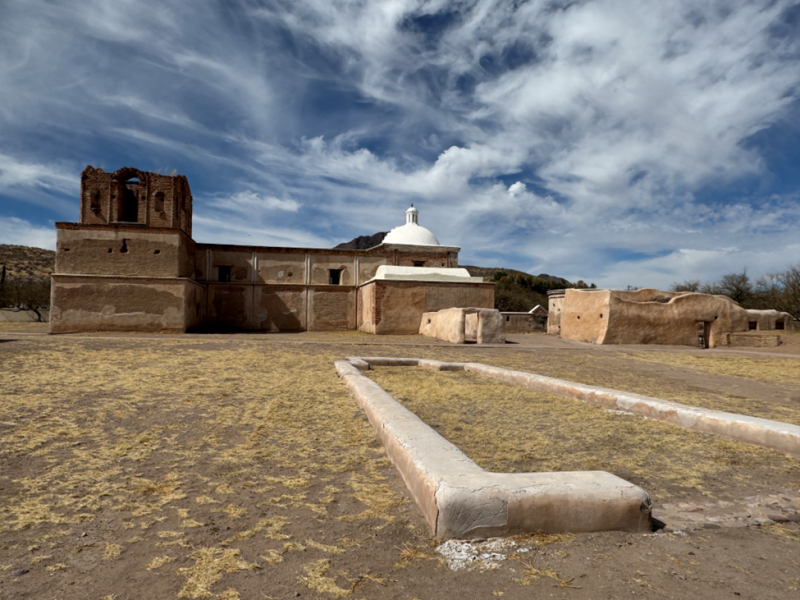

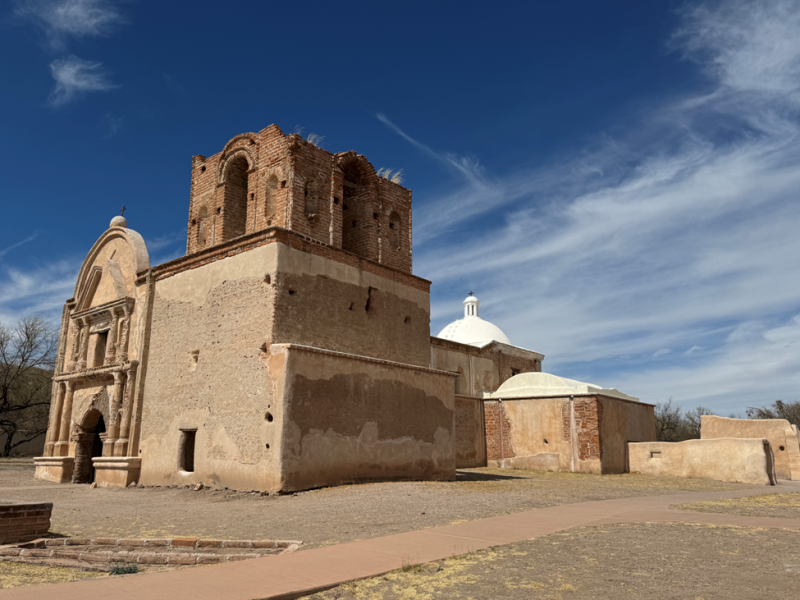
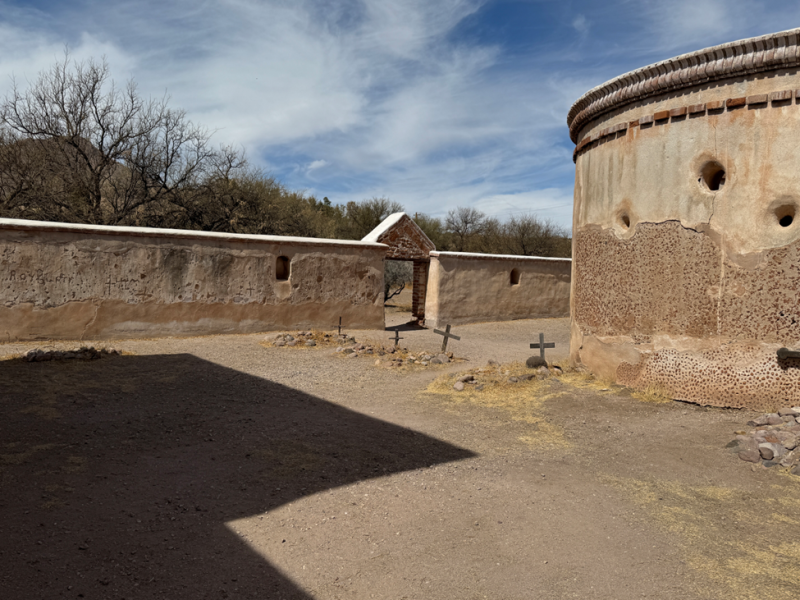
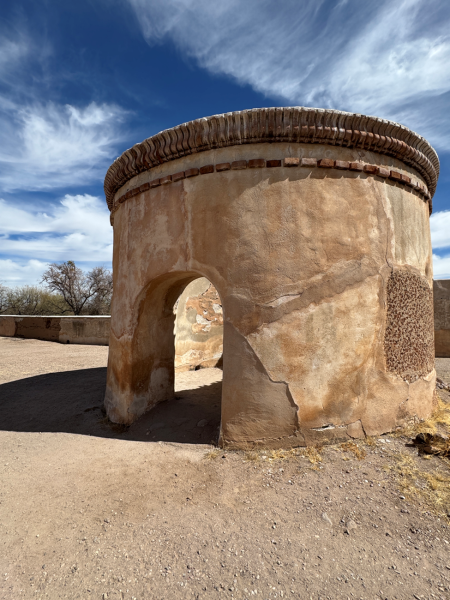
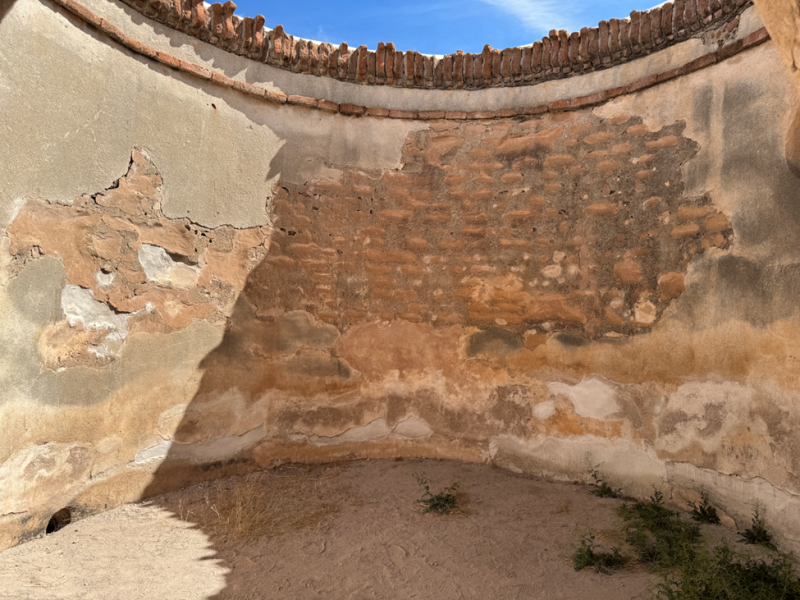
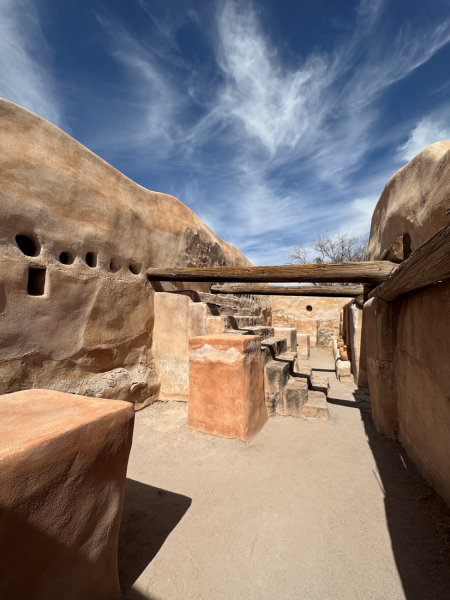
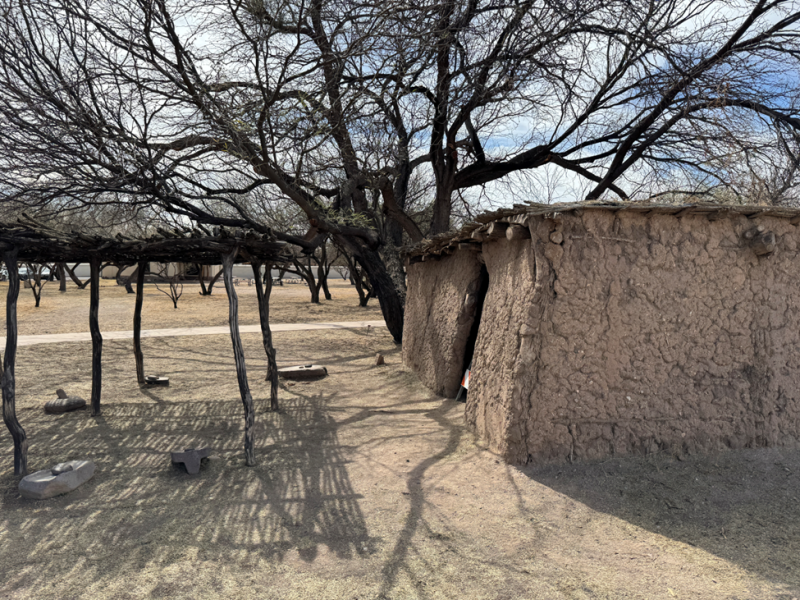
The plot of ground was laid out by the missionaries as a holy place where their growing numbers of converts could be buried. After the priests left, treasure hunters vandalized the graves, and cattle were corralled there. No markers remain of these early graves.
Jesuit missionary Eusebio Francisco Kino first visited Tumacácori in January 1691. The mission was one of more than twenty established by Kino in the area known by the Spanish as the Pimeria Alta. A mission was much more than a church; it was an entire community designed to teach European ways of life to the people living on lands claimed by Spain. Missions included farmland as well as workshops and homes. Around 1800, residents of Tumacácori began building the church that stands here today.
This all took place over several decades in the early 1800s. Several wars intervened impacting the migration of people and resulting in buildings falling into ruin, and artifacts being stolen.
To put today (March 5, 2025) into perspective, it is during the time Donald Trump, JD Vance, and Elon Musk are doing all they can to destroy America by wrecking the Federal Government and firing workers, to make the 1% rich even more wealthy. At the end of the presentation when the other 15 or so attendees had moved on, I had a very personal discussion with the guide. Understanding that many Federal workers had been fired, including at the National Parks, I asked how they were holding out. The response was that they are stressed out beyond what words can describe. This guide has been with Park Services for many years, serving at National Park locations from the East to the West Coast, and finally at this facility. Here they had already lost a few Federal workers, making serving the public a challenge. The concern is that Trump wants to turn this park into a private enterprise money-making racket, and without the generous donations, volunteerism, and federal support, this heritage will be lost to the American people and international visitors.
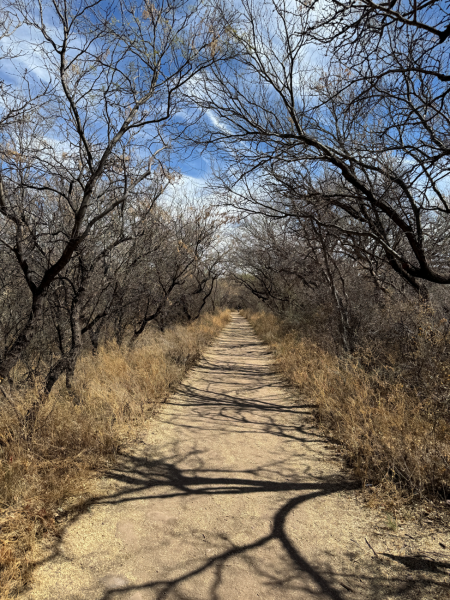
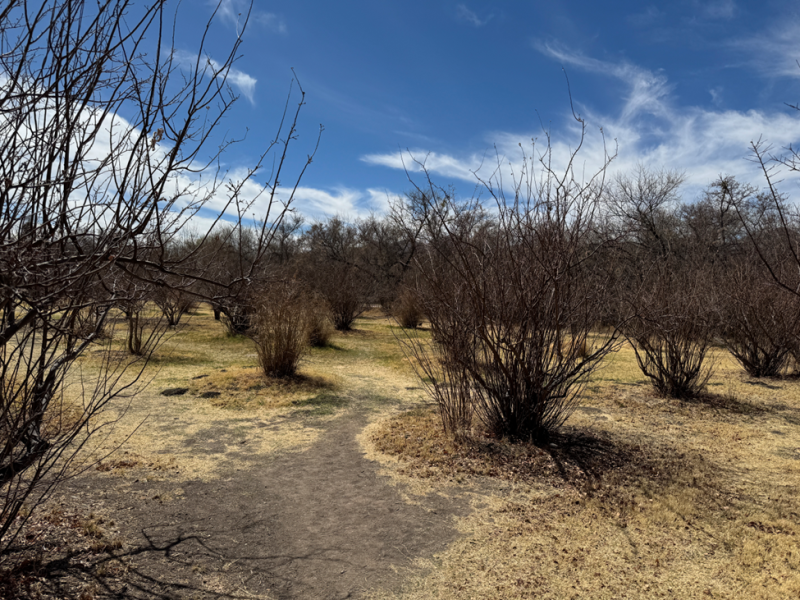
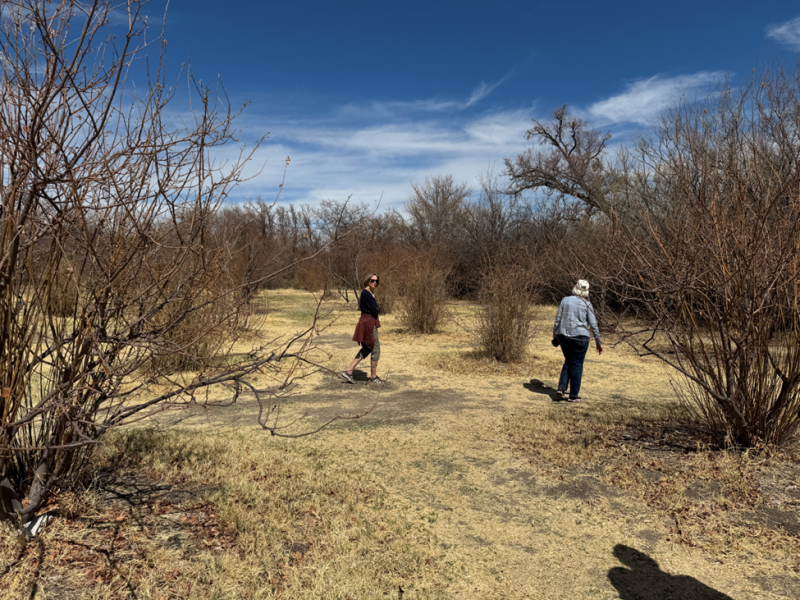
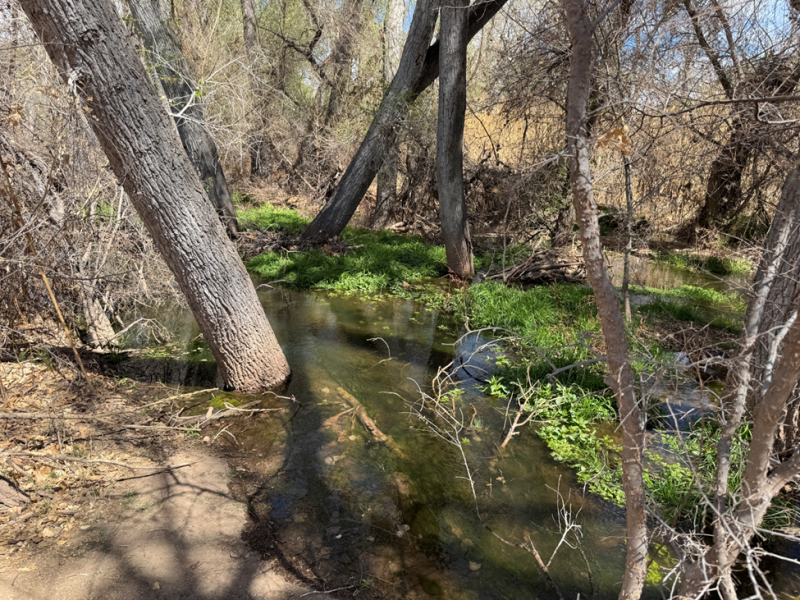
The original 4.6-acre (1.9-hectare) orchard was surrounded by a high wall to protect trees and crops from hungry animals, both domestic and wild. Water was brought from the Santa Cruz River by an irrigation ditch, connecting to the stream one-half miles (800 meters) to the south. The orchard produced peaches, apricots, plums, pears, quince, pomegranates, figs, olives, and oranges. Gardens of beans, squash, and other vegetables were planted in the shade beneath the orchard trees.
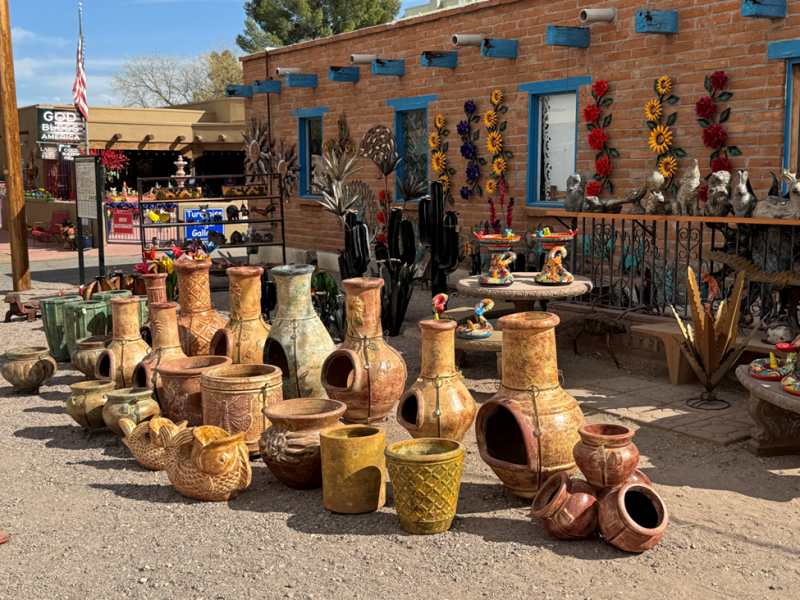
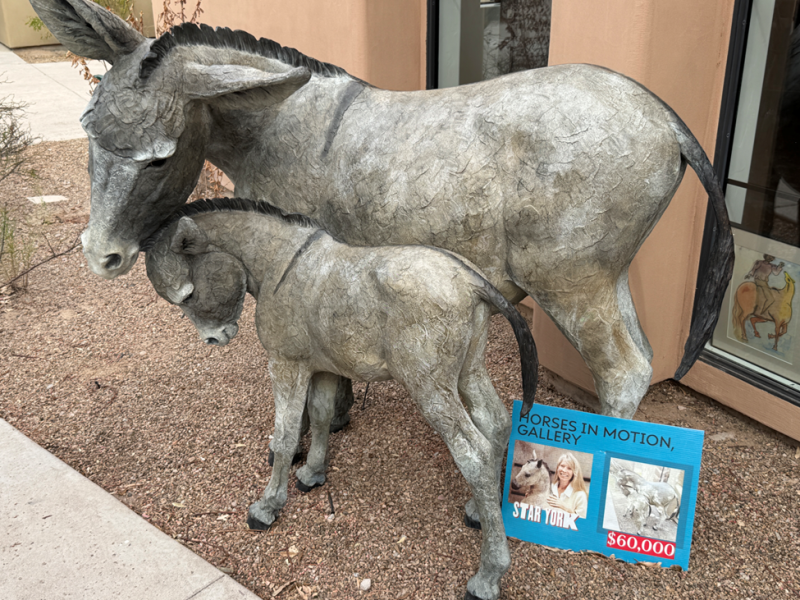
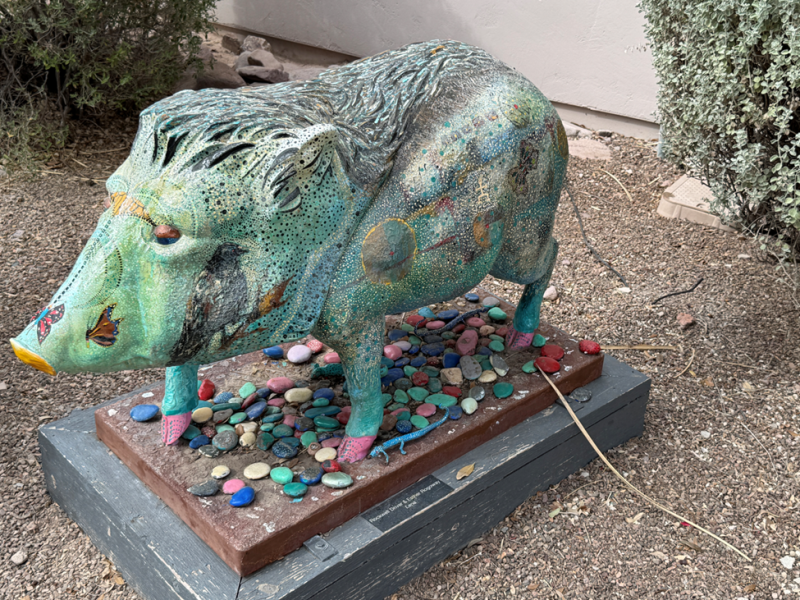
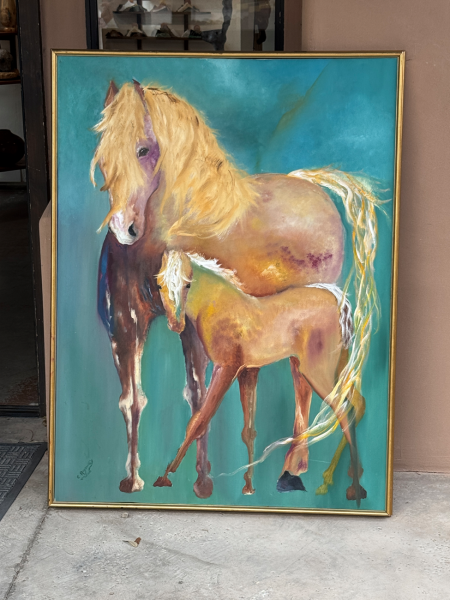
Thursday, March 6, 2025
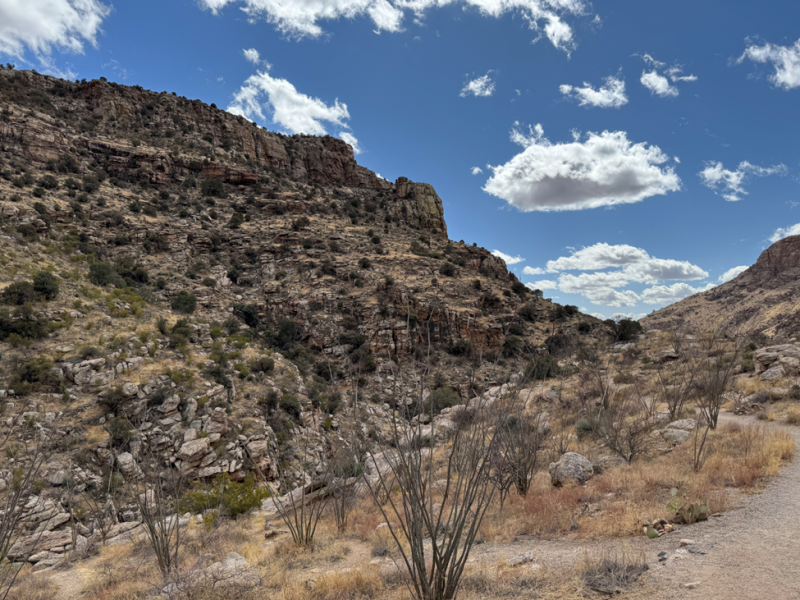
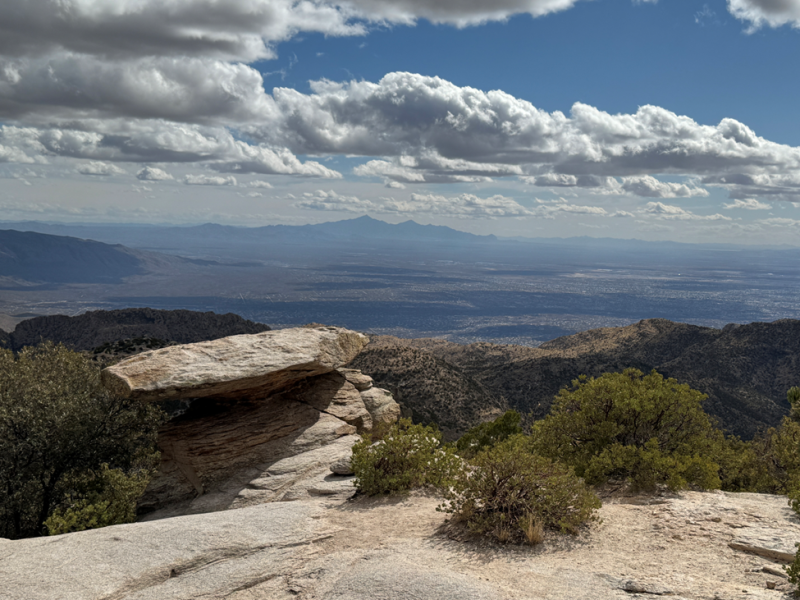
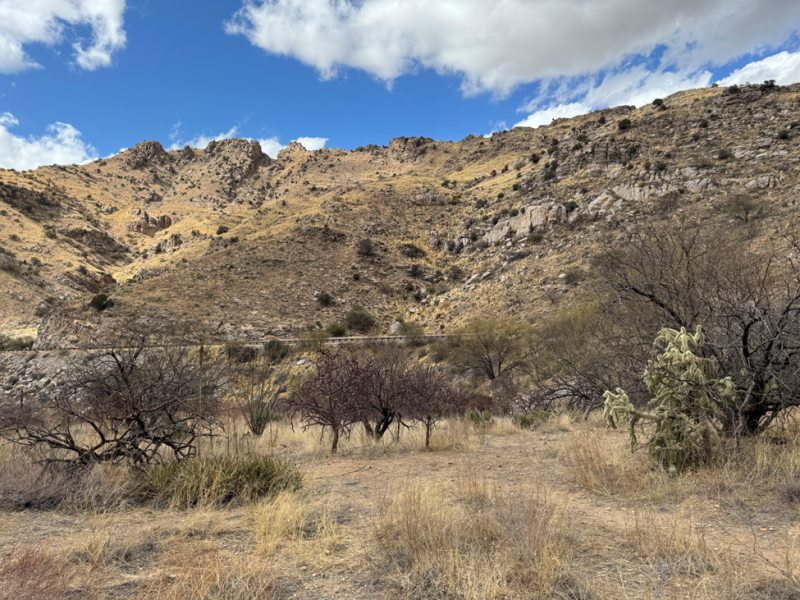
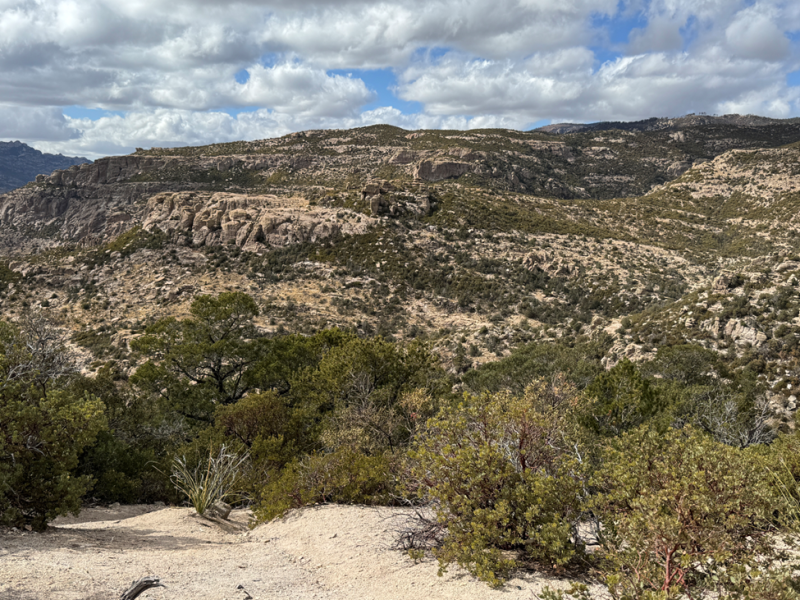
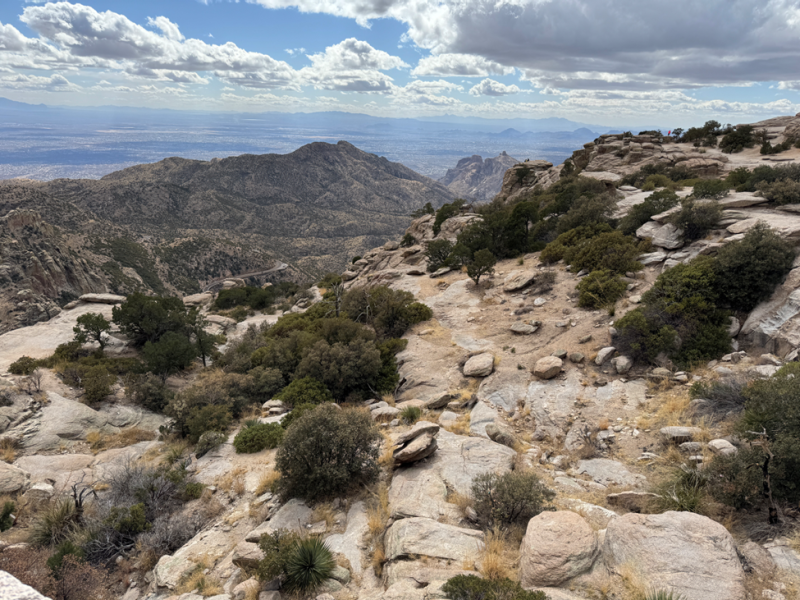
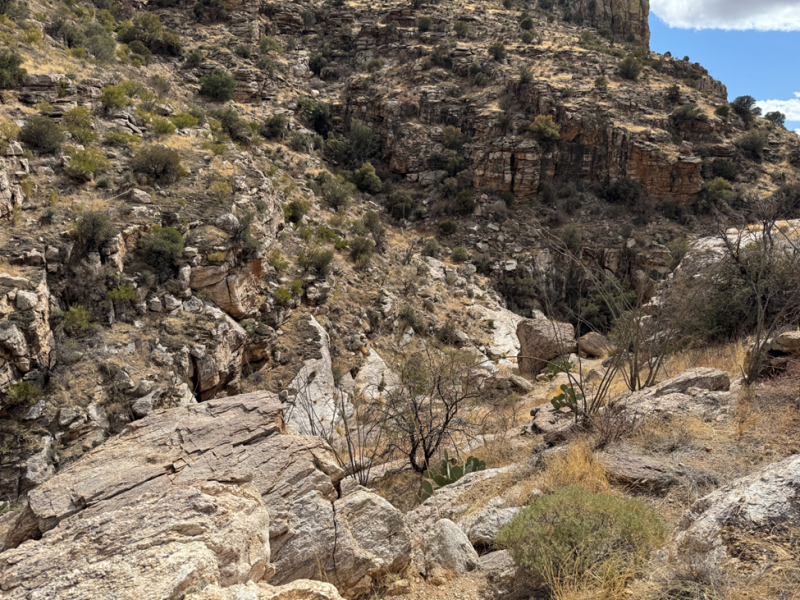
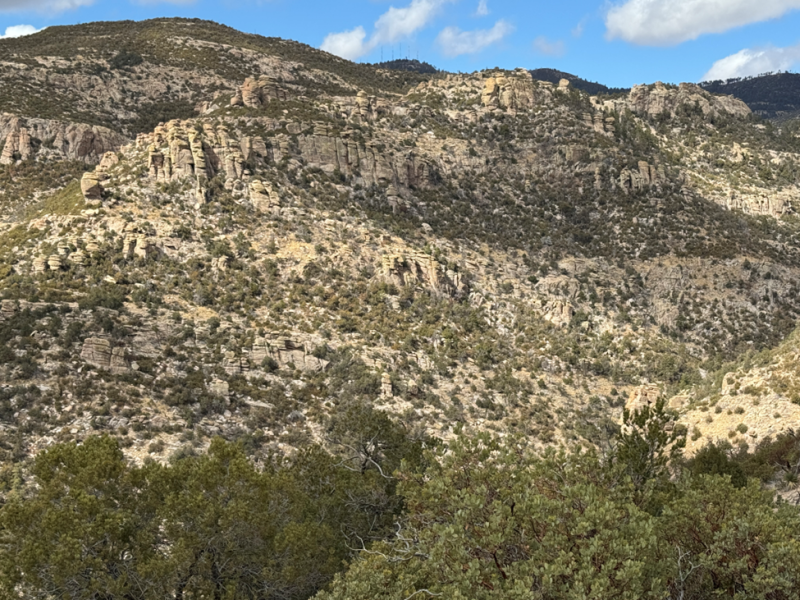
I had a selection of fifty 5-minute dashcam videos to choose from. This represents some of the beauty we experienced as we drove up and down this magnificent 9,000-foot-high (2,750 meters) Mount Lemmon, on the outskirts of Tucson, Arizona. Please ignore the time stamp that reflects Central Time, and here we are an hour later in Mountain Time.
Today we drove to Mount Lemmon, a journey that took us 90 minutes if we did not stop along the way, climbing up ever higher, reaching an altitude of 8,000 feet (2,400 meters). The 2-lane bi-directional roads were in fantastic condition, so much so that numerous cyclists were peddling up the steep inclines and naturally coming down after ascending the peak. We stopped at a few lookout posts to admire the scenery.
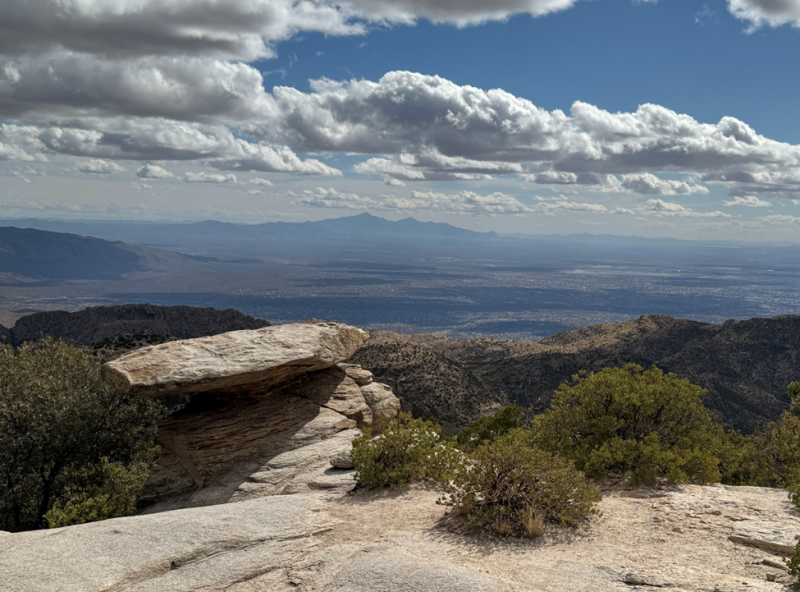
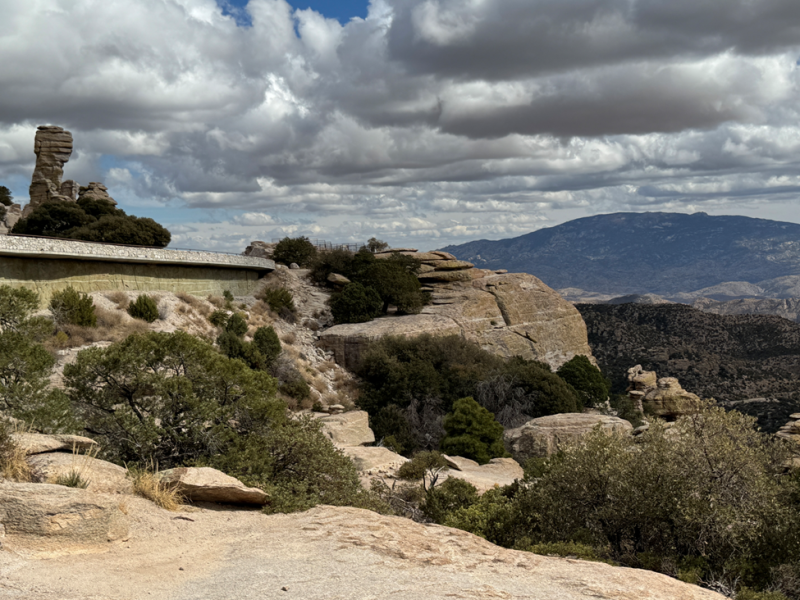
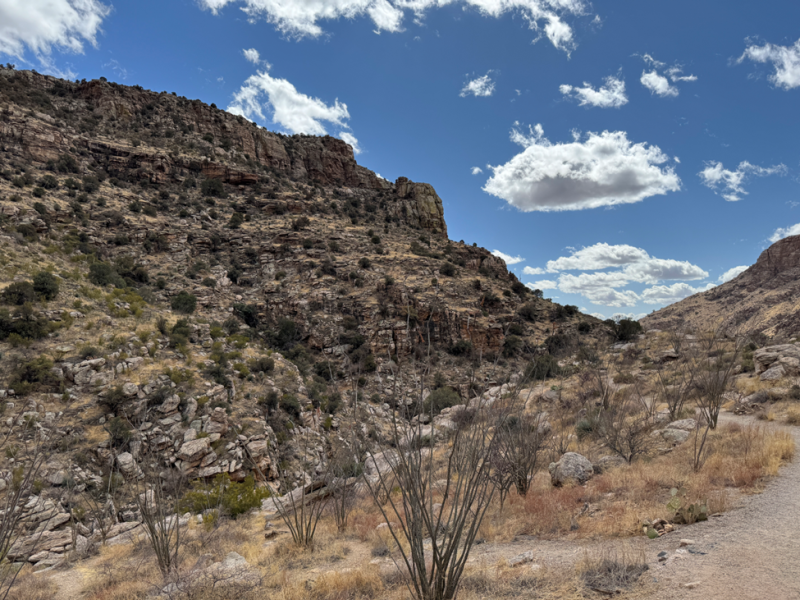
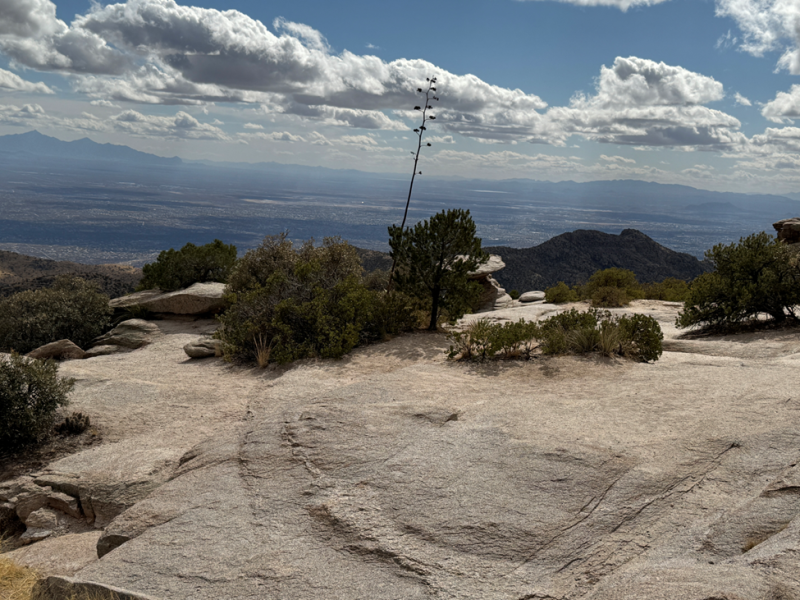
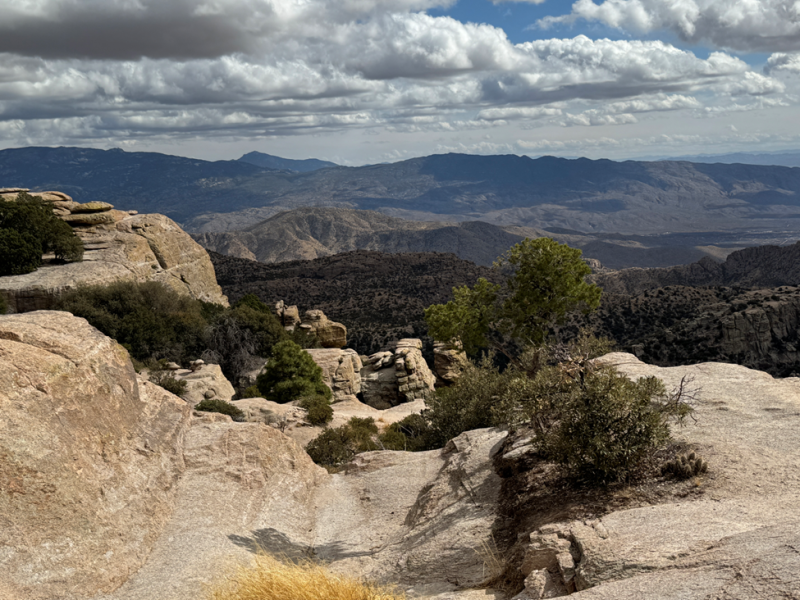
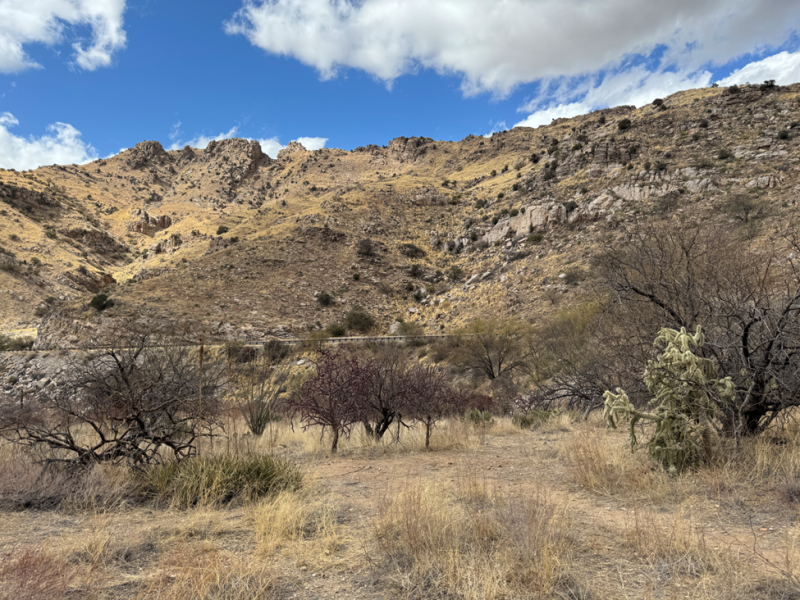
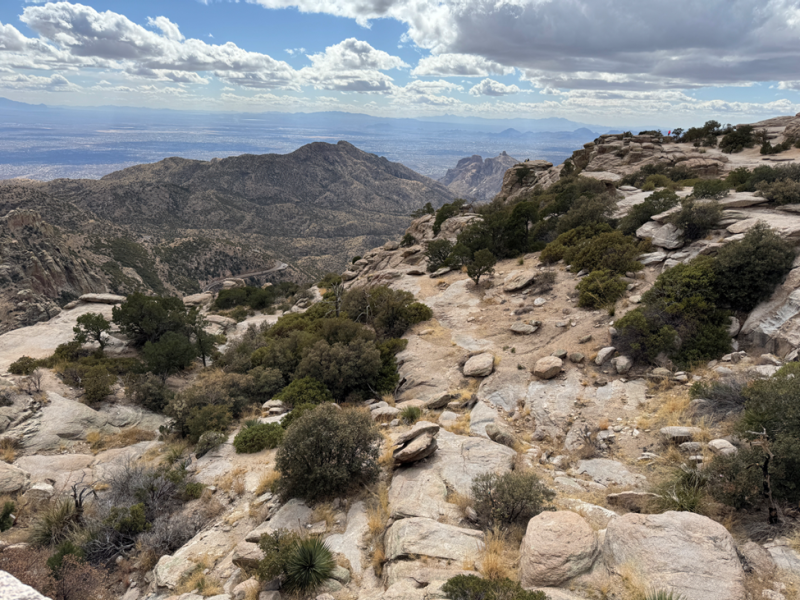
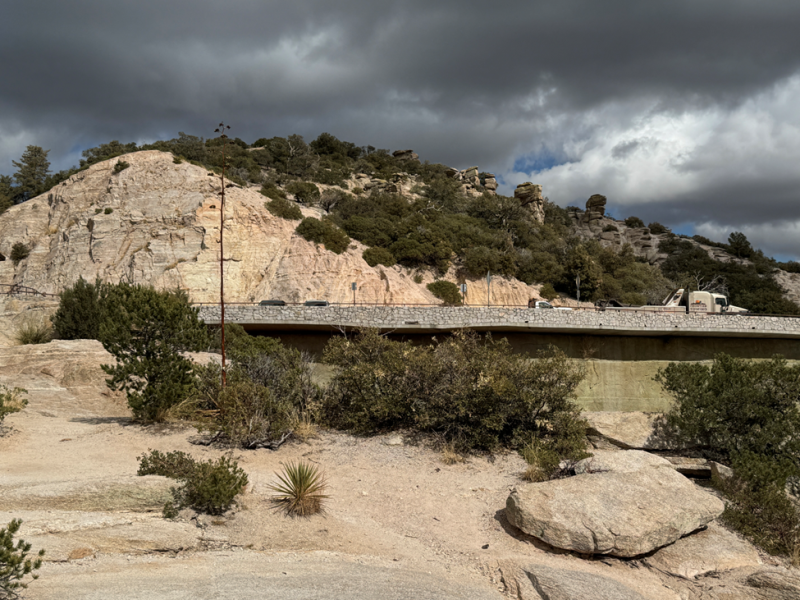
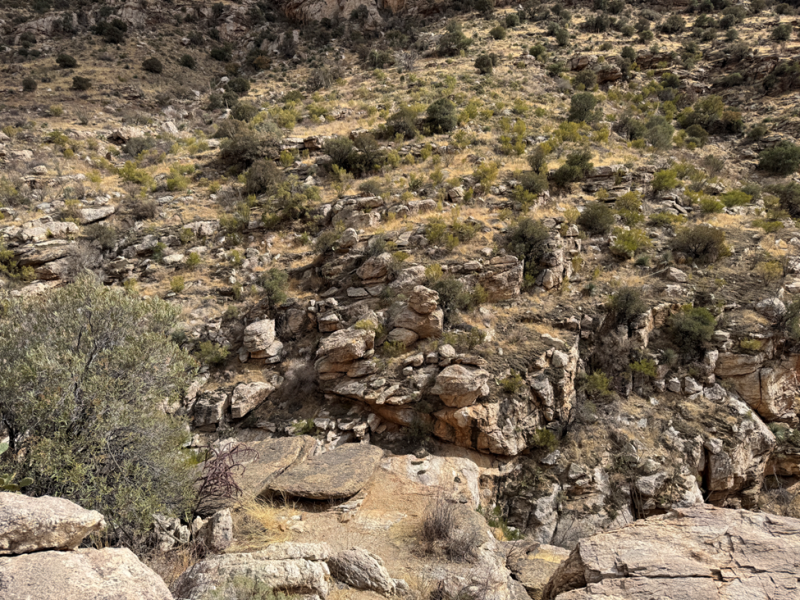
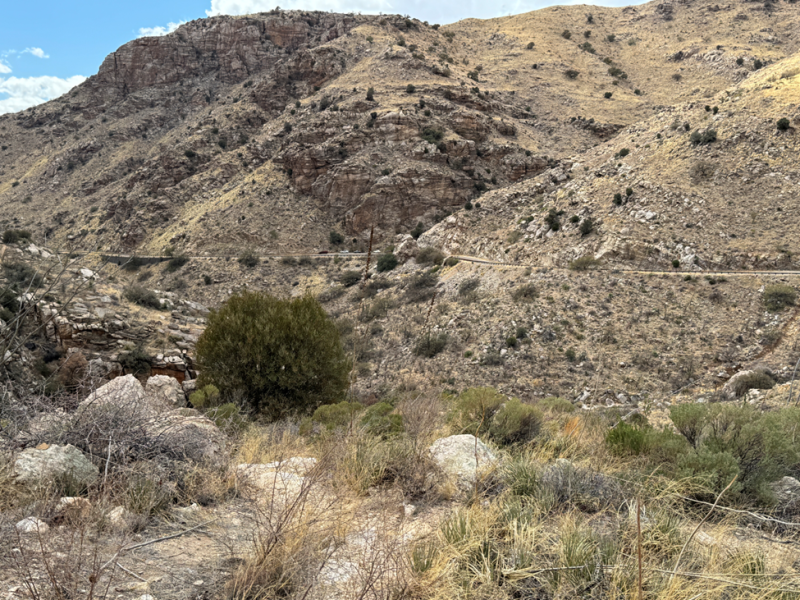
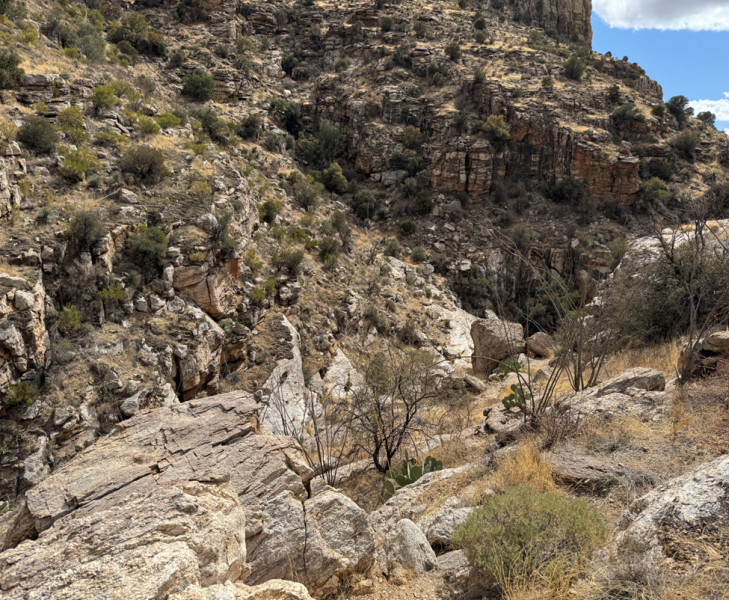
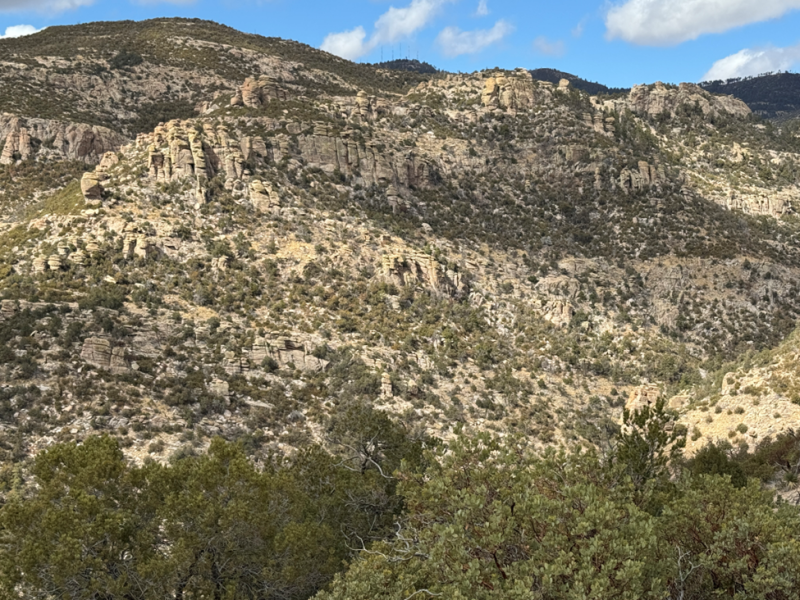
On the way down we drove behind a cyclist traveling at 25 MPH (40KPH). We both stopped at a lookout. He thanked me for giving him space and said that many motorists are not that considerate. I judged him to be in his early 50s, and he explained some of the challenges. When he starts riding at the bottom of the mountain, it is hot, and with all the perspiration, he cannot dress too warmly. However, when he gets to the top, he needs much warmer clothing. Coming down at faster speeds he needs protection against the wind. I asked if the cyclists were practicing for the Tour de France. He said no, and the participants were already in Europe getting ready for other races.
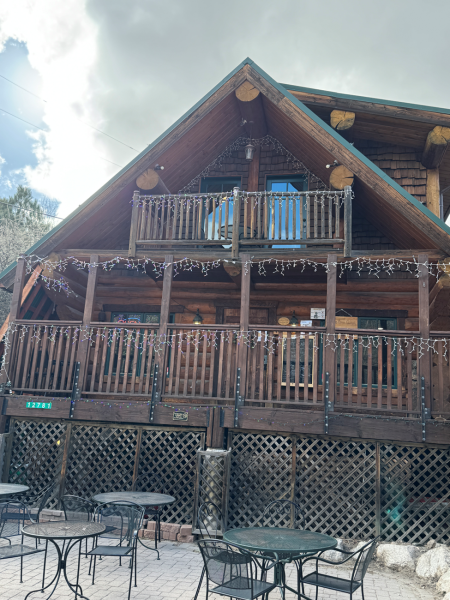
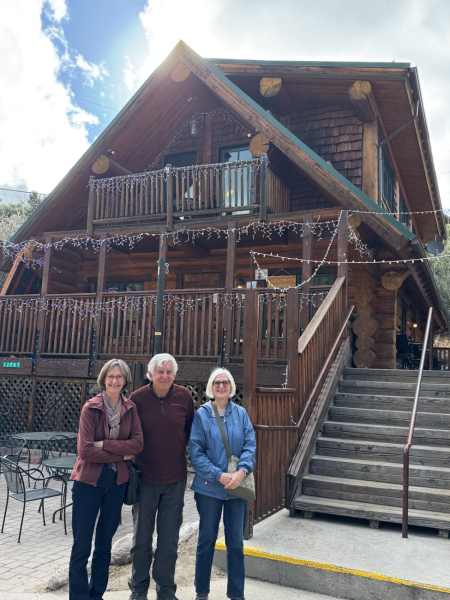
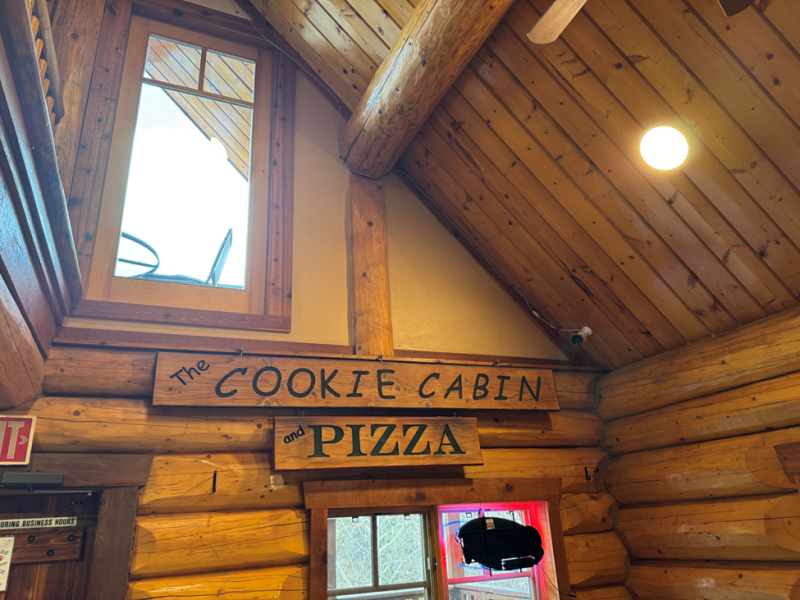
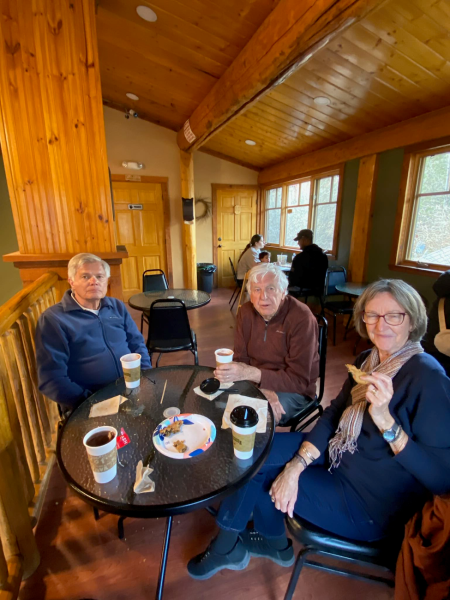

CABINS AND COOKIES, a cherished establishment that dates to its humble beginnings in 1990, was founded by the visionary Vic Zimmerman. What started as a cozy cookie shack and a few cabins for rent blossomed into something extraordinary. Our journey took an unexpected turn in 2003 when the devastating Aspen Fire ravaged Marshall Gulch, swiftly reaching Summerhaven on top of the mountain. Regrettably, our original building and properties were tragically lost. Yet, with indomitable spirit, we rose from the ashes and rebuilt our cabin by 2004, proudly rechristening it as the renowned Mt. LEMMON COOKIE CABIN. Witness the remarkable transformation as our new kitchen, now twice its original size, emerges. This expansion allowed us to reimagine our menu, introducing delightful surprises that will captivate your taste buds.
Driving the final stretch home called for a stop at the grocery store, and a need to refuel our hybrid rental car.
Friday, March 7, 2025
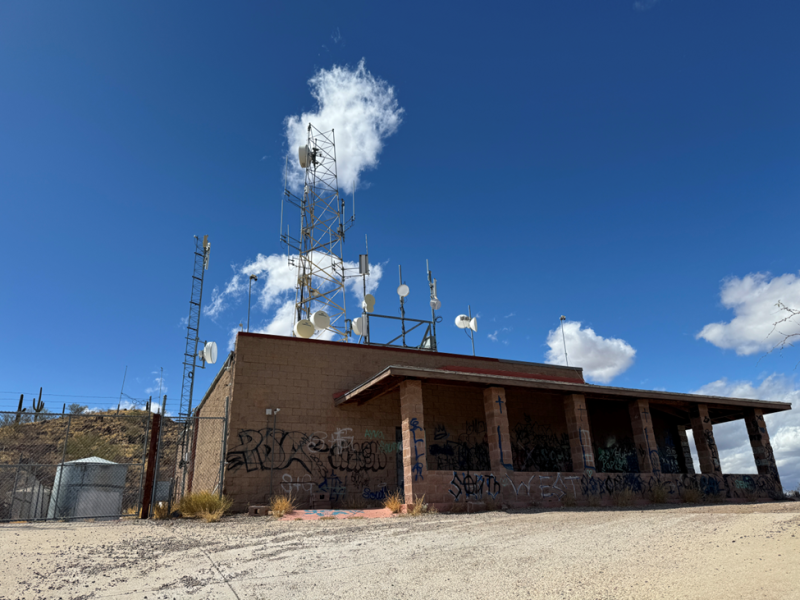
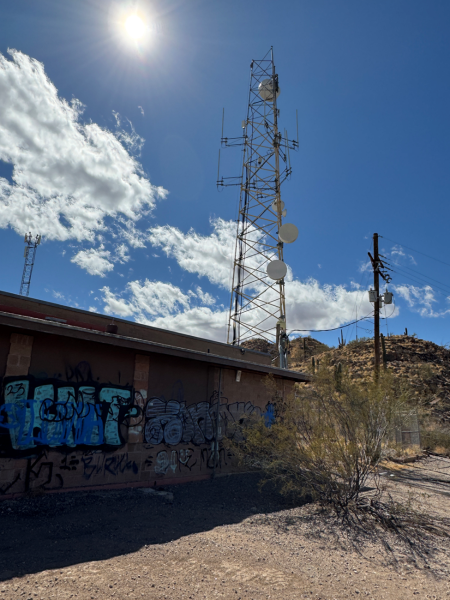
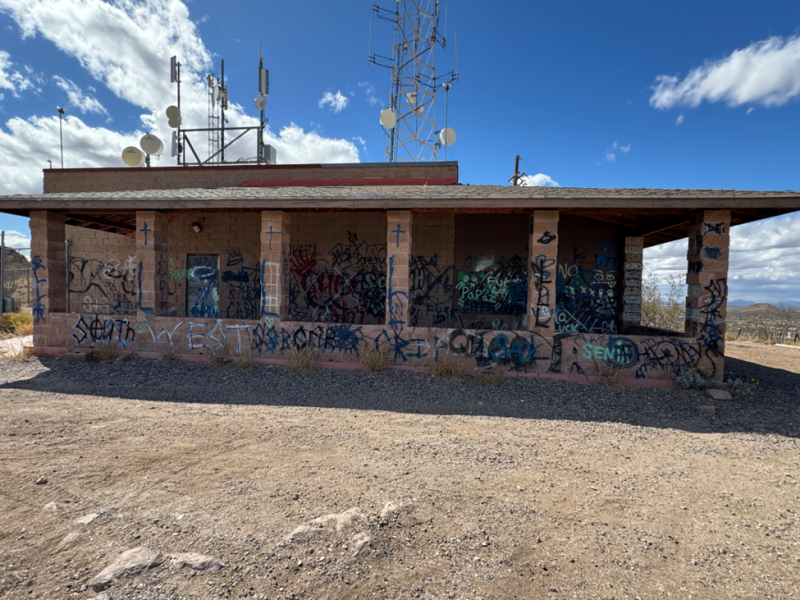
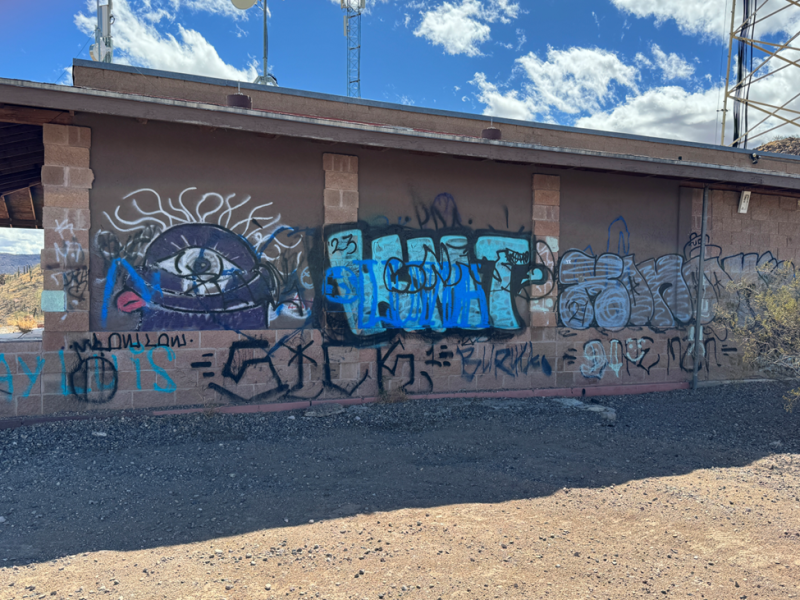
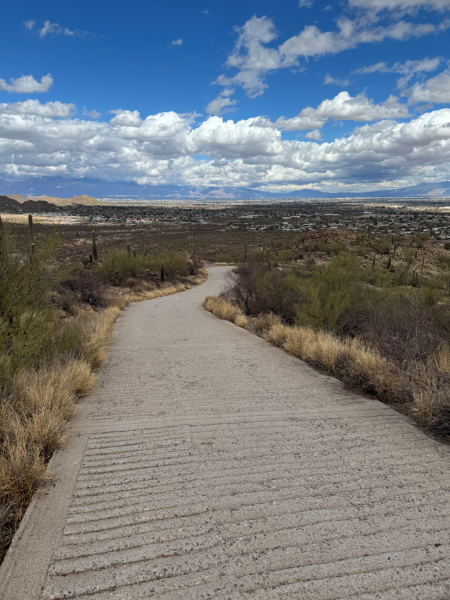
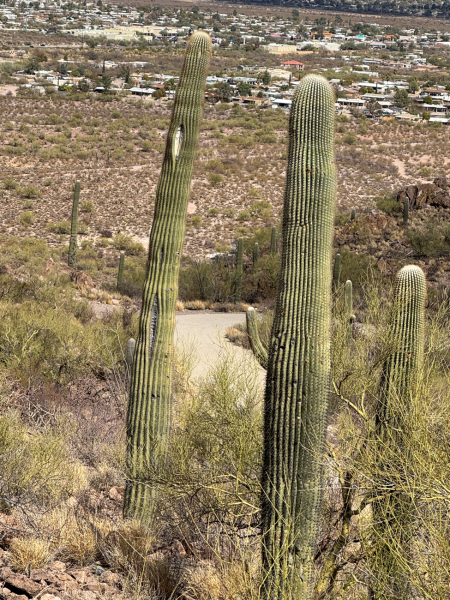
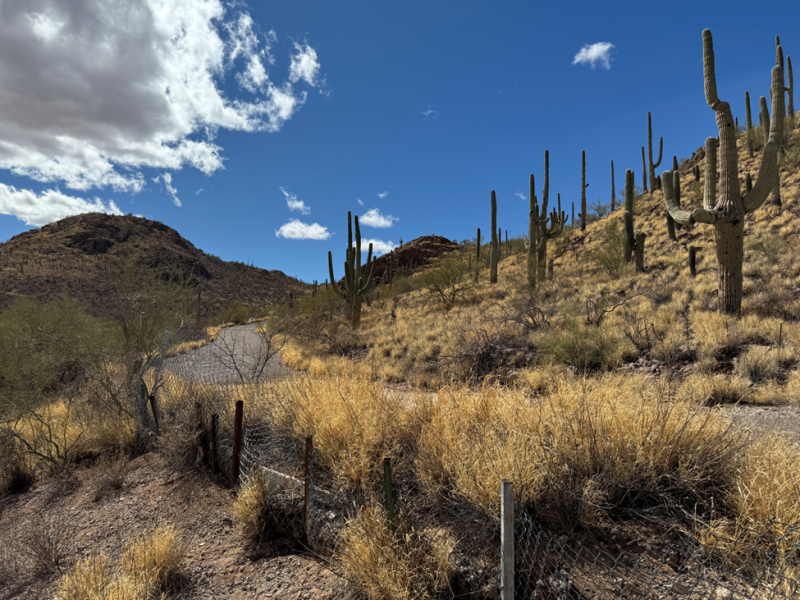
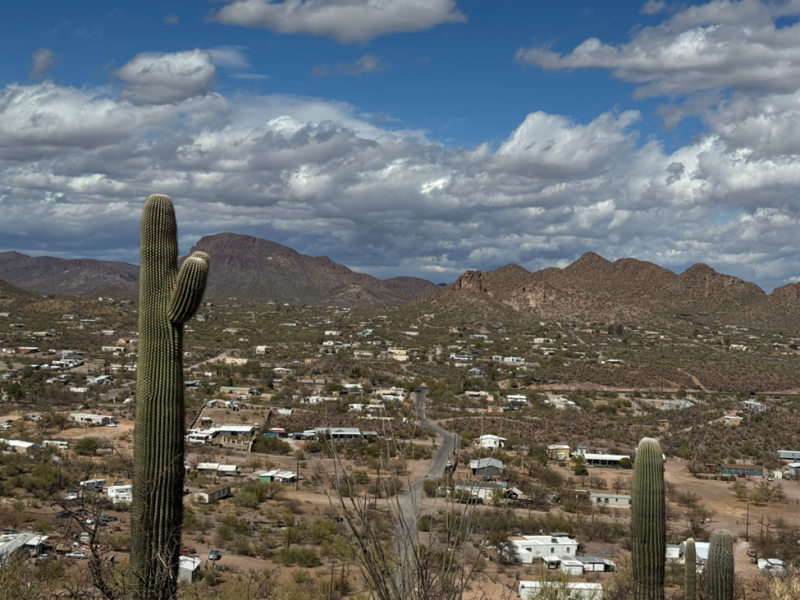
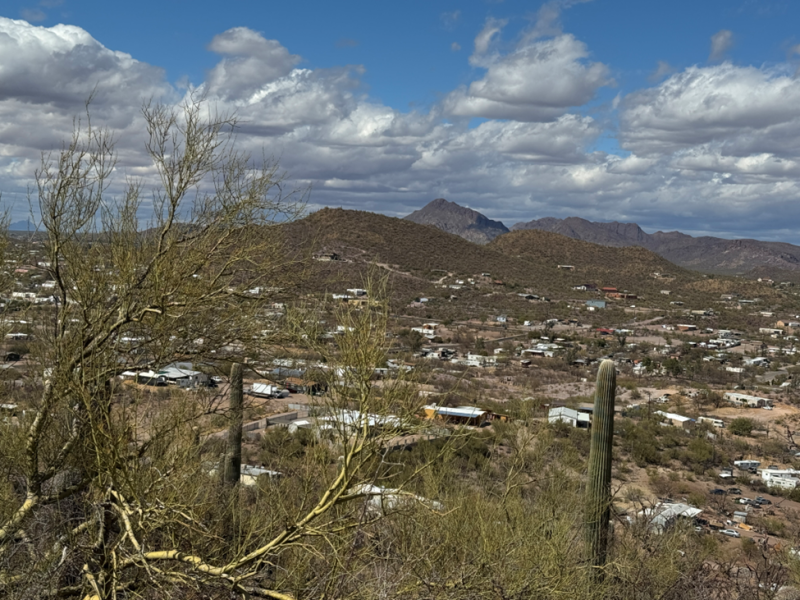
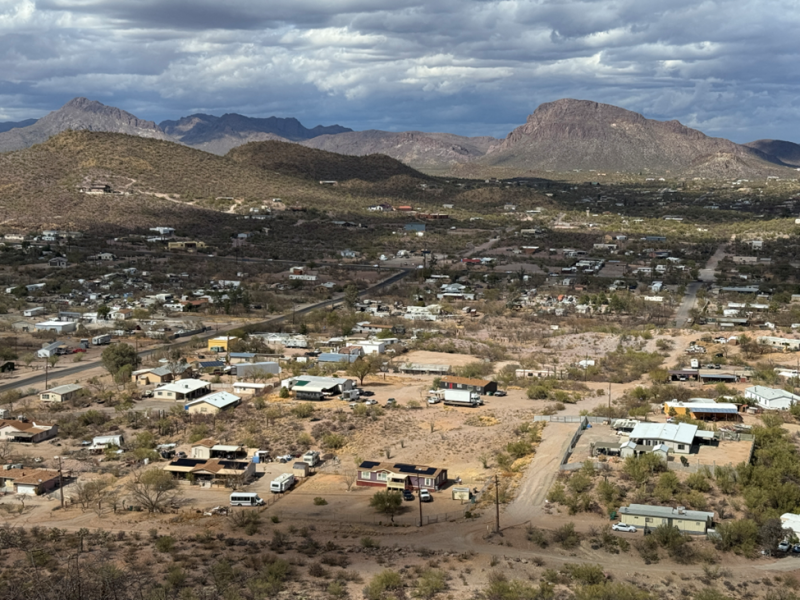
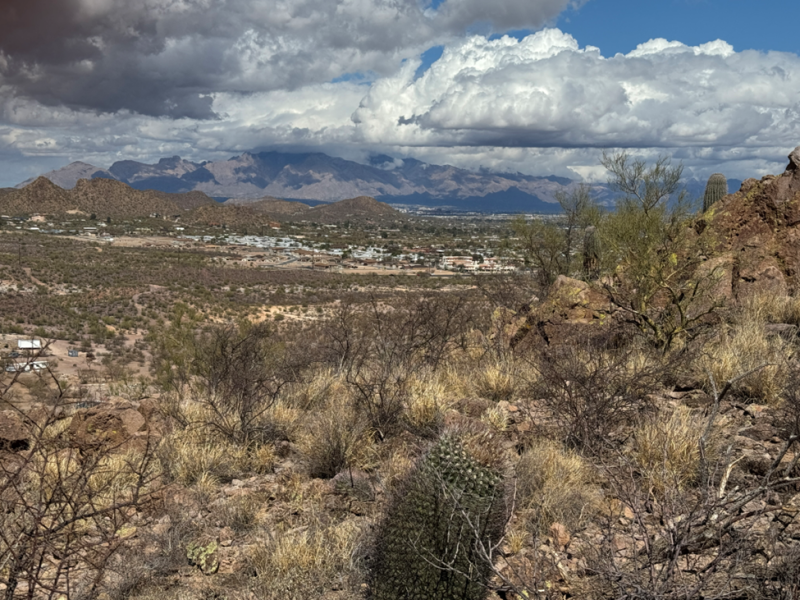
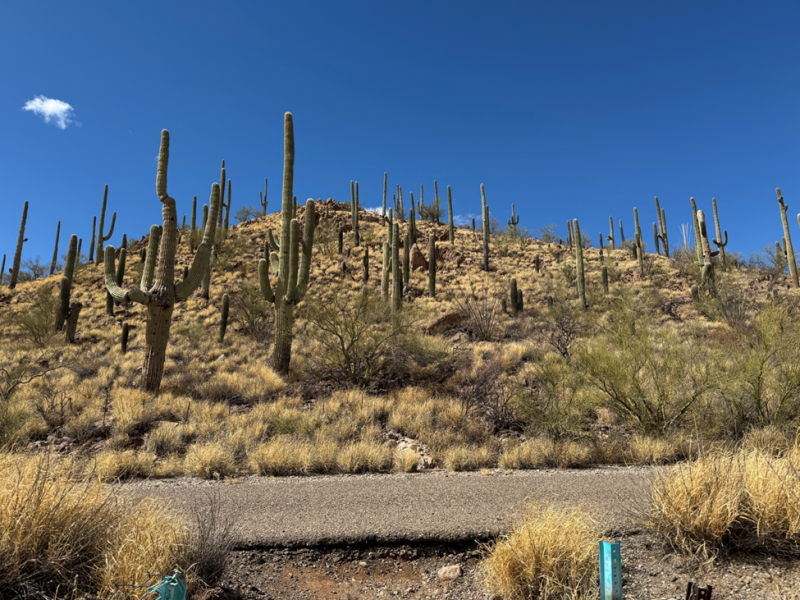
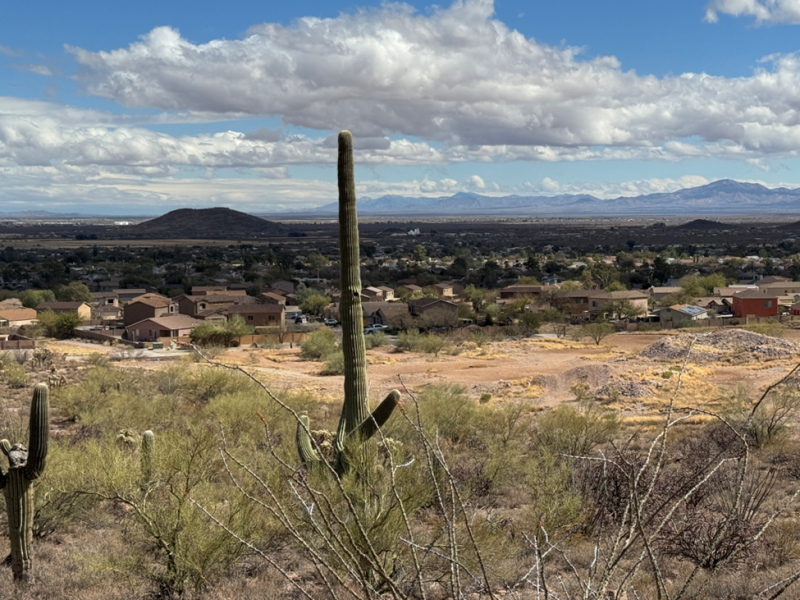
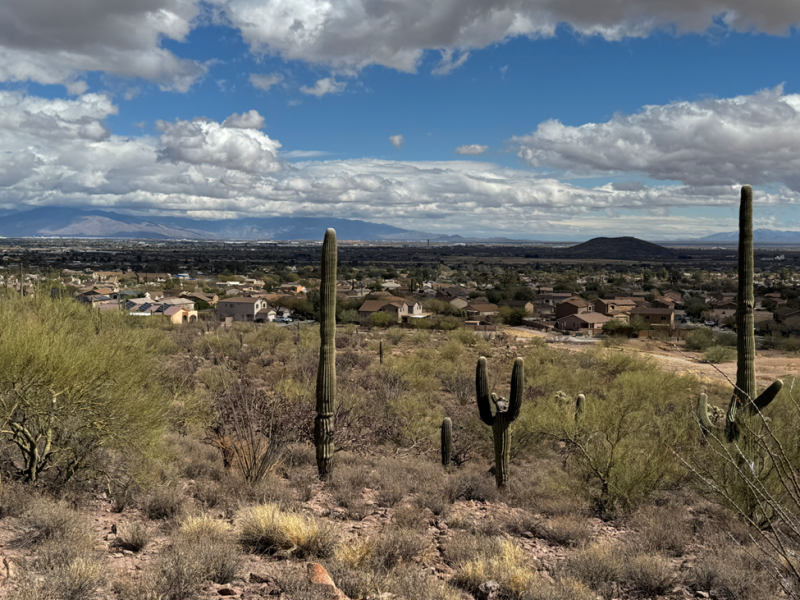
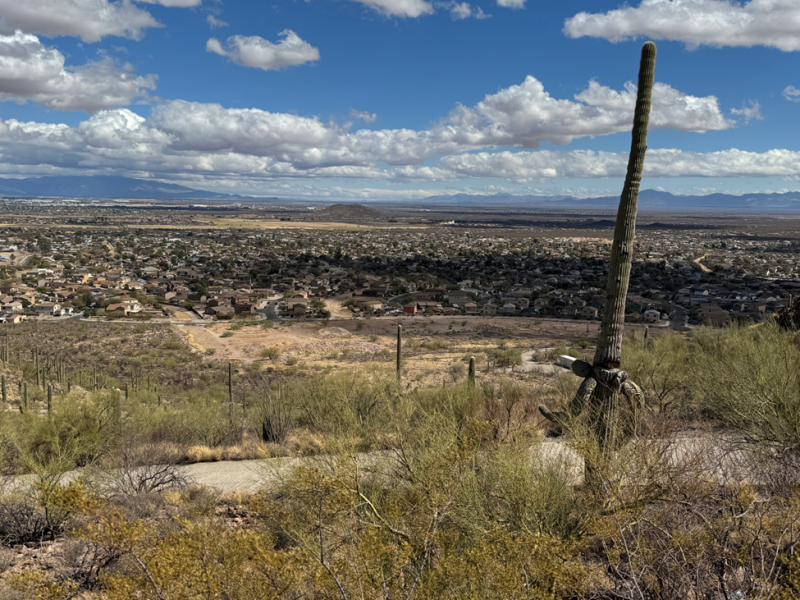

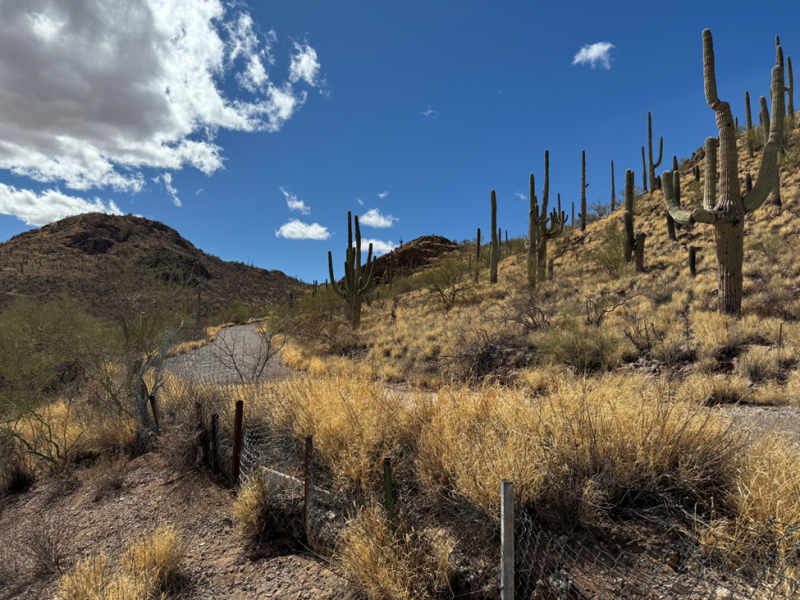
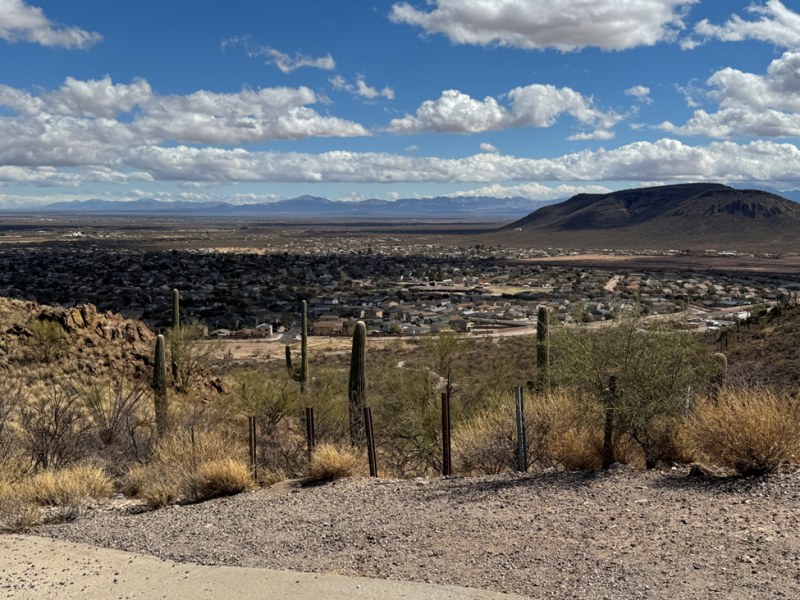
As you will see from the photographs, there is no shortage of graffiti on the buildings. Since we were at the top of the hill, the pictures show the surrounding communities on both sides of the hill. It amazed me to realize the effort to build a road up this hill to access this point, to build a facility, and service it from time to time. Electrical wiring is fed from the town below, and evidence of large propane cylinders that must be refilled, etc.
Saturday, March 8, 2025
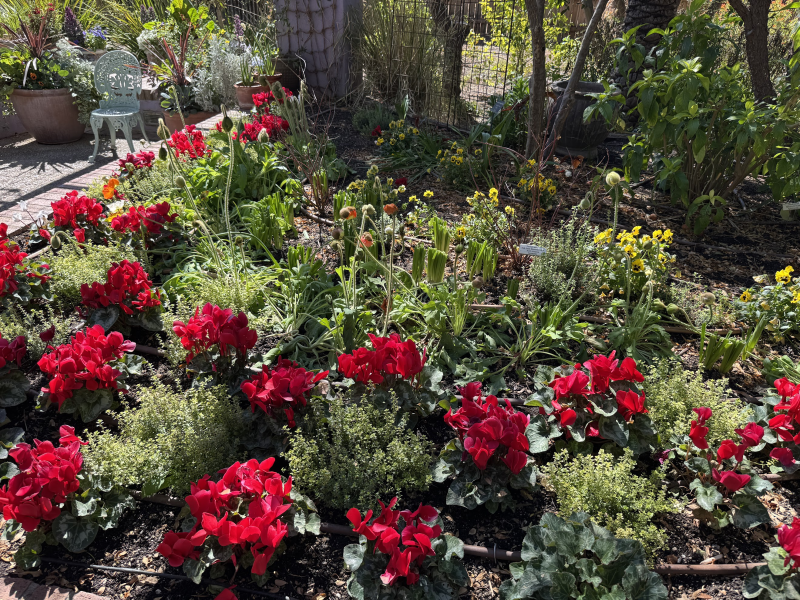
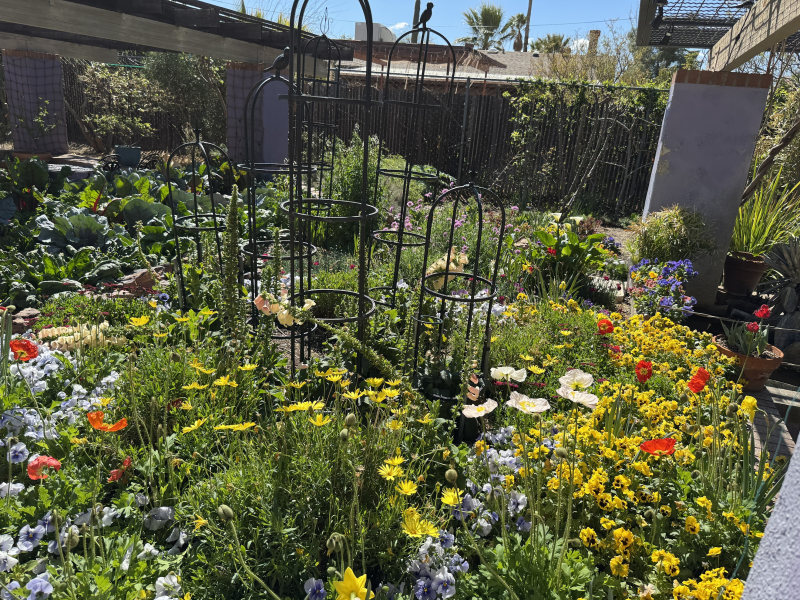
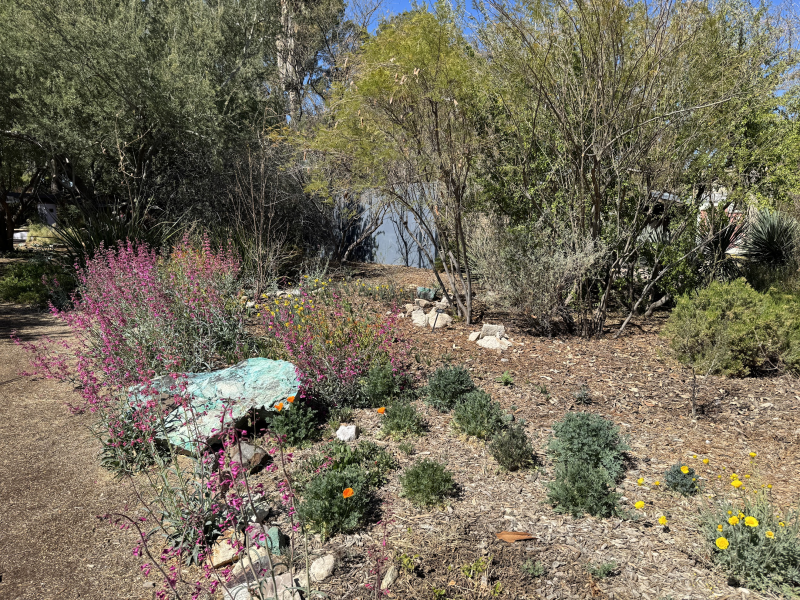
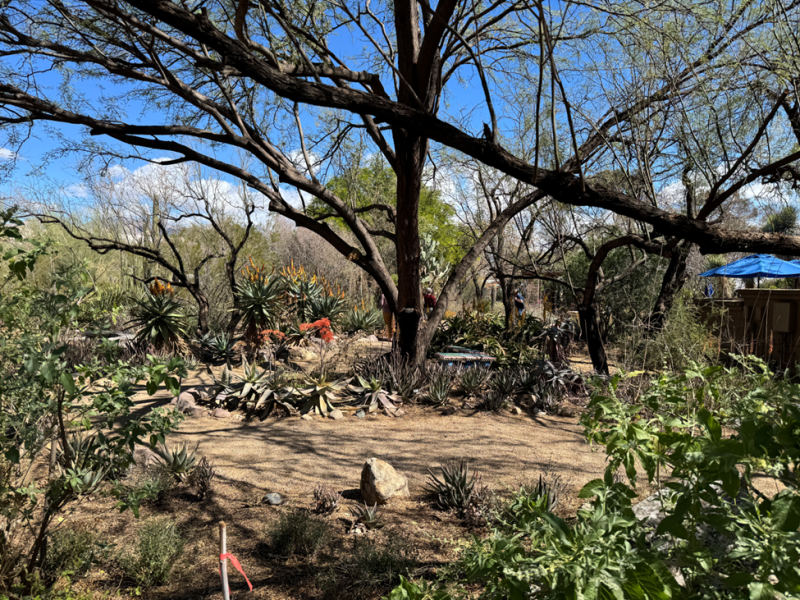
If I had taken photographs of all the species available, I would need a book and not a blog. But the few species above caught my eye.
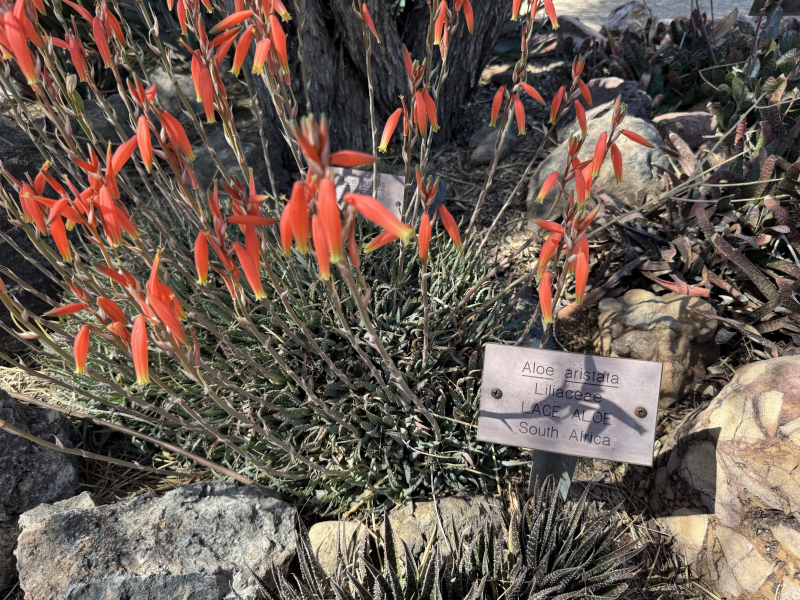
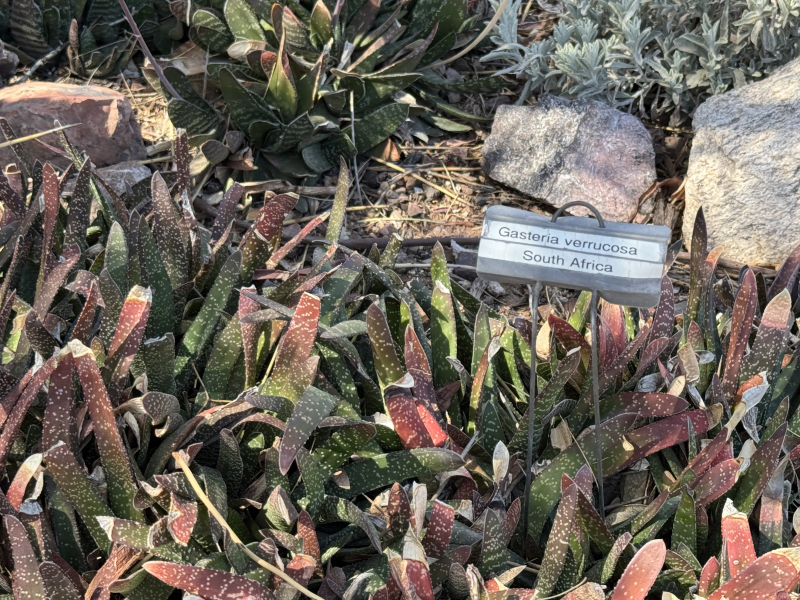
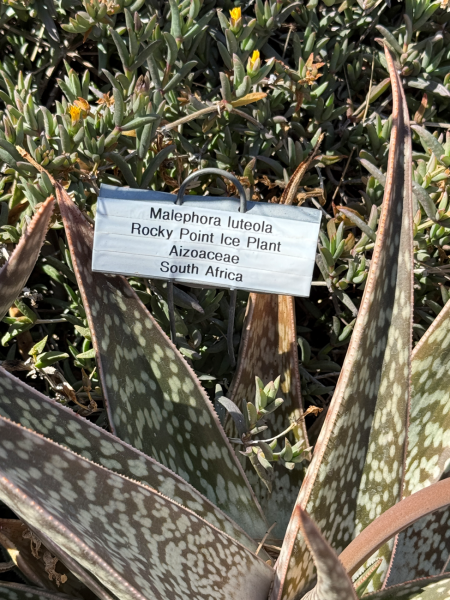
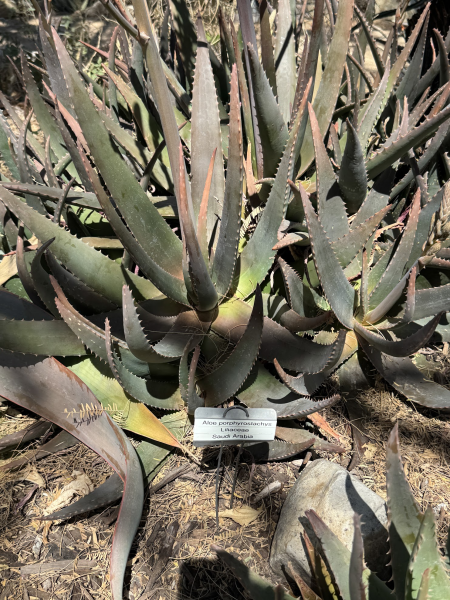
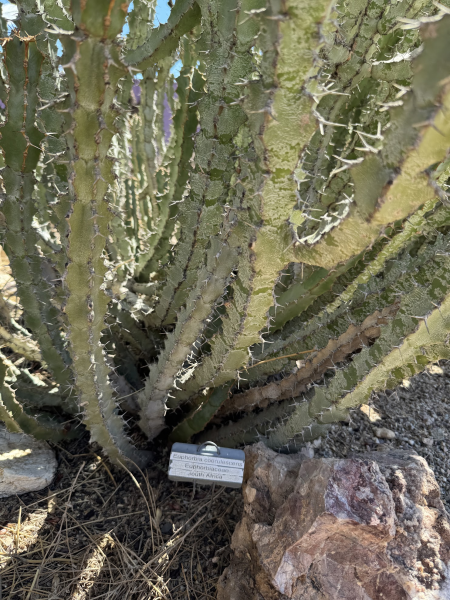
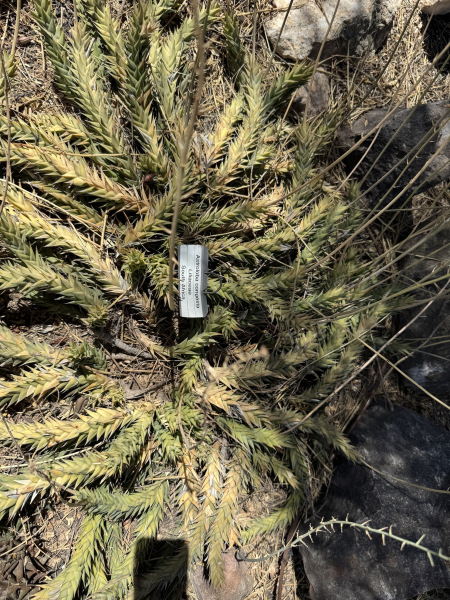
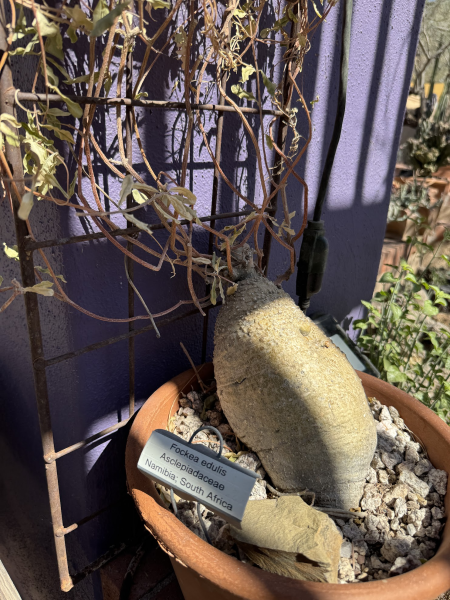
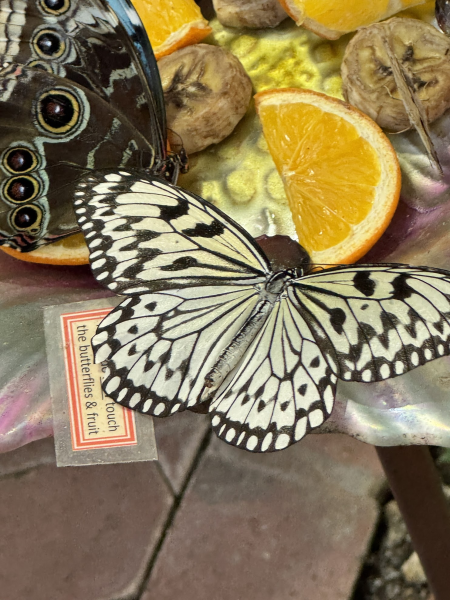


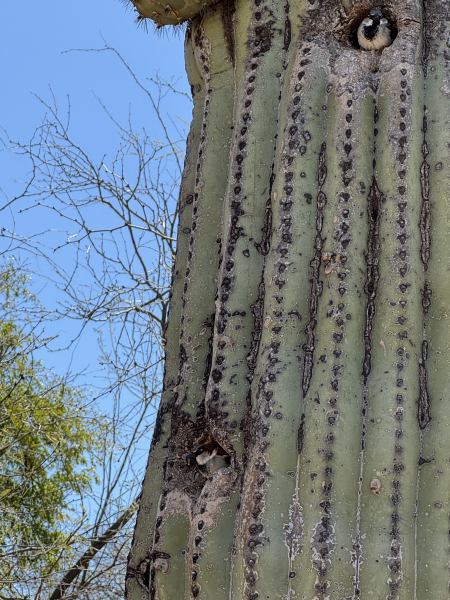
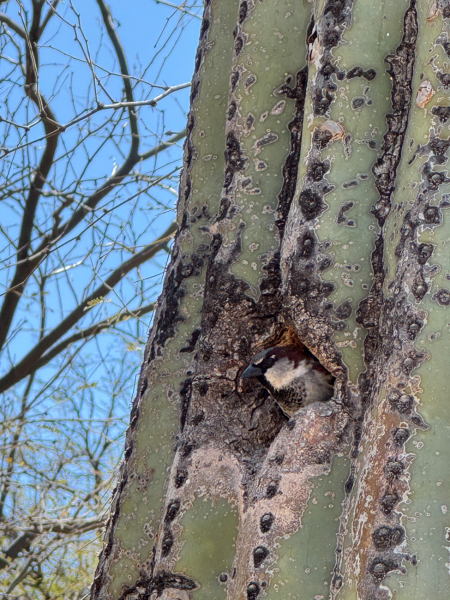
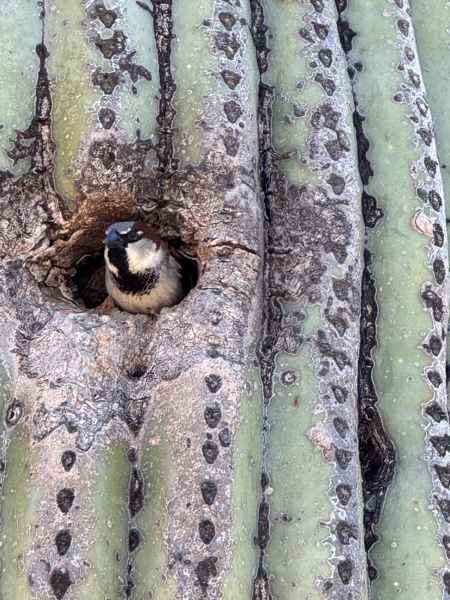
To round the excitement, we walked to the top of the cell phone tower again. It is strenuous exercise. Please check yesterday’s entry for photographs.
Sunday, March 9, 2025
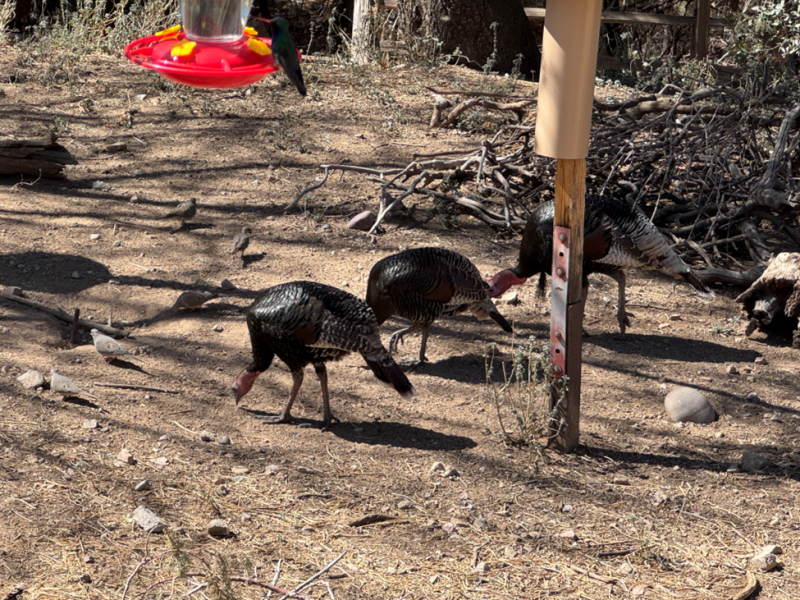
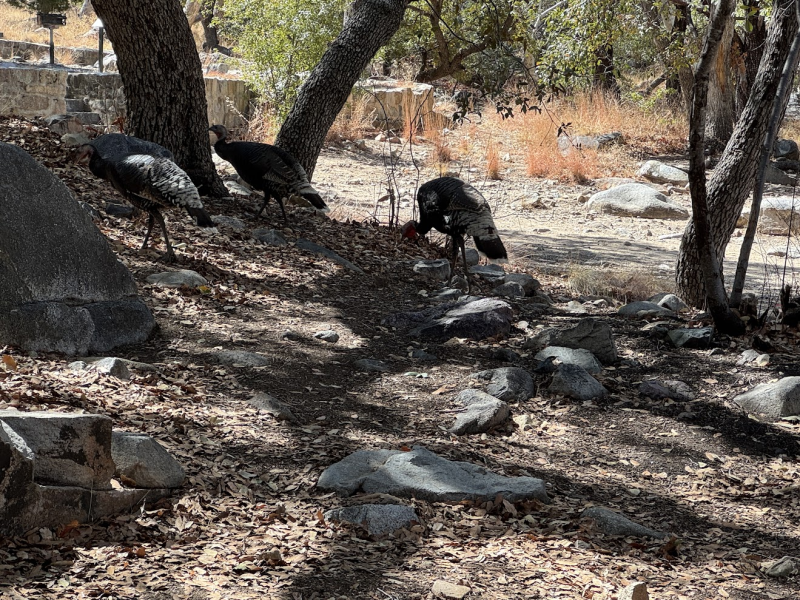

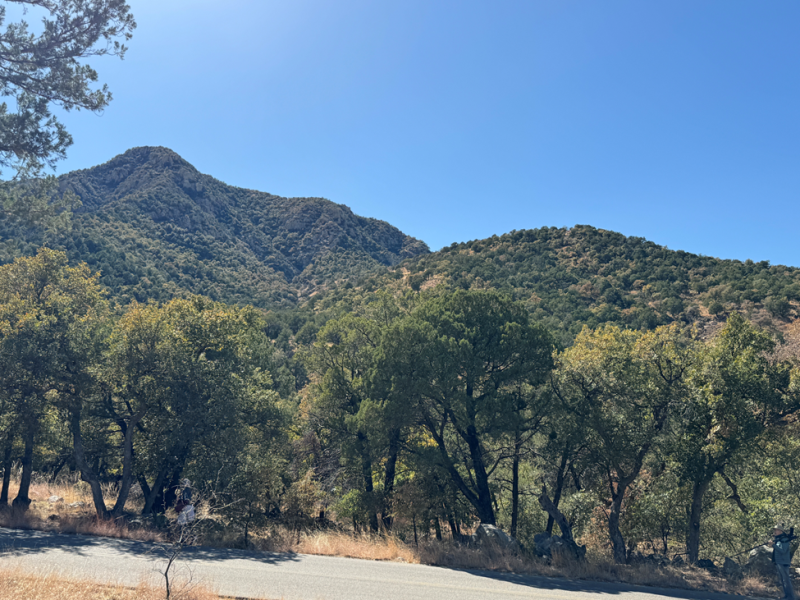
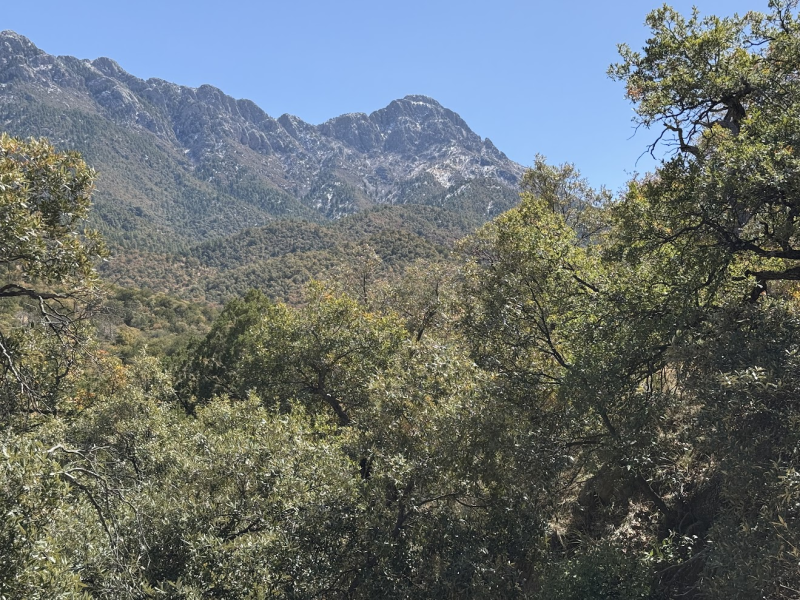

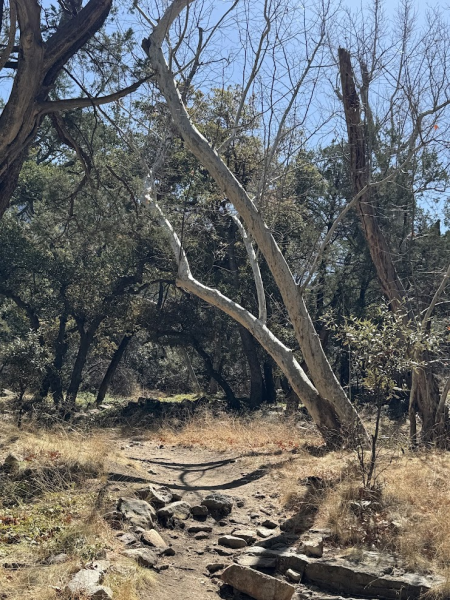
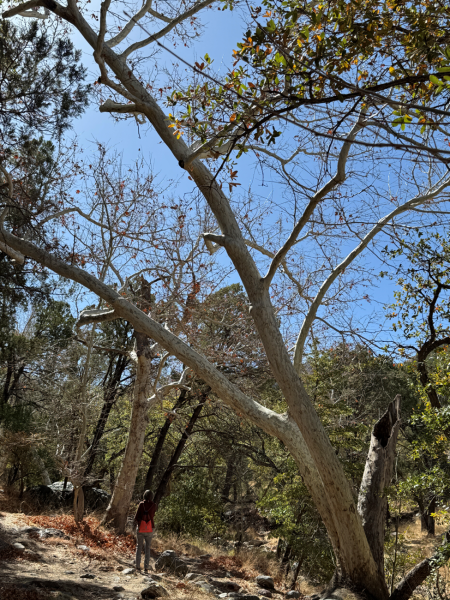
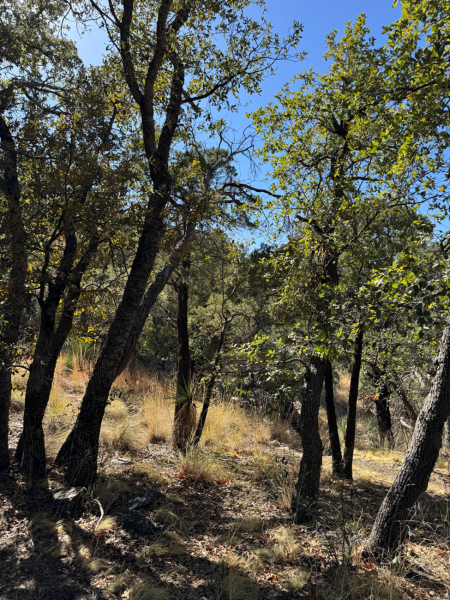
Monday, March 10, 2025
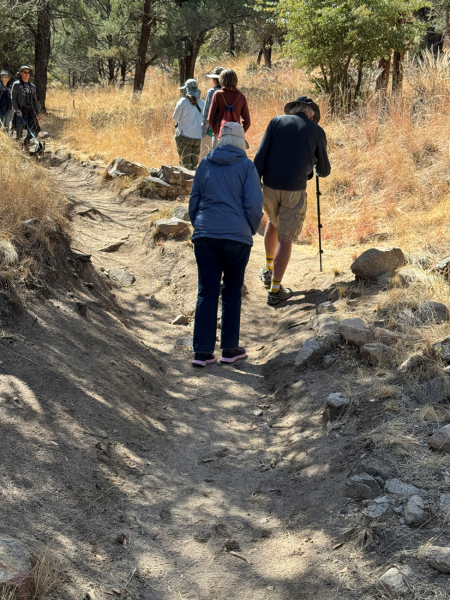
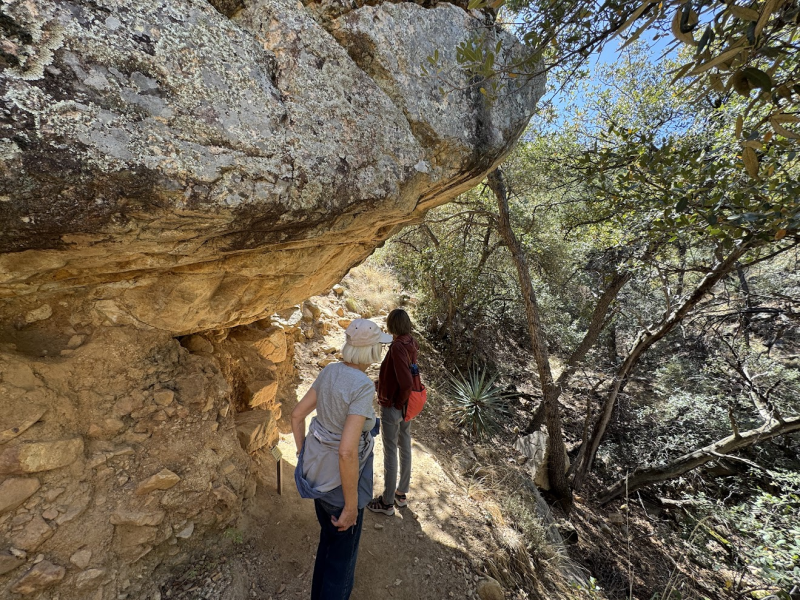
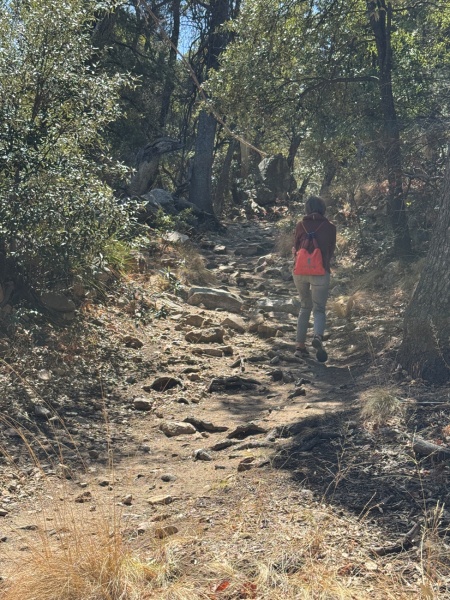
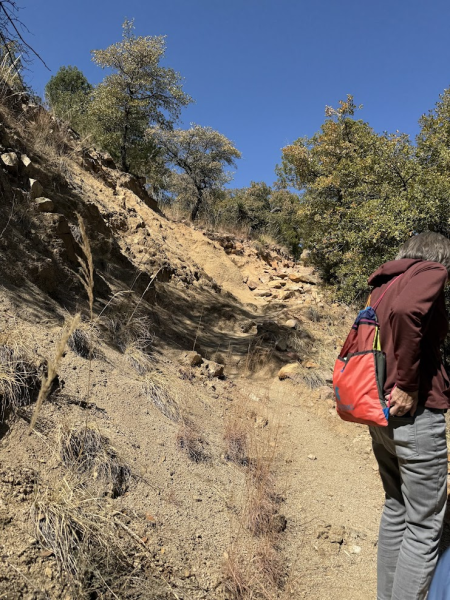
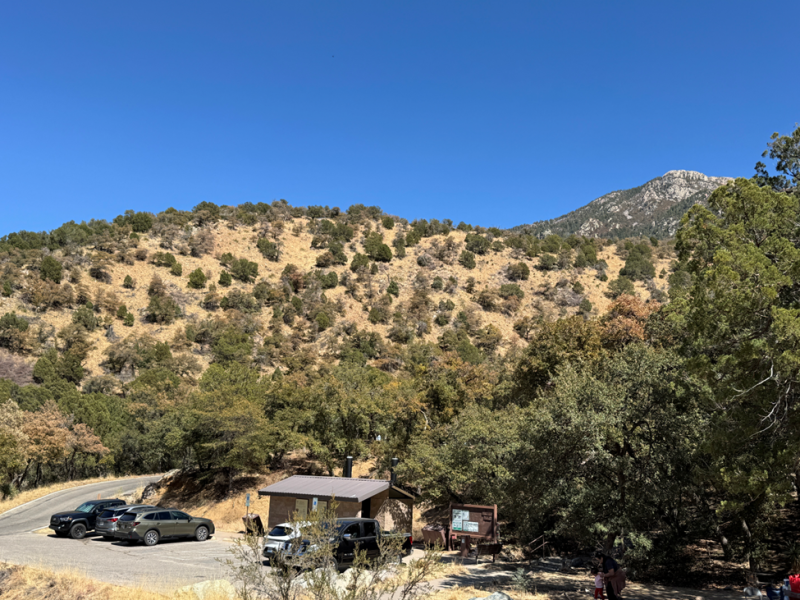
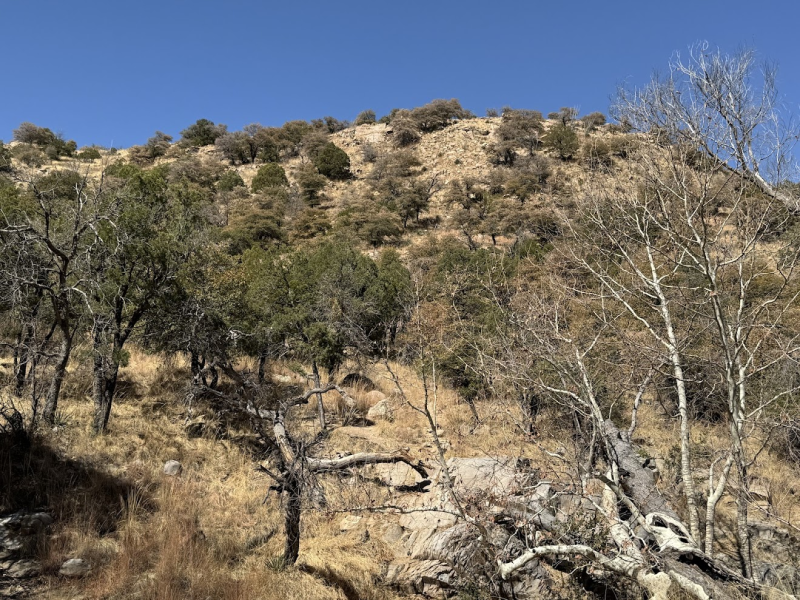
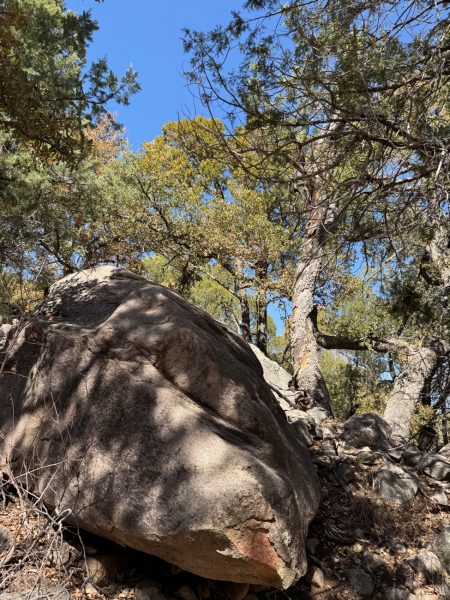
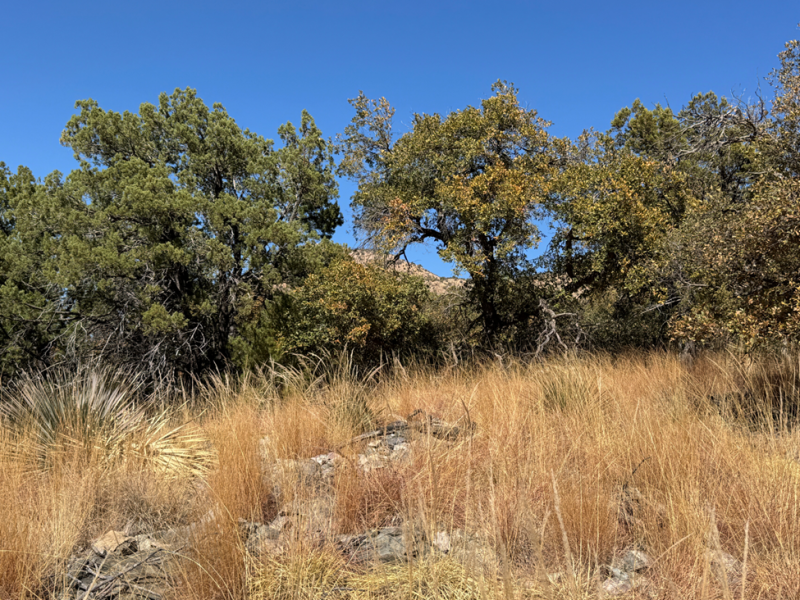
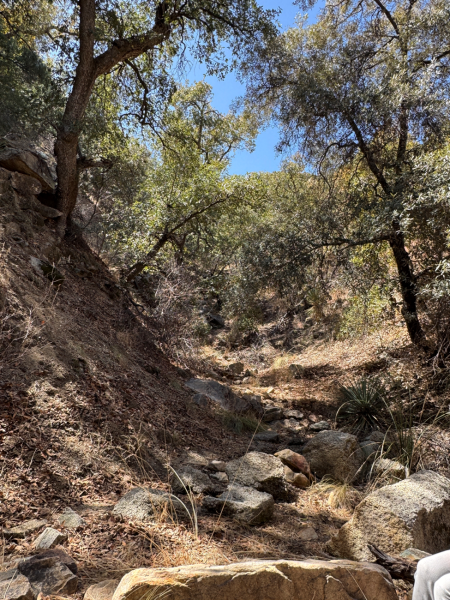
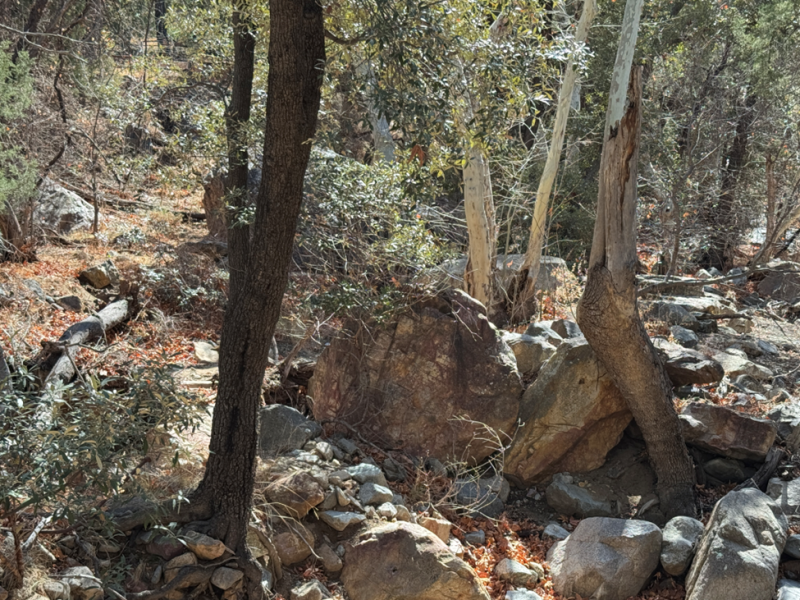
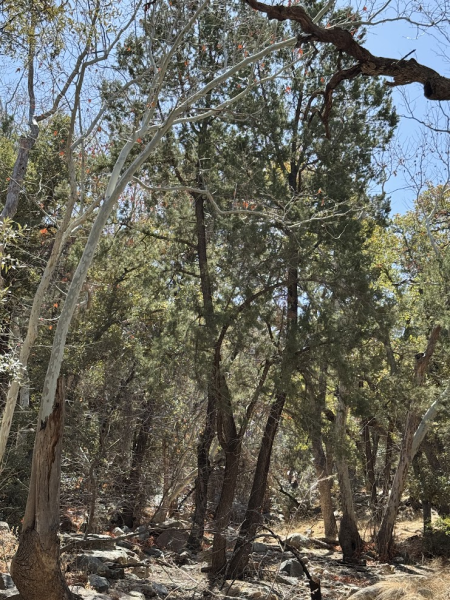
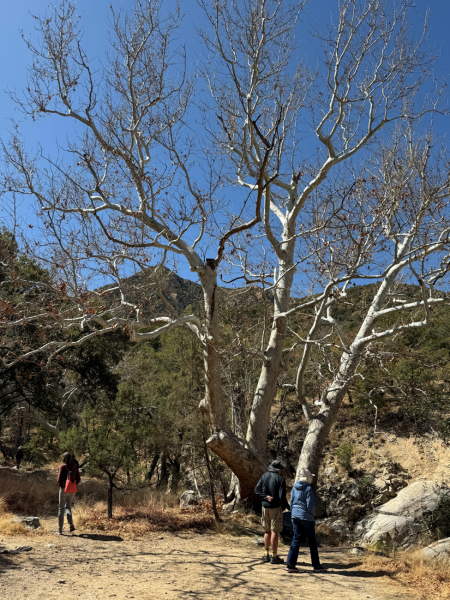
For our final drive and hike before returning home on Wednesday, we went to the Sabino Canyon in the Coronado National Forest, part of the Santa Catalina Range. More of the same magnificent scenery, easy and challenging paths to walk, and all a lovely day, the hottest one yet. Shortly after leaving the canyon, we stopped at the Arizona Pizza Company at the Sabino Canyon Plaza, to enjoy a delicious pizza. The next stop before getting to the Airbnb, was a small shopping spree at Safeway to purchase meat patties and rolls for Ken Brink to make us burgers for dinner.
I believe that I have set a lifetime record for the slowest I have ever walked one mile at 1MPH (1.6 KPH). Yes, these trails are challenging, and one needs to be careful not to injure oneself.
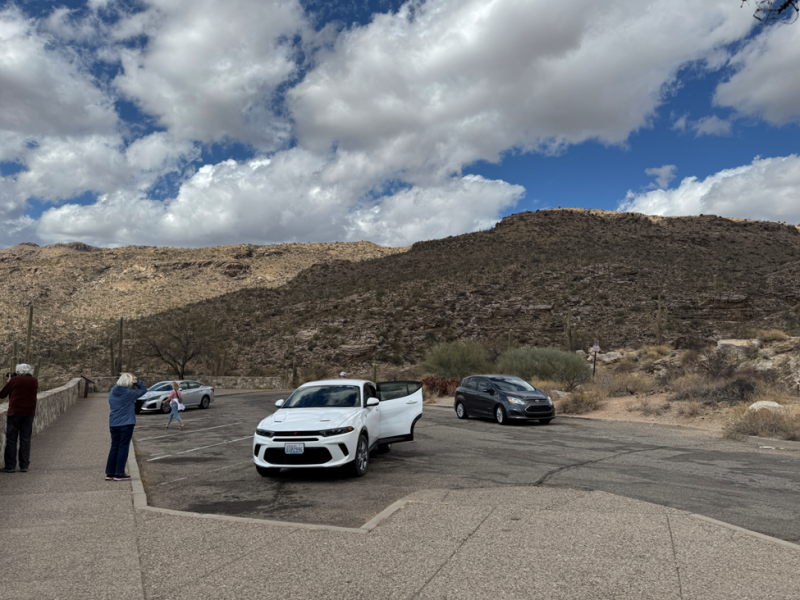
One interesting fact was that when we arrived at the canyon, there must have been about 100 cars in the parking area, and we had to drive around, up and down the rows to find an open spot—and remember this is a Monday and surprised to see so many families having fun at this resort.
Tuesday, March 11, 2025
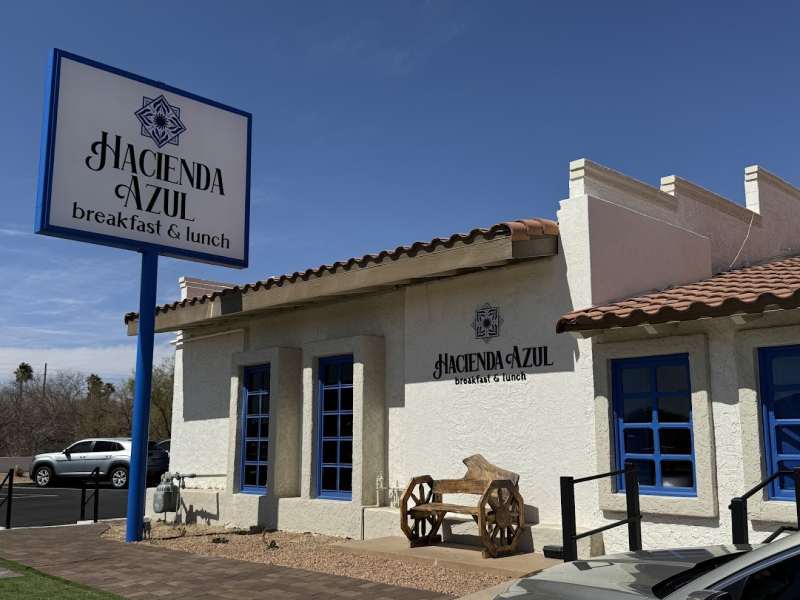
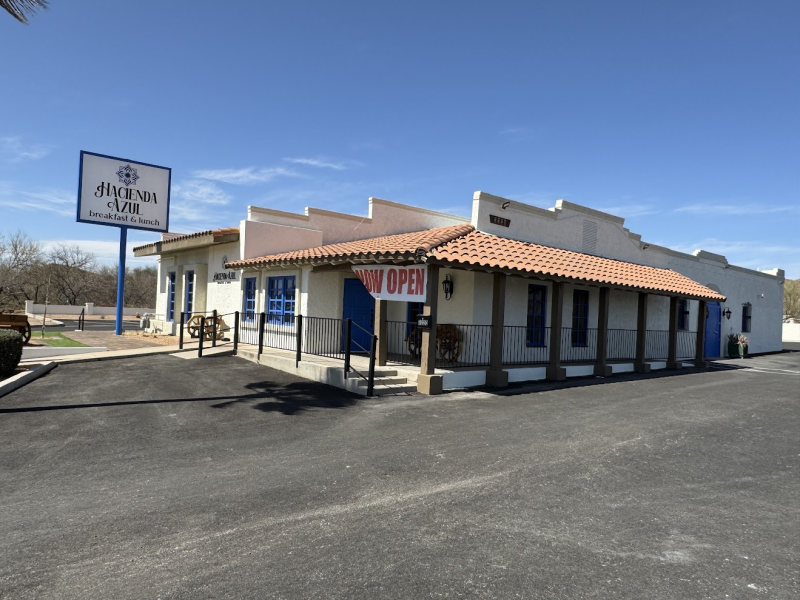
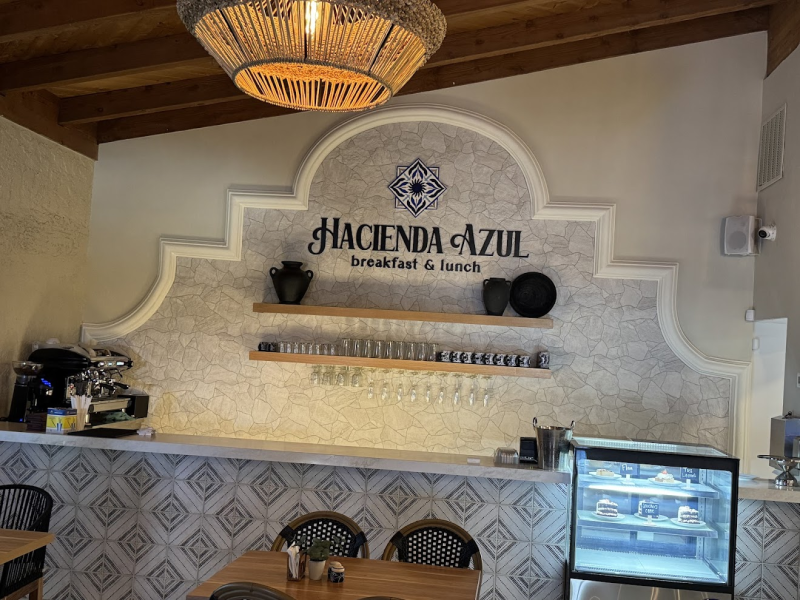
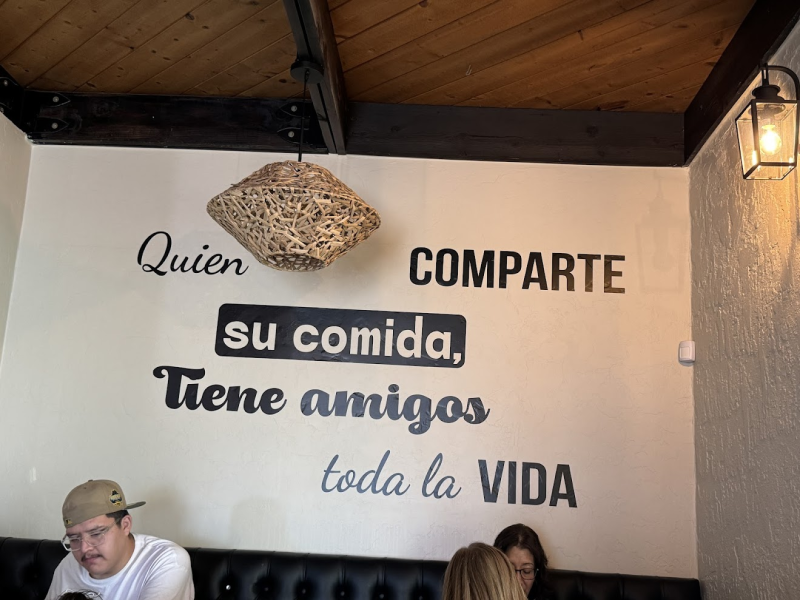
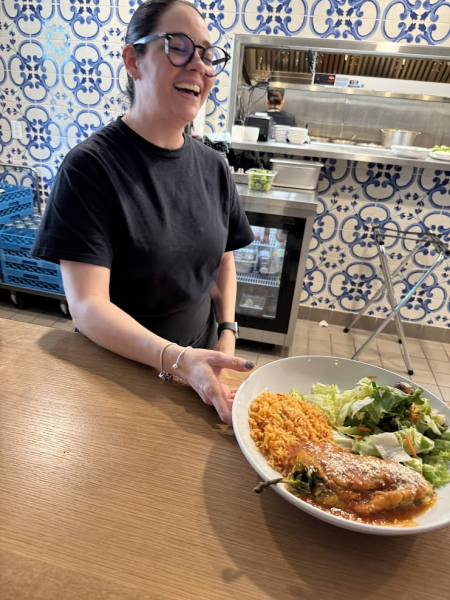
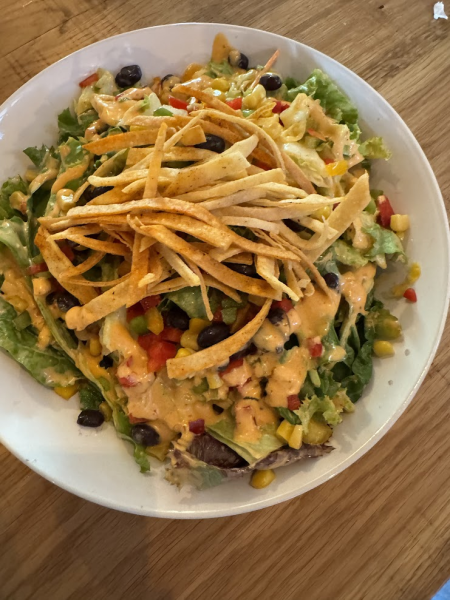
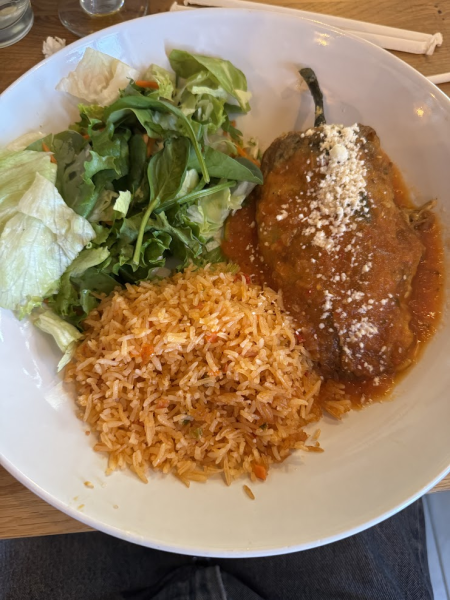
Afterward, we relaxed, packed, and prepared for tomorrow’s journey home.
Wednesday, March 12, 2025.
We planned to leave our Airbnb for the airport at 9:00 am, but we got away just after 8:00. The 20-minute drive to the airport was uneventful, and we handed our Avis vehicle in and made our way to the Delta checked, handed in our luggage, and proceeded through airport security using the TSA (Transportation Security Administration) line without any incidence.
Being early, we had to wait for the Delta agent as we had arrived before their opening time. We bought a coffee and treat to wait for our departure to Salt Lake City. Our seats were in row 15, and we thought that it would be near the front, but on this SkyWest Embraer 175 commuter flight it was a small plane, and we were positioned near the back. Arriving in Salt Lake City, with the airport situated between mountains, we were not surprised to have some turbulence, a situation we experienced on other flights into this airport. Seeing the snow in the mountains was a special treat.
This is a magnificent airport, and if only all airports in America were this impressive. The planned layover was for 3 hours, but with our flight delayed by a plane from Long Beach, California, it turned into a 4-hour delay. We were not at all unhappy except for the fact that Sean had promised to meet us in Milwaukee to take us home, and this resulted in him being out later than expected. We had lunch at California Pizza, a restaurant that we had dined at on a previous visit. As always, the food was excellent. I decided to spoil myself and buy an ice cream in a waffle cone, but it turned out to be a disappointment as it was tasteless.
The flight home was on an Airbus A319 without incident, arriving at a quiet airport and quickly gathered our luggage with Sean waiting for us outside the terminal door, and we made our way home in short order. Ultimately, we went to bed at midnight after unpacking our luggage. To be honest it was great to sleep in our own beds after a great vacation.
On reflection, I have been flying on commercial flights for the past 60 years, both regionally and on international flights. The story in the press recently is making this a scary proposition what with aircraft landing upside down, planes colliding with most passengers reported killed, a woman stripping naked on a flight and running up and down the aisles screaming, a passenger beating up a flight attendant, and other unbelievable and frightening stories. I can only say that with our four flights, we did not have any incidents. The opportunity to escape the cold of Wisconsin for the warmth of Arizona was a plus, and the Airbnb being a magnificent home was a special treat. Our time in Tucson to go hiking and walking in different places made for a very enjoyable fortnight, and to arrive back home to warm weather was the cherry on top.
This vacation was special in another aspect. It is rare that we park ourselves in one spot for two weeks and tour around the area to get to know it well. This was truly a fun experience with many positive memories.
We had a wonderful vacation, and spending this with Ken and Jennifer Brink made it extra special. Back in our familiar surroundings of New Berlin, Wisconsin, in our condominium our home for the past seventeen years, sleeping in our beds, and driving our Subaru Forester felt like luxury after the rental car. And so, we get to the end of another delightful traveling adventure. Thank you for reading.